
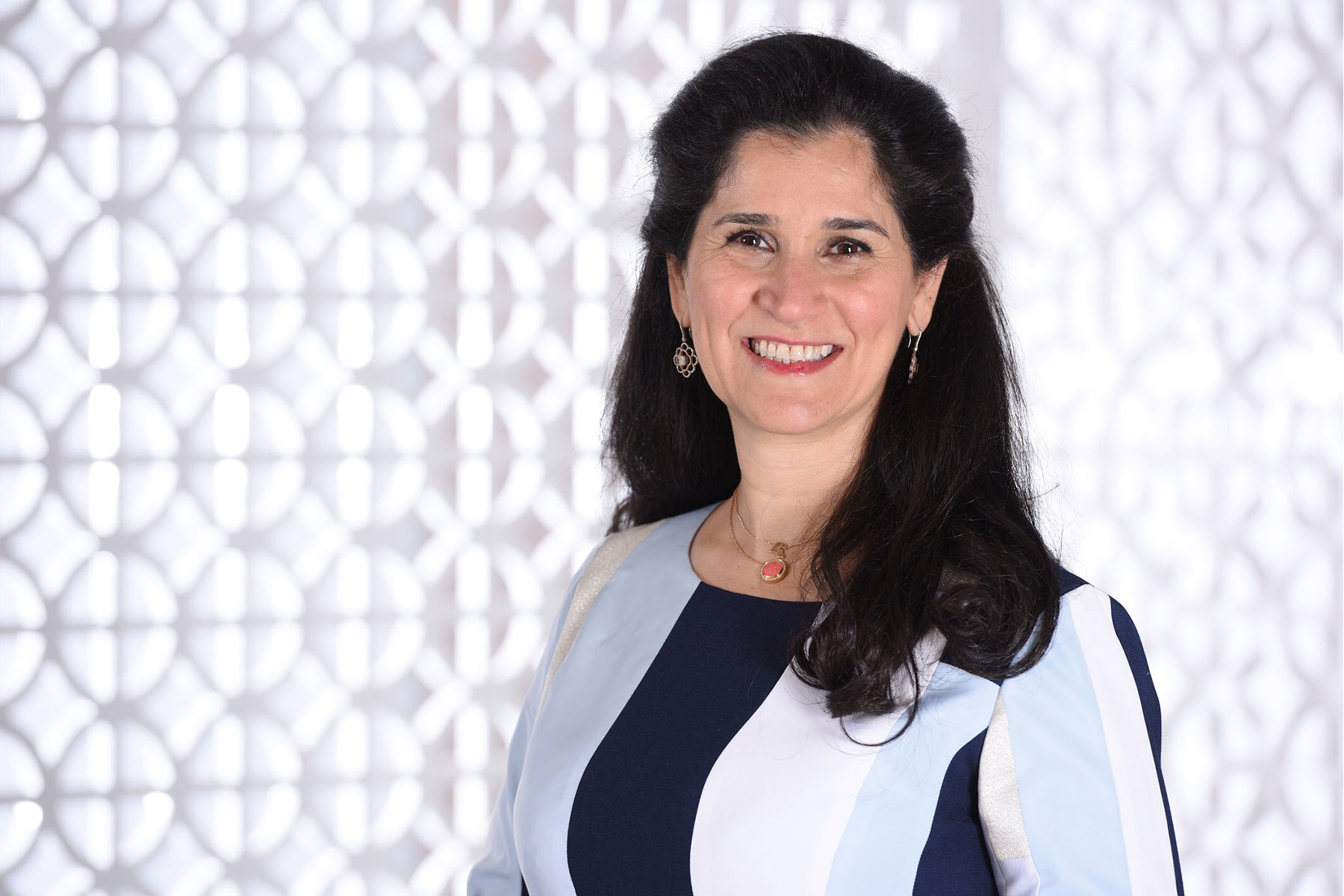
love4livi.com – Sheikha Intisar Al Sabah, a prominent member of the Kuwaiti royal family, is renowned not only for her royal heritage but also for her profound contributions to philanthropy and mental health advocacy. As a visionary leader, she has made significant strides in raising awareness about mental health issues and promoting well-being in Kuwait and the broader Gulf region. Through her work, Sheikha Intisar has challenged societal stigmas, advocating for the importance of mental health support and creating initiatives that aim to improve the lives of those affected by mental health challenges.
Early Life and Royal Background
Born into the prestigious Al Sabah family, Sheikha Intisar is a member of Kuwait’s ruling family, which has a long history of leadership and public service. The Al Sabah family has been the ruling family of Kuwait since the 18th century, and Sheikha Intisar, as part of this influential family, grew up with a deep understanding of the responsibilities and privileges that come with royal status.
From an early age, Sheikha Intisar was exposed to the values of service and charity, which are deeply ingrained in the Kuwaiti royal family’s approach to governance. Her upbringing, along with her education and exposure to global issues, has fueled her passion for social causes, particularly those related to health and mental well-being.
Advocacy for Mental Health
One of Sheikha Intisar’s most significant contributions to Kuwaiti society is her advocacy for mental health awareness. Mental health has long been a taboo subject in many parts of the Middle East, including the Gulf region, where societal stigmas often prevent open discussions about emotional well-being and psychological disorders. However, Sheikha Intisar has taken a proactive role in breaking these barriers, using her position and influence to encourage dialogue on mental health issues.
In 2018, Sheikha Intisar founded the Intisar Foundation, a charitable organization dedicated to promoting mental health awareness and supporting those suffering from mental illnesses. Through the foundation, she has spearheaded various initiatives aimed at providing mental health support and education to the public. The foundation works to reduce the stigma surrounding mental health by facilitating open conversations and offering resources for individuals struggling with emotional challenges.
Sheikha Intisar’s efforts have included partnerships with mental health professionals, social workers, and community leaders to create a more supportive environment for those with mental health concerns. Her advocacy extends to schools, workplaces, and communities, where she encourages people to prioritize mental health and seek professional help when needed.
Philanthropy and Social Responsibility
In addition to her work in mental health, Sheikha Intisar is known for her broader philanthropic efforts. She has made significant contributions to education, healthcare, and humanitarian causes, both in Kuwait and internationally. Her philanthropic endeavors reflect her commitment to improving the lives of marginalized populations and addressing societal issues that often go overlooked.
Sheikha Intisar has been actively involved in supporting various charitable organizations, both in Kuwait and abroad, that focus on children’s education, poverty alleviation, and healthcare access. Her work has led to collaborations with international NGOs and government agencies to create sustainable solutions for people in need.
Through her foundation and other initiatives, Sheikha Intisar has helped raise funds for medical research, provided scholarships for underprivileged students, and funded projects aimed at improving the lives of vulnerable communities. Her charitable work, combined with her advocacy for mental health, has earned her widespread respect and admiration in the Gulf region and beyond.
Breaking the Stigma Around Mental Health in the Arab World
Sheikha Intisar’s advocacy for mental health is particularly impactful in the context of the Arab world, where mental health issues have historically been marginalized. In many societies, mental health is often misunderstood, and individuals suffering from psychological disorders face stigma, discrimination, and a lack of access to adequate care. Sheikha Intisar has been a vocal advocate for the need to reform mental health policies, provide access to mental health resources, and raise awareness about the importance of emotional well-being.
Her efforts have contributed to a growing movement within the Gulf region to address mental health challenges in a more compassionate and supportive way. By leveraging her royal status and philanthropic platform, Sheikha Intisar has worked to create lasting change in how mental health is perceived and treated in Kuwait and other parts of the Middle East.
Empowering Women and Promoting Gender Equality
Sheikha Intisar is also a strong advocate for women’s empowerment and gender equality. She recognizes the unique challenges that women in the Arab world face, particularly in relation to mental health. Women in many Middle Eastern societies often face additional pressures, including societal expectations, family responsibilities, and gender-based violence, all of which can contribute to mental health issues.
Through her foundation and various public initiatives, Sheikha Intisar works to empower women by providing them with the tools and resources they need to succeed in both their personal and professional lives. She advocates for women’s rights to access mental health support, equal opportunities, and protection from discrimination and violence.
Her work in promoting gender equality extends beyond mental health to encompass education, employment, and leadership. Sheikha Intisar has been involved in campaigns to encourage women’s participation in the workforce and public life, ensuring that they have the opportunity to thrive in every aspect of society.
A Legacy of Compassion and Change
Sheikha Intisar Al Sabah’s contributions to mental health advocacy, philanthropy, and social justice have positioned her as a leading figure in Kuwait and the wider Gulf region. Through her foundation, public efforts, and personal commitment, she has become a symbol of hope for those struggling with mental health issues and a driving force for change in Arab society.
Her advocacy for mental health has helped create a more open and supportive environment for individuals facing psychological challenges, and her philanthropic work continues to improve the lives of many across Kuwait and beyond. Sheikha Intisar’s legacy is one of compassion, leadership, and a deep commitment to making the world a better place for those in need.
Conclusion
Sheikha Intisar Al Sabah’s work in mental health advocacy and philanthropy has had a transformative impact in Kuwait and the broader Middle East. As a member of the Kuwaiti royal family, she has used her position to raise awareness about mental health issues, break down societal stigmas, and support initiatives that promote well-being for all. Her work continues to inspire individuals and organizations around the world to prioritize mental health and create a more compassionate society for everyone, regardless of their background or circumstances.