

How Time Transforms Cheese: The Aged Debate

love4livi.com – Cheese, a beloved dairy product known for its versatility and rich flavors, undergoes a fascinating transformation as it ages. This process, which can span from a few weeks to several years, significantly impacts the texture, taste, and aroma of the cheese. The debate over the ideal aging period for cheese is as aged as the cheese itself, with enthusiasts and connoisseurs divided on the perfect balance between youthful freshness and mature complexity.

The Science of Aging

Aging cheese is essentially a controlled process of decomposition. As cheese ages, it loses moisture, which concentrates its flavors. The proteins in the cheese, known as caseins, break down into amino acids, contributing to the development of a richer, more complex flavor profile. The fats also break down, creating a smoother texture and contributing to the aroma. Additionally, the microbial activity, including yeasts and bacteria, plays a crucial role in the ripening process, further influencing the cheese’s flavor and texture.

The Impact of Time

The length of aging can dramatically alter the cheese’s characteristics. Young cheeses are typically softer, with a milder flavor and a higher moisture content. As they age, they become firmer, and their flavors intensify, often developing nutty, earthy, or even piquant notes. The texture can range from semi-hard to hard, depending on the variety and the duration of aging.

Short-Aged Cheeses

Cheeses aged for a short period, usually a few weeks to a couple of months, retain a high moisture content and a soft, creamy texture. Examples include fresh mozzarella and brie. These cheeses are prized for their mild, milky flavors and are best enjoyed soon after production.

Medium-Aged Cheeses

Medium-aged cheeses, which have been aged for several months, strike a balance between freshness and maturity. Cheddar and gouda are classic examples. These cheeses have a firmer texture and more pronounced flavors, ranging from nutty to slightly sharp, depending on the variety and aging time.

Long-Aged Cheeses

Long-aged cheeses, such as Parmigiano-Reggiano and aged gouda, can be aged for two years or more. These cheeses are hard and granular, with a rich, complex flavor profile that can include nutty, fruity, and savory notes. The aging process significantly reduces their moisture content, resulting in a concentrated, robust taste.

The Debate Continues

The debate over the ideal aging period for cheese is subjective and varies depending on personal preference and the type of cheese. Some cheese enthusiasts prefer the delicate, subtle flavors of young cheeses, while others relish the bold, nuanced characteristics of long-aged varieties. Cheesemakers and affineurs (professionals who specialize in the aging of cheese) play a crucial role in determining the optimal aging time for each cheese, considering factors such as the cheese’s composition, the desired flavor profile, and the intended market.

Conclusion

The transformation of cheese through aging is a testament to the art and science of cheesemaking. Whether one prefers the mild sweetness of a young cheese or the complex depth of a long-aged variety, there’s no denying the profound impact that time has on this beloved food. The aged debate over the perfect cheese continues, fueled by the diverse preferences of cheese lovers worldwide and the endless possibilities offered by the aging process.
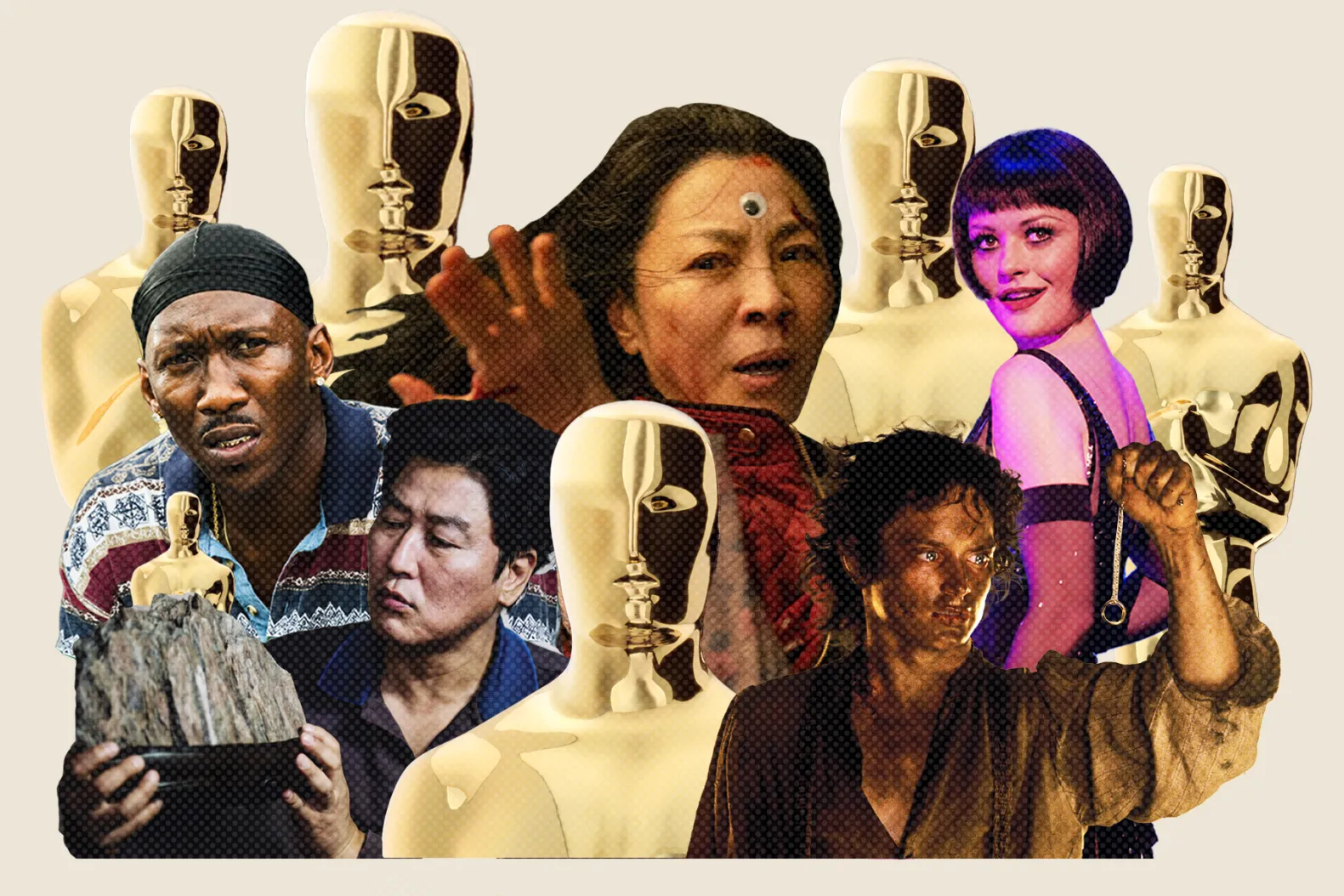
Oscars: Timeless Films That Have Stood the Test of Time

love4livi.com – The Oscars, officially known as the Academy Awards, are the most prestigious accolades in the film industry, recognizing outstanding achievements in various aspects of filmmaking. Over the years, the ceremony has celebrated countless movies, some of which have faded into obscurity, while others have transcended time, becoming classics that continue to captivate audiences worldwide. These “Oscars for the Ages” are not just awards for a particular year but are timeless films that have stood the test of time, resonating with viewers across generations.

The Enduring Allure of Classic Cinema

Classic cinema, often defined as films produced from the 1920s to the 1960s, laid the foundation for modern filmmaking. These movies, many of which were honored at the Oscars, have a charm and elegance that is hard to replicate. From the black-and-white masterpieces of the silent era to the technicolor spectacles of the 1950s, these films offer a glimpse into the past, showcasing the evolution of storytelling, cinematography, and special effects.

Iconic Films That Have Withstood the Test of Time

“Casablanca” (1942)

Winning three Oscars, including Best Picture, “Casablanca” is a timeless love story set against the backdrop of World War II. Its memorable lines, such as “Here’s looking at you, kid,” have become part of the cultural lexicon, and its themes of love, sacrifice, and patriotism continue to resonate.

“Gone with the Wind” (1939)

With a record-breaking eight Academy Awards, including Best Picture, “Gone with the Wind” is an epic tale of love, loss, and survival during the American Civil War. Despite its historical inaccuracies and controversial portrayal of race, the film’s grandeur, and the performances of its cast have ensured its place in cinematic history.

“The Godfather” (1972)

Winning three Oscars, including Best Picture, “The Godfather” is a masterpiece of American cinema. Directed by Francis Ford Coppola and featuring a legendary performance by Marlon Brando, the film’s exploration of family, power, and loyalty in the Mafia world has made it a benchmark for crime dramas.

“Schindler’s List” (1993)

Steven Spielberg’s harrowing depiction of the Holocaust, “Schindler’s List,” won seven Oscars, including Best Picture. The film’s emotional power and historical significance have cemented its status as a must-watch for anyone interested in understanding the impact of cinema on society.

Why These Films Remain Relevant

The enduring appeal of these films lies in their universal themes, compelling narratives, and the technical brilliance that went into their making. They tackle issues of love, war, morality, and survival, themes that are as relevant today as they were when the films were first released. Moreover, the craftsmanship involved in their production, from the cinematography to the editing, sets a standard that continues to inspire filmmakers.

Conclusion

The films that have stood the test of time and are considered “Oscars for the Ages” are more than just movies; they are cultural touchstones that reflect the values, fears, and aspirations of society. They remind us of the power of cinema to move, inspire, and provoke thought. As we continue to celebrate the art of filmmaking, these timeless classics serve as a reminder of the enduring legacy of the Academy Awards and the films they honor.