
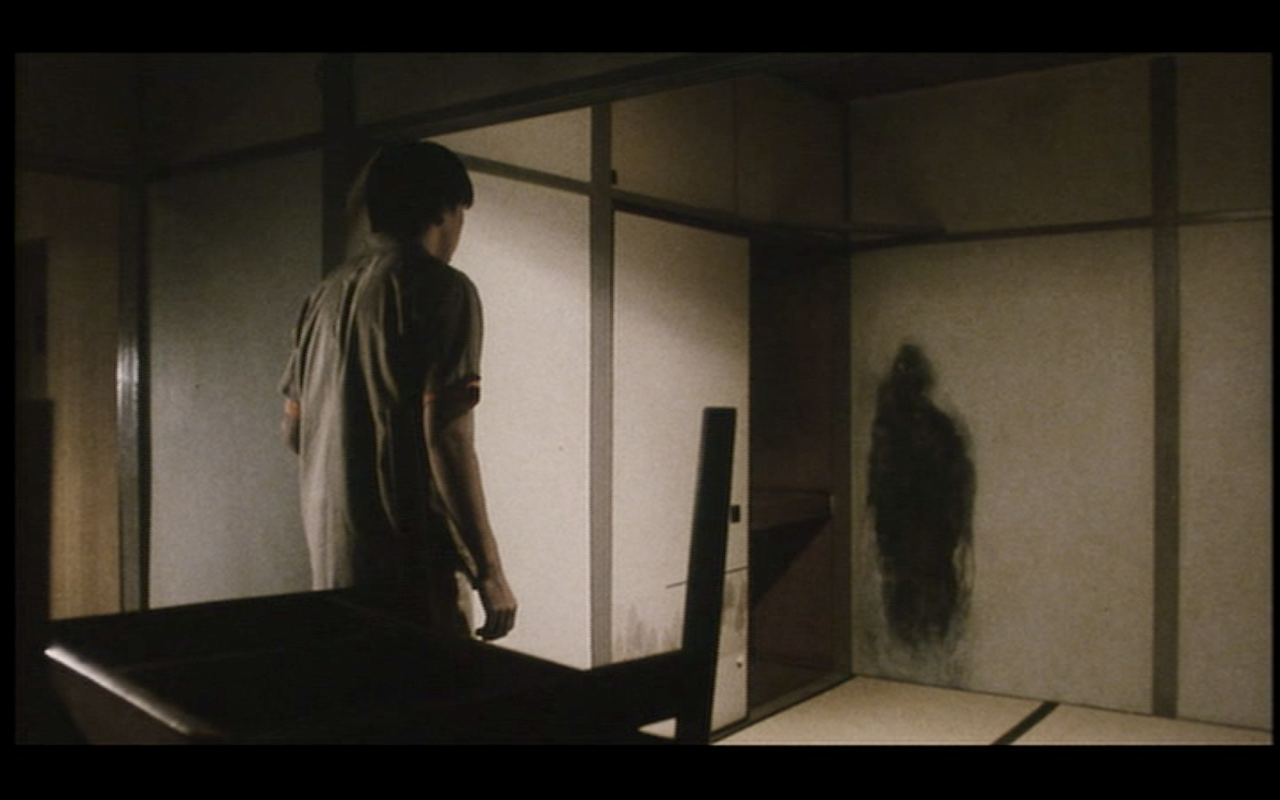
love4livi.com – Released in 2001, Pulse (Kairo), directed by Kiyoshi Kurosawa, is a groundbreaking Japanese horror film that explores the intersection of technology, loneliness, and the afterlife. Known for its chilling atmosphere, subtle psychological horror, and profound social commentary, Pulse is widely regarded as one of the most thought-provoking films in the J-horror genre. The film’s exploration of isolation in a hyper-connected world and its unsettling portrayal of the dead crossing over into the digital realm makes it a haunting reflection on the anxieties of modern life.
Plot Overview: When the Dead Invade the Internet
Pulse tells two parallel stories that gradually converge, both revolving around the eerie and inexplicable deaths linked to an online phenomenon. The first story follows Kudo Michi, a young woman working at a plant nursery, whose friend Taguchi mysteriously hangs himself after behaving strangely. As Michi and her coworkers investigate, they find disturbing images on Taguchi’s computer, including footage of people interacting with ghostly figures. They soon realize that Taguchi had been accessing a strange website that shows people alone in dark rooms, seemingly being watched by someone—or something—else.
The second storyline follows Ryosuke, a university student who inadvertently stumbles upon the same ghostly website. After visiting the site, Ryosuke becomes increasingly paranoid and distressed, sensing a presence from beyond the screen. With the help of a computer science graduate student named Harue, he begins to uncover a terrifying truth: the boundary between the living and the dead is weakening, and the spirits of the deceased are using the internet as a conduit to cross over into the world of the living.
As more people disappear or die under mysterious circumstances, Michi, Ryosuke, and Harue struggle to understand what’s happening and how to stop the spreading phenomenon. The film builds toward an apocalyptic conclusion, where the living are overwhelmed by the growing presence of the dead, leaving a haunting and ambiguous final impression.
Themes: Isolation in a Digital World
One of the central themes of Pulse is the profound sense of loneliness and isolation that permeates modern life, even as people become more connected through technology. The film depicts a world where interpersonal relationships are increasingly fractured, and individuals become more alienated from one another despite the presence of digital communication. The haunting website that lures people in with images of the dead is a metaphor for the isolating effect of technology, where virtual interactions replace meaningful human connection.
The film’s portrayal of the internet as a gateway to the afterlife reflects anxieties about the growing role of technology in everyday life. As people spend more time online, they become disconnected from the physical world and the people around them, leaving them vulnerable to the unseen forces that exist on the other side. The ghosts in Pulse are not traditional vengeful spirits but lonely, disembodied souls seeking to escape their eternal isolation by crossing into the living world.
Kurosawa’s vision of the internet as a place where the dead can infiltrate the world of the living serves as a powerful allegory for the ways in which technology can blur the lines between presence and absence, reality and unreality. The film asks unsettling questions about the nature of existence in a world where human connections are increasingly mediated by screens and networks.
Atmosphere and Cinematic Style: A Slow-Burning Nightmare
Pulse is notable for its slow-burning, atmospheric approach to horror. Rather than relying on jump scares or overt violence, Kurosawa creates a pervasive sense of dread through the use of empty, decaying spaces and haunting, almost suffocating silence. The film’s color palette is muted, with desaturated tones of gray and brown, reflecting the bleakness of the characters’ emotional states and the growing influence of the otherworldly.
Kurosawa’s direction emphasizes long, lingering takes that build tension through stillness and anticipation. The empty rooms, dark corridors, and abandoned urban landscapes become characters in their own right, embodying the film’s themes of isolation and desolation. The ghosts, when they do appear, are depicted as slow-moving, faceless figures, their presence unsettling not because of what they do, but because of the eerie calm with which they occupy the frame.
The sound design in Pulse is equally crucial to its unnerving atmosphere. The film eschews a traditional score, instead relying on ambient noises—whispers, static, and silence—to heighten the tension. The absence of sound is often as terrifying as the presence of it, as the characters are left to confront the oppressive quiet of their surroundings and the creeping dread of what might be lurking just out of sight.
The Ghosts: Haunting and Metaphorical Figures
Unlike many traditional ghost stories, the spirits in Pulse are not malevolent entities seeking revenge, but lost souls trapped in a state of eternal loneliness. These ghosts are spectral representations of the ultimate isolation—cut off from both the world of the living and the world of the dead, they seek out human contact but are doomed to never fully connect.
The film’s portrayal of these spirits as indistinct, shadowy figures enhances the sense of alienation they represent. Their slow, unnatural movements and featureless faces create an eerie sense of detachment, reflecting the emotional distance and disconnection that the characters themselves experience in their own lives.
As the characters in the film become more isolated—physically and emotionally—they begin to mirror the ghosts, gradually losing their vitality and sense of purpose. This blurring of the line between the living and the dead reinforces the film’s central message: that the isolation of the modern world, exacerbated by technology, is a kind of living death.
Legacy and Influence: A Modern Horror Classic
Pulse was a critical success upon its release, praised for its innovative take on the horror genre and its exploration of contemporary anxieties about technology and isolation. The film’s meditative approach to horror, combined with its unsettling atmosphere, set it apart from more conventional supernatural thrillers and helped cement its status as a cult classic.
Pulse also played a significant role in the rise of J-horror in the early 2000s, alongside films like Ringu (1998) and Ju-on: The Grudge (2002). Its influence can be seen in later films that explore the dark side of technology and the internet, including the American remake, Pulse (2006), which attempted to bring Kurosawa’s vision to a Western audience, though it failed to capture the same depth and atmosphere of the original.
More broadly, Pulse has left a lasting impact on horror filmmakers worldwide, particularly in its use of atmosphere, minimalism, and psychological horror. Its themes of digital alienation remain relevant in an era where technology continues to shape human relationships and communication, making Pulse a timeless exploration of fear in the modern world.
Conclusion: A Haunting Meditation on Loneliness
Pulse is more than just a horror film—it is a haunting meditation on the nature of existence in an increasingly isolated and digital world. Kiyoshi Kurosawa’s masterful direction, combined with the film’s eerie atmosphere and profound themes, makes it a standout in both the horror genre and Japanese cinema as a whole.
With its slow-building tension, chilling imagery, and thought-provoking commentary on the dangers of disconnection, Pulse remains one of the most influential and enduring films of the J-horror wave, leaving audiences with a lingering sense of dread and reflection on the consequences of living in a world where technology has replaced human connection.