
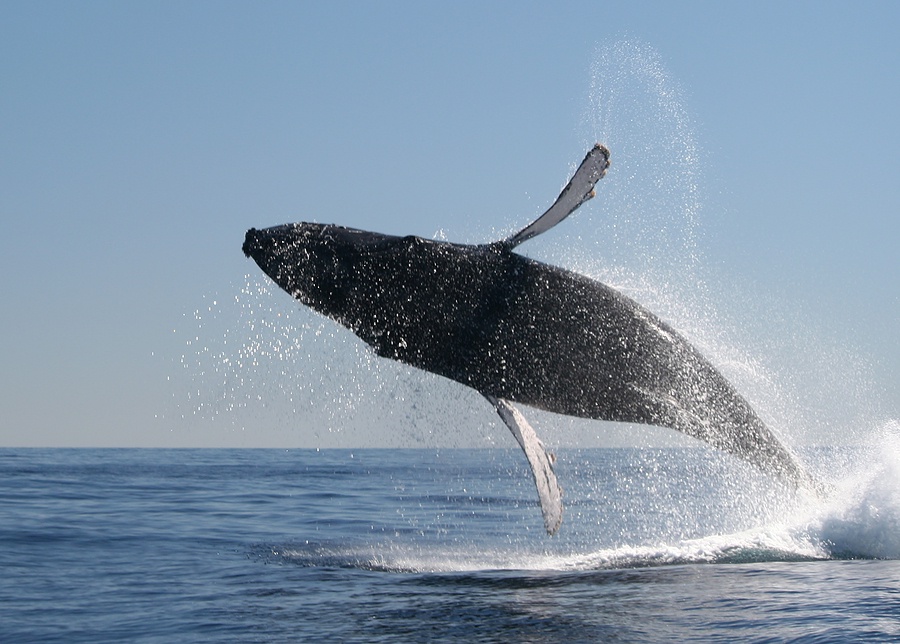
love4livi.com – The gray whale, a true marvel of the oceans, is known for its extraordinary migratory behavior and resilient nature. With a long history and a remarkable journey across the globe, the gray whale has captured the imagination of marine enthusiasts, scientists, and conservationists alike. This article explores the unique characteristics, behaviors, and conservation status of the gray whale, offering a closer look at one of the ocean’s most enduring species.
Physical Characteristics
Gray whales are large baleen whales, typically reaching lengths of 40 to 50 feet (12 to 15 meters) and weighing between 30 and 40 tons. Their bodies are robust and stocky, with a relatively short, wide head and a prominent, arched dorsal hump followed by a small dorsal fin, located about two-thirds of the way down their back. Their coloration varies from gray to dark gray, often with patches and mottled patterns on their skin, which is a distinguishing feature of the species.
One of the unique physical characteristics of gray whales is the presence of numerous scars and barnacles on their skin. These marks, which often cover large portions of their bodies, are a result of encounters with parasites, and the whale’s rough skin texture provides an ideal surface for barnacle attachment.
Unlike many other baleen whales, gray whales have relatively short baleen plates that they use to filter feed. The plates are fringed with fine hairs, which help them trap small organisms like benthic crustaceans, amphipods, and other invertebrates from the seafloor.
Habitat and Distribution
Gray whales are primarily found along the Pacific coast of North America, though their distribution also extends to a few areas in the North Pacific Ocean. They are most famous for their incredible migratory patterns, as gray whales are among the longest migratory animals on Earth.
These whales spend their summer feeding season in the nutrient-rich waters of the Arctic, specifically in the Chukchi and Bering Seas, where they feast on vast numbers of benthic organisms. Once the colder months approach, they migrate to warmer coastal waters off the Baja California Peninsula in Mexico, where they breed and give birth.
Gray whales are known for their long migration, which can span up to 12,000 miles (20,000 kilometers) round-trip. This incredible journey takes them through some of the most challenging and treacherous waters, but the whales are known for their ability to navigate long distances with remarkable precision.
Diet and Feeding Habits
Gray whales are benthic feeders, which means they feed on organisms found on the seafloor. Unlike other baleen whales that filter plankton or small fish from the water, gray whales dive to the ocean floor to forage for food. They typically feed on small crustaceans, such as amphipods, which live in the sediments of shallow coastal waters.
To feed, the gray whale uses a technique called “bottom feeding,” in which it rolls onto its side and scoops up mud and sediment from the seafloor with its mouth. The whale then filters the sediment through its baleen plates, separating the small invertebrates from the mud. This feeding method requires significant energy and effort, but it provides the whales with the nutrients they need to sustain themselves during their long migration.
Gray whales are also known to consume other types of small organisms, such as worms and mollusks, which they find in the benthic layer. During their migration, gray whales typically do not feed, relying on the fat reserves they have built up during the feeding season in the Arctic.
Behavior and Communication
The gray whale is known for its highly migratory behavior, traveling between its feeding and breeding grounds with incredible consistency. This migration is one of the most extraordinary natural phenomena in the animal kingdom, as the gray whale follows a well-established route that has been passed down through generations.
During migration, gray whales are often seen swimming close to shore, sometimes even entering shallow coastal waters. This coastal migration provides ample opportunities for observers to witness these magnificent animals up close. Their migration is not only long but also solitary, as they often travel alone or in small groups.
Communication among gray whales is largely vocal, with a range of sounds such as moans, grunts, and low-frequency pulses. These sounds are believed to be used for communication between individuals, particularly during the breeding season. Although their vocalizations are not as complex as those of humpback whales, gray whales use these sounds for navigation, maintaining contact with other whales, and coordinating movements during migration.
Conservation Status
Historically, gray whales were heavily hunted for their blubber, oil, and baleen during the whaling era, which nearly drove the species to extinction. By the mid-20th century, their population had dramatically declined, and they were placed on the endangered species list.
Today, gray whales are classified as “Least Concern” by the International Union for Conservation of Nature (IUCN), with their population estimated to be around 27,000 individuals. While the species has made a remarkable recovery since the cessation of commercial whaling, gray whales still face several threats to their survival.
One of the primary concerns for gray whales today is habitat degradation. Coastal development, pollution, and oil drilling along their migratory routes have the potential to disrupt their feeding and breeding grounds. Additionally, climate change poses a growing threat, as warming ocean temperatures could affect the distribution of food sources in their feeding areas.
Ship strikes also remain a risk, particularly along heavily trafficked coastal areas, as whales migrate through busy shipping lanes. Entanglement in fishing gear and the effects of noise pollution from ships and industrial activity are also significant challenges for the species.
Conclusion
The gray whale is a true icon of the natural world, known for its extraordinary migratory journey, unique feeding habits, and resilient nature. This remarkable species has survived the pressures of hunting and environmental threats to make a significant recovery, yet challenges remain in ensuring its continued survival.
Through ongoing conservation efforts, including habitat protection, monitoring migration routes, and reducing human impacts, we can help ensure that future generations of gray whales continue to make their incredible journey across the oceans. The gray whale is not only a testament to the power of resilience but also a symbol of the need for continued protection of the ocean’s most awe-inspiring creatures.
