
Petunia: A Colorful Addition to Your Garden

love4livi.com – Petunias are one of the most popular and versatile flowers in the world, known for their vibrant colors, variety of shapes, and long blooming season. Native to South America, Petunias have become a beloved addition to gardens, containers, and hanging baskets around the globe. With their bright and showy blooms, Petunias can bring a splash of color to any garden or outdoor space. Available in an array of colors including pink, purple, red, white, and yellow, as well as in multi-colored and ruffled varieties, Petunias are sure to suit any gardener’s aesthetic preferences.

Physical Characteristics

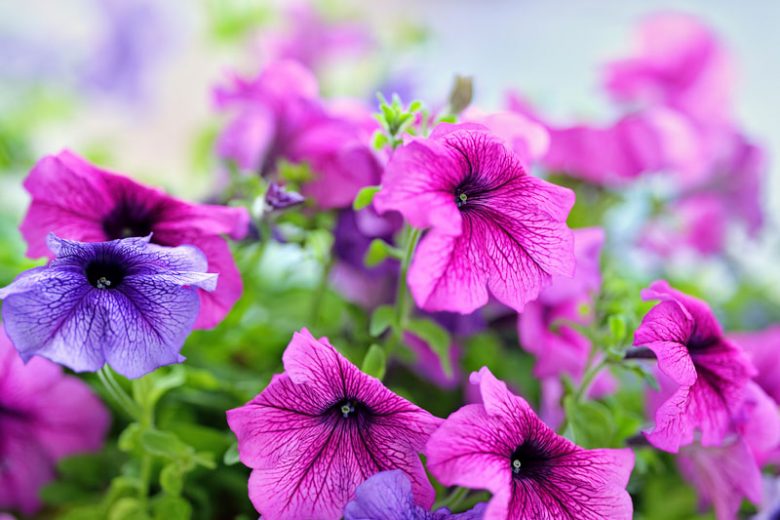
Petunias are herbaceous plants that can grow as trailing, spreading, or bushy plants, depending on the variety. They typically reach a height of 6 to 18 inches (15 to 45 cm) but can spread much wider, especially in hanging baskets or ground covers. The flowers are funnel-shaped with five petals, which often overlap, creating a lush, full look. The petals can be solid in color, or they may have subtle veins or patterns, adding to their visual appeal. Petunias also have a mild, pleasant fragrance, which can further enhance their appeal in garden settings. Their foliage is often green and can be slightly sticky to the touch, providing a contrasting backdrop for the vibrant flowers.

Growing Conditions

Petunias thrive in full sun, requiring at least six hours of direct sunlight per day to produce abundant blooms. They prefer well-drained, moderately fertile soil and benefit from regular watering. Petunias are relatively drought-tolerant once established, but they will bloom best when kept consistently moist, especially during hot summer months. Overwatering, however, should be avoided, as it can lead to root rot. These flowers are well-suited for garden beds, hanging baskets, containers, and window boxes. In colder climates, Petunias are grown as annuals, though they are treated as perennials in warmer regions. They are also highly adaptable to a range of soil types, as long as the drainage is adequate.

Uses in Gardening and Landscaping

Petunias are incredibly versatile in the landscape, offering a wide range of uses in gardens and outdoor spaces. They are often used as bedding plants, where they can create vibrant borders or fill empty spaces with color. Petunias also make excellent container plants, thriving in hanging baskets, patio pots, and window boxes. Their trailing habit makes them ideal for cascading over the edges of containers, creating a beautiful display. These flowers are also frequently used in hanging baskets, providing a cascading effect of color that can brighten up balconies, porches, and garden walls. Their ability to attract pollinators, such as bees and butterflies, adds ecological value to any garden setting.

Health and Medicinal Benefits

While Petunias are primarily cultivated for ornamental purposes, there are some anecdotal uses of Petunia flowers in traditional remedies. However, these plants are not widely recognized for their medicinal properties and should not be used for health purposes without professional guidance. Ingestion of parts of the plant may cause mild irritation or discomfort, and the flowers are best enjoyed for their beauty and fragrance rather than any medicinal benefits.

Ecological Importance

Petunias play a role in supporting pollinators like bees, butterflies, and hummingbirds, making them a valuable addition to any garden focused on attracting beneficial wildlife. The bright and fragrant blooms of Petunias draw these pollinators, contributing to the pollination of nearby plants and enhancing the biodiversity of your garden. Their widespread popularity also means they are often incorporated into community gardens and public spaces, where they help support local ecosystems.

Conclusion

Petunias are a timeless garden favorite, prized for their vibrant colors, long-lasting blooms, and versatility. Whether used in garden beds, hanging baskets, containers, or window boxes, Petunias add a cheerful touch to any outdoor space. Their ability to bloom profusely throughout the growing season and attract pollinators makes them a rewarding plant for both gardeners and nature lovers. With relatively low maintenance requirements and an array of colors and forms to choose from, Petunias are a must-have for anyone looking to create a beautiful, colorful, and inviting garden.
Maltese Cross Flower: A Vibrant Addition to Your Garden

love4livi.com – The Maltese Cross (Lychnis chalcedonica) is a stunning flowering plant known for its striking, star-shaped red blooms and its ability to add bold color and texture to gardens. Named after the emblem of the Knights of Malta due to the resemblance of its flowers to a cross, this perennial plant has a long history of admiration for both its beauty and hardiness. With its vibrant flowers and easy-to-grow nature, the Maltese Cross is a favorite among gardeners looking to create an eye-catching display.

Origins and Habitat

The Maltese Cross is native to Eastern Europe and Asia, where it thrives in meadows, grasslands, and rocky hillsides. It prefers well-drained soil and a sunny location, making it an ideal candidate for cottage gardens, borders, and wildflower meadows. The plant has been cultivated for centuries and is known for its resilience in various climates, from temperate regions to more challenging, rocky areas.

Over time, the Maltese Cross has been naturalized in many parts of the world, particularly in North America, where it is appreciated for both its ornamental value and its low-maintenance growth. It can be found in gardens, parks, and along roadsides, where it adds a burst of color to the landscape.

Characteristics and Varieties

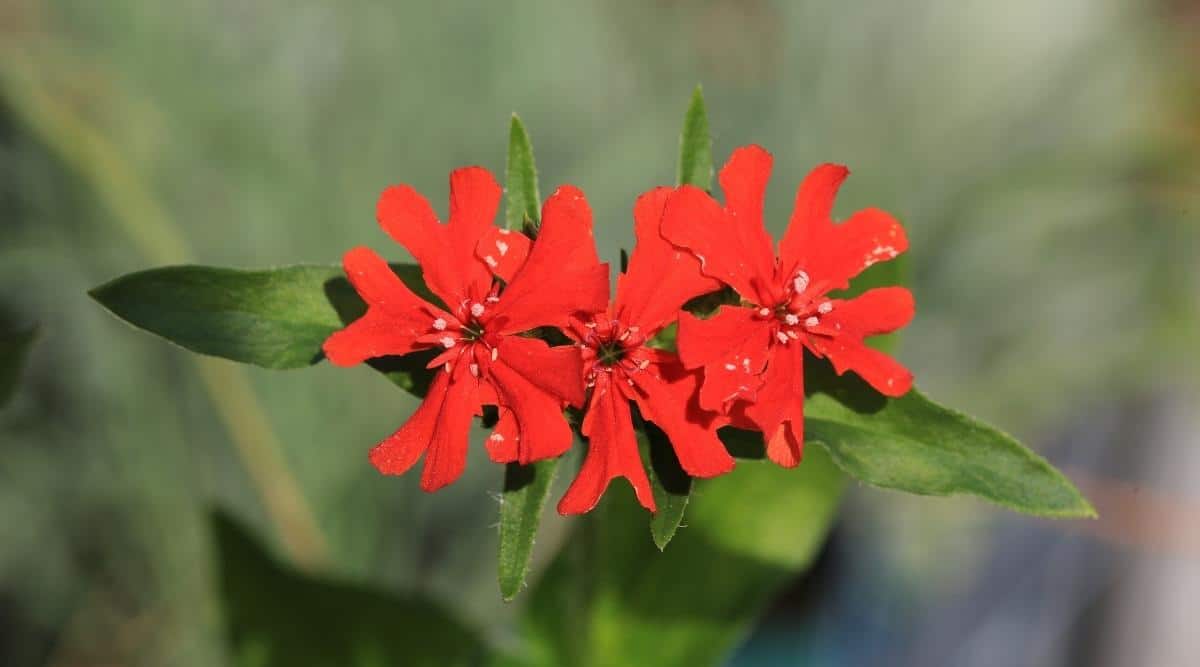
The Maltese Cross is best known for its unique, cross-shaped flowers, which are typically a bright, fiery red. Each flower consists of five petals that are arranged in a star-like pattern, creating the cross-shaped effect that gives the plant its name. The flowers grow in dense clusters at the top of tall, slender stems, creating a striking vertical element in the garden.

In addition to its red variety, some cultivars of Maltese Cross come in shades of pink, orange, or white, offering a range of color options for gardeners seeking a more diverse palette. The plant’s foliage consists of lance-shaped, dark green leaves that provide a lush backdrop for the vivid blooms. The flowers bloom from mid-summer to early fall, providing a long-lasting display of color that attracts pollinators such as bees, butterflies, and hummingbirds.

The Maltese Cross typically grows between 18 and 36 inches in height, making it a mid-sized plant that works well in both small and large garden spaces. Its compact size and upright growth habit make it ideal for use in borders, as a focal point in flower beds, or even as a cut flower in bouquets.

Growing Maltese Cross

The Maltese Cross is a relatively easy plant to grow, making it a great option for both beginner and experienced gardeners. It thrives in full sun, though it can tolerate light shade, especially in hotter climates. It prefers well-drained soil and does best in moderately fertile conditions, but it can adapt to a variety of soil types as long as they do not remain too wet.

This flower is typically grown from seed or division, and it’s best to sow seeds indoors in early spring or directly in the garden once the threat of frost has passed. When starting from seed, the seeds should be sown in a shallow tray or directly in the soil, and they typically germinate within a few weeks. If starting from established plants, the Maltese Cross can be divided in early spring or fall to propagate new plants.

Once established, the Maltese Cross is relatively low-maintenance, though it benefits from regular watering during dry spells. While it is somewhat drought-tolerant, it does best with consistent moisture. Deadheading spent flowers encourages more blooms and helps keep the plant looking neat. The plant may also benefit from a light fertilization in the spring, especially in poorer soils.

Symbolism and Significance

The Maltese Cross has rich symbolism, particularly in relation to its association with the Knights of Malta. The flower’s distinctive shape is said to resemble the cross that is used in the emblem of the Knights Hospitaller, a medieval Catholic military order. This connection gives the flower a sense of nobility, protection, and honor.

In a more general sense, the Maltese Cross is often associated with beauty, resilience, and courage due to its vibrant color and strong presence in the garden. The bold red blooms symbolize passion, love, and energy, making it a fitting flower for expressions of affection and admiration. The flower’s connection to the past, through its ties to the Knights of Malta, also gives it an aura of timelessness and tradition.

Maltese Cross in Garden Design

With its bright, showy flowers, the Maltese Cross is an excellent addition to any garden, particularly those focused on creating bold color contrasts. Its fiery red blooms are perfect for making a statement in flower beds or borders. It pairs well with other plants that have complementary colors, such as purple or blue flowers, creating a dynamic and vibrant garden display.

The plant’s upright growth habit makes it ideal for adding vertical interest to garden designs. It works well in mixed borders or as part of a perennial garden, where it can be surrounded by other sun-loving plants like coneflowers, lavender, or daylilies. It also makes a great cut flower, with its striking blooms adding a pop of color to fresh flower arrangements.

Additionally, the Maltese Cross is beneficial for attracting pollinators to the garden. Bees, butterflies, and hummingbirds are drawn to the flowers, making it a valuable addition to a pollinator-friendly garden. Its long blooming season ensures that it continues to provide nectar throughout the summer months, supporting local wildlife.

Conclusion

The Maltese Cross flower is a bold, beautiful, and easy-to-grow plant that brings vibrant color and texture to any garden. With its striking red, star-shaped blooms and its long history of symbolism, this perennial is a favorite among gardeners who appreciate both its ornamental appeal and its connection to tradition. Whether grown for its beauty, its association with the Knights of Malta, or its ability to attract pollinators, the Maltese Cross remains a beloved addition to gardens around the world.