Wax Plant Flower: A Stunning & Resilient Indoor Beauty

love4livi.com – The Wax Plant (Hoya), also known as the Porcelain Flower, is a captivating tropical plant known for its glossy, wax-like flowers that make it a favorite among houseplant enthusiasts. Its delicate clusters of star-shaped blooms, often in shades of white, pink, and red, are not only visually stunning but also emit a pleasant fragrance, making it a perfect choice for adding beauty and a sweet scent to indoor spaces. With its easy-care nature and impressive blooms, the Wax Plant has become a beloved plant in homes around the world.

Appearance and Characteristics

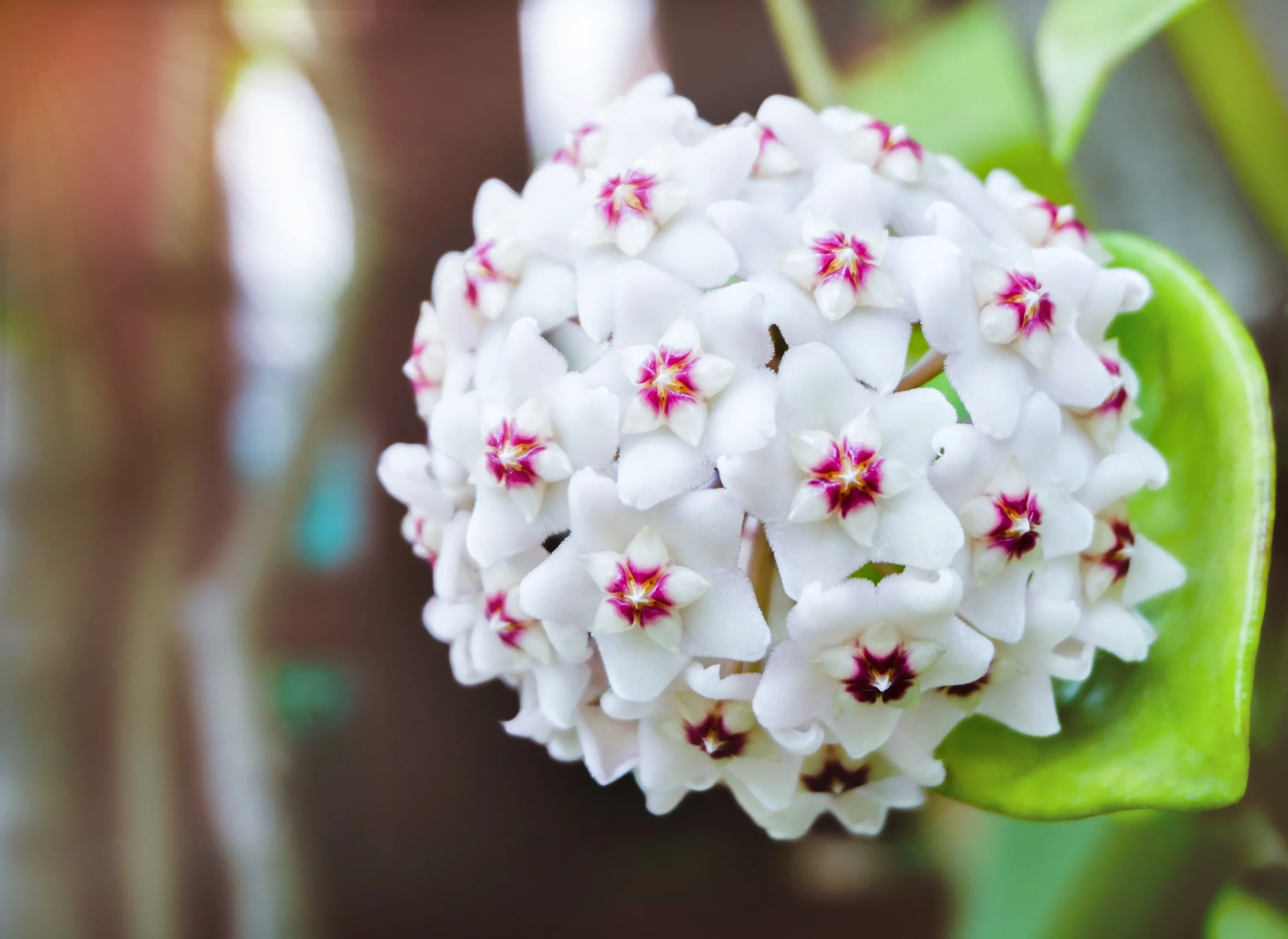
The Wax Plant is characterized by its thick, succulent-like leaves and clusters of small, star-shaped flowers that resemble delicate porcelain. These flowers are usually creamy white with a pink or red center, although some varieties may feature deep red, orange, or even purple hues. The flowers are often clustered in tight, spherical formations, creating a dense and eye-catching display.

The leaves of the Wax Plant are waxy and leathery, with a deep green color that contrasts beautifully with the bright, star-shaped flowers. The plant’s long, trailing vines or tendrils can grow up to 5 meters in length, making it an excellent choice for hanging baskets or as a climber on a trellis. Wax Plants can also be pruned to maintain a more compact, bushy shape if desired.

Habitat and Distribution

Native to Southeast Asia and parts of Oceania, the Wax Plant thrives in tropical and subtropical climates, where it grows in the understory of rainforests. It typically grows as a vine, attaching itself to trees and other surfaces for support. The plant’s natural habitat provides it with the warm temperatures, humidity, and indirect light it needs to thrive.

As a houseplant, the Wax Plant is well-suited to indoor environments, where it can be grown in hanging pots or allowed to climb on a trellis or other support structures. Its resilience to low light and humidity makes it a popular choice for indoor gardeners, even in homes without direct access to natural sunlight.

Ecological Importance

While the Wax Plant is primarily grown for ornamental purposes, it also plays a small role in supporting local ecosystems in its native habitats. As a flowering plant, it attracts pollinators such as bees, butterflies, and hummingbirds, which are drawn to the plant’s sweet-smelling blooms. The plant’s flowers typically bloom in clusters, providing a reliable food source for pollinators during the blooming season.

The plant’s thick, waxy leaves also help reduce water loss, making it particularly well-suited to environments where water conservation is important. This makes it a valuable species in maintaining plant biodiversity in tropical forests.

Growing and Caring for Wax Plants

One of the main reasons the Wax Plant is so beloved as a houseplant is its relatively low-maintenance care requirements. It thrives in bright, indirect light, but it can also tolerate lower light conditions, though it may not flower as abundantly. It is important to protect the plant from direct sunlight, as this can scorch the leaves.

Wax Plants prefer a warm, humid environment and should be kept at temperatures between 60°F and 80°F (16°C to 27°C). In drier climates, regular misting or the use of a humidifier can help create the necessary humidity levels for optimal growth.

Watering the Wax Plant requires care, as it is a succulent and does not need frequent watering. The plant should be watered thoroughly when the top inch of soil is dry, but it is important not to overwater, as this can lead to root rot. A well-draining potting mix, such as a cactus or succulent mix, is ideal for providing proper drainage.

During the growing season, which typically occurs in spring and summer, the Wax Plant can be fertilized once a month with a balanced, water-soluble fertilizer. During the fall and winter, the plant’s growth slows, and it requires less frequent feeding.

Flowering and Propagation

The Wax Plant’s most notable feature is its stunning flowers. While the plant is relatively slow to bloom, it can produce clusters of fragrant, star-shaped flowers once it reaches maturity. The flowers tend to bloom in the spring or summer, and the plant may produce multiple clusters of flowers at once, making for an impressive display. The fragrance of the flowers is subtle but sweet, often likened to the scent of vanilla or jasmine.

To encourage blooming, it is important to provide the plant with adequate light and humidity. Wax Plants tend to bloom better when they are slightly root-bound, so avoid repotting too frequently.

Wax Plants are typically propagated through stem cuttings. To do so, take a cutting from a healthy plant, ensuring it has at least one or two leaves and a section of stem. Place the cutting in water or a well-draining potting mix, and it should root in a few weeks. Be patient, as the plant can take some time to establish itself before it begins to grow vigorously.

Common Varieties of Wax Plants

There are several species and varieties of Wax Plants, each with its own unique characteristics. Some of the most popular varieties include:

  1. Hoya carnosa: Known as the “Common Wax Plant,” this variety is the most widely grown. It produces clusters of white to pink flowers with a red center.
  2. Hoya pubicalyx: This variety features darker, thicker leaves and star-shaped flowers that are pink or purple with darker centers.
  3. Hoya linearis: A more compact variety with narrow, elongated leaves and long, trailing vines. Its flowers are small, fragrant, and typically white or pale pink.

Medicinal and Historical Uses

While the Wax Plant is not commonly used in traditional medicine, certain species of Hoya plants have been studied for their potential medicinal properties. Some cultures have used Hoyas for their purported ability to treat respiratory ailments, although more research is needed to confirm these claims.

Conclusion

The Wax Plant is a stunning addition to any indoor garden, offering beauty, fragrance, and low-maintenance care. Its unique, wax-like flowers, glossy leaves, and trailing vines make it an eye-catching choice for hanging baskets, trellises, or as a cascading plant in a container. With a bit of patience and the right care, the Wax Plant can bloom year after year, creating a beautiful and fragrant display that adds charm to any space. Whether you’re a seasoned plant parent or a beginner, the Wax Plant is sure to impress with its resilience and stunning flowers.
Snowdrop Windflower: A Beautiful Bloomer for Your Garden

love4livi.com – The Snowdrop Windflower (Anemone sylvestris) is a charming perennial that brings delicate beauty to gardens in early spring. With its white, snowdrop-like flowers and airy, fern-like foliage, this plant is a standout for gardeners looking to add a touch of elegance to their landscapes. Native to Europe and parts of Asia, the Snowdrop Windflower is prized for its early bloom time, often emerging as one of the first signs of spring.

Physical Characteristics of the Snowdrop Windflower

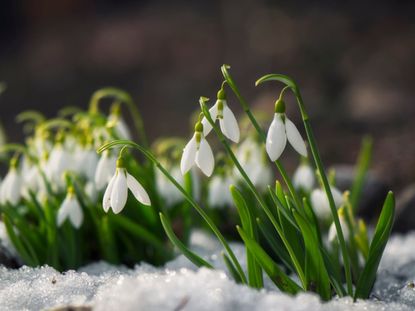
The Snowdrop Windflower is a low-growing perennial that typically reaches a height of 6 to 12 inches. It is known for its striking white flowers, which resemble those of the Snowdrop (Galanthus nivalis), with six petals that form a star-like shape. These blooms appear in early spring, often in March or April, when the ground is still cool and the first hints of warmer weather are on the horizon.

The flowers of the Snowdrop Windflower are typically about 1 to 2 inches in diameter and are borne on slender, leafless stems that rise above the foliage. The plant’s leaves are deeply lobed and fern-like, adding a soft, feathery texture to the overall appearance. After the flowers have faded, the foliage remains attractive throughout the growing season, with its bright green color offering a nice contrast to other plants in the garden.

Growing Conditions and Care

Snowdrop Windflowers thrive in well-drained, slightly alkaline soil and prefer locations with full to partial sun. They are adaptable to a variety of growing conditions but tend to perform best in moist, but not waterlogged, soil. This plant is particularly well-suited to woodland gardens, rock gardens, or the edges of garden beds, where its early flowers can brighten up the landscape.

These plants are relatively easy to care for and are hardy in USDA zones 4 to 8. They require regular watering, especially during dry spells, but once established, they are relatively drought-tolerant. Snowdrop Windflowers can be divided and transplanted during the dormant period in the fall or early spring, helping to maintain healthy growth and encourage the spread of this beautiful perennial.

Deadheading the spent flowers will help maintain the plant’s tidy appearance, but the foliage can be left to die back naturally in late spring or early summer. In colder climates, a light layer of mulch in the winter can help protect the roots from frost.

Ecological Role of Snowdrop Windflower

The Snowdrop Windflower serves an important role in early spring ecosystems, as its blooms provide an early source of nectar for pollinators such as bees and butterflies. These early-season visitors help to pollinate the flowers, ensuring the plant can produce seeds for future generations. By planting Snowdrop Windflowers, gardeners can help support these essential pollinators, particularly in areas where early-season food sources may be scarce.

In addition to attracting pollinators, the Snowdrop Windflower’s dense foliage can help suppress weeds in the garden, making it a useful companion plant for keeping garden beds neat and tidy.

Varieties of Snowdrop Windflower

While Anemone sylvestris is the most commonly grown species of Snowdrop Windflower, there are some other varieties and cultivars that offer different flower forms or growth habits. Some notable varieties include:

  • Anemone sylvestris ‘Double Snowdrop’: This variety features double flowers with extra petals, offering a fuller, more rounded bloom that resembles a miniature snowball.
  • Anemone sylvestris ‘Alba’: This cultivar has slightly larger flowers and is known for its strong, upright growth habit, making it a great choice for taller garden designs.

These variations allow gardeners to choose a cultivar that best suits their landscape, whether they’re looking for extra fullness or more compact growth.

Uses in Landscaping

The Snowdrop Windflower is a versatile plant that can be used in a variety of landscaping applications, thanks to its early bloom time and attractive appearance. Some common uses include:

  • Woodland Gardens: Snowdrop Windflowers are well-suited to woodland gardens, where their early blooms can emerge before the trees fully leaf out, creating a bright contrast against the bare branches.
  • Rock Gardens: Their low-growing nature and delicate blooms make them perfect for planting in rock gardens, where they can spill over rocks and create a gentle, natural look.
  • Borders and Edging: Snowdrop Windflowers can be used along garden borders or as an edging plant, adding early spring color without overwhelming taller plants.
  • Container Gardens: These plants also do well in containers, where they can be showcased on patios, balconies, or front steps.

Their early blooms make them a perfect plant to combine with later-blooming spring flowers, such as tulips or daffodils, to create a staggered display of color throughout the season.

Conclusion

The Snowdrop Windflower is a lovely and low-maintenance perennial that adds a touch of grace and early-season beauty to any garden. With its delicate white flowers and fern-like foliage, it serves as a beacon of spring and a valuable food source for pollinators. Whether planted in woodland gardens, rock gardens, or borders, the Snowdrop Windflower brings elegance and charm to the landscape. Its ability to thrive in various growing conditions and its long-lasting appeal make it a must-have for gardeners seeking to create a diverse and vibrant garden.

Petunia: A Colorful Addition to Your Garden

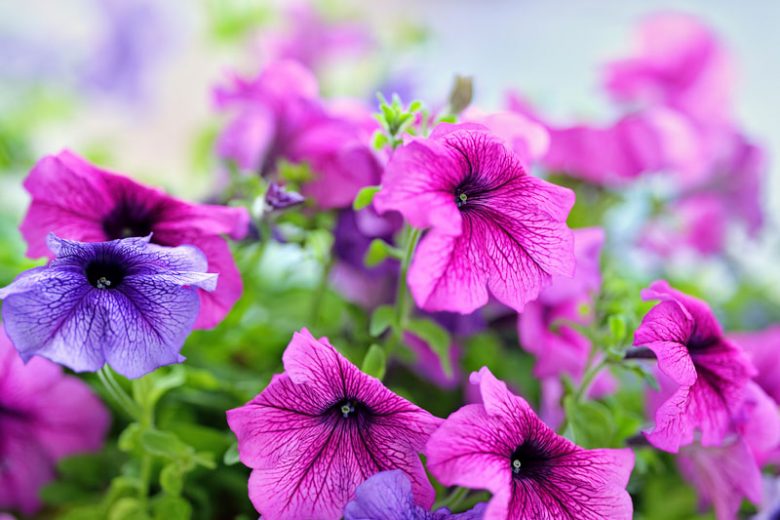
love4livi.com – Petunias are one of the most popular and versatile flowers in the world, known for their vibrant colors, variety of shapes, and long blooming season. Native to South America, Petunias have become a beloved addition to gardens, containers, and hanging baskets around the globe. With their bright and showy blooms, Petunias can bring a splash of color to any garden or outdoor space. Available in an array of colors including pink, purple, red, white, and yellow, as well as in multi-colored and ruffled varieties, Petunias are sure to suit any gardener’s aesthetic preferences.

Physical Characteristics

Petunias are herbaceous plants that can grow as trailing, spreading, or bushy plants, depending on the variety. They typically reach a height of 6 to 18 inches (15 to 45 cm) but can spread much wider, especially in hanging baskets or ground covers. The flowers are funnel-shaped with five petals, which often overlap, creating a lush, full look. The petals can be solid in color, or they may have subtle veins or patterns, adding to their visual appeal. Petunias also have a mild, pleasant fragrance, which can further enhance their appeal in garden settings. Their foliage is often green and can be slightly sticky to the touch, providing a contrasting backdrop for the vibrant flowers.

Growing Conditions

Petunias thrive in full sun, requiring at least six hours of direct sunlight per day to produce abundant blooms. They prefer well-drained, moderately fertile soil and benefit from regular watering. Petunias are relatively drought-tolerant once established, but they will bloom best when kept consistently moist, especially during hot summer months. Overwatering, however, should be avoided, as it can lead to root rot. These flowers are well-suited for garden beds, hanging baskets, containers, and window boxes. In colder climates, Petunias are grown as annuals, though they are treated as perennials in warmer regions. They are also highly adaptable to a range of soil types, as long as the drainage is adequate.

Uses in Gardening and Landscaping

Petunias are incredibly versatile in the landscape, offering a wide range of uses in gardens and outdoor spaces. They are often used as bedding plants, where they can create vibrant borders or fill empty spaces with color. Petunias also make excellent container plants, thriving in hanging baskets, patio pots, and window boxes. Their trailing habit makes them ideal for cascading over the edges of containers, creating a beautiful display. These flowers are also frequently used in hanging baskets, providing a cascading effect of color that can brighten up balconies, porches, and garden walls. Their ability to attract pollinators, such as bees and butterflies, adds ecological value to any garden setting.

Health and Medicinal Benefits

While Petunias are primarily cultivated for ornamental purposes, there are some anecdotal uses of Petunia flowers in traditional remedies. However, these plants are not widely recognized for their medicinal properties and should not be used for health purposes without professional guidance. Ingestion of parts of the plant may cause mild irritation or discomfort, and the flowers are best enjoyed for their beauty and fragrance rather than any medicinal benefits.

Ecological Importance

Petunias play a role in supporting pollinators like bees, butterflies, and hummingbirds, making them a valuable addition to any garden focused on attracting beneficial wildlife. The bright and fragrant blooms of Petunias draw these pollinators, contributing to the pollination of nearby plants and enhancing the biodiversity of your garden. Their widespread popularity also means they are often incorporated into community gardens and public spaces, where they help support local ecosystems.

Conclusion

Petunias are a timeless garden favorite, prized for their vibrant colors, long-lasting blooms, and versatility. Whether used in garden beds, hanging baskets, containers, or window boxes, Petunias add a cheerful touch to any outdoor space. Their ability to bloom profusely throughout the growing season and attract pollinators makes them a rewarding plant for both gardeners and nature lovers. With relatively low maintenance requirements and an array of colors and forms to choose from, Petunias are a must-have for anyone looking to create a beautiful, colorful, and inviting garden.

Maltese Cross Flower: A Vibrant Addition to Your Garden

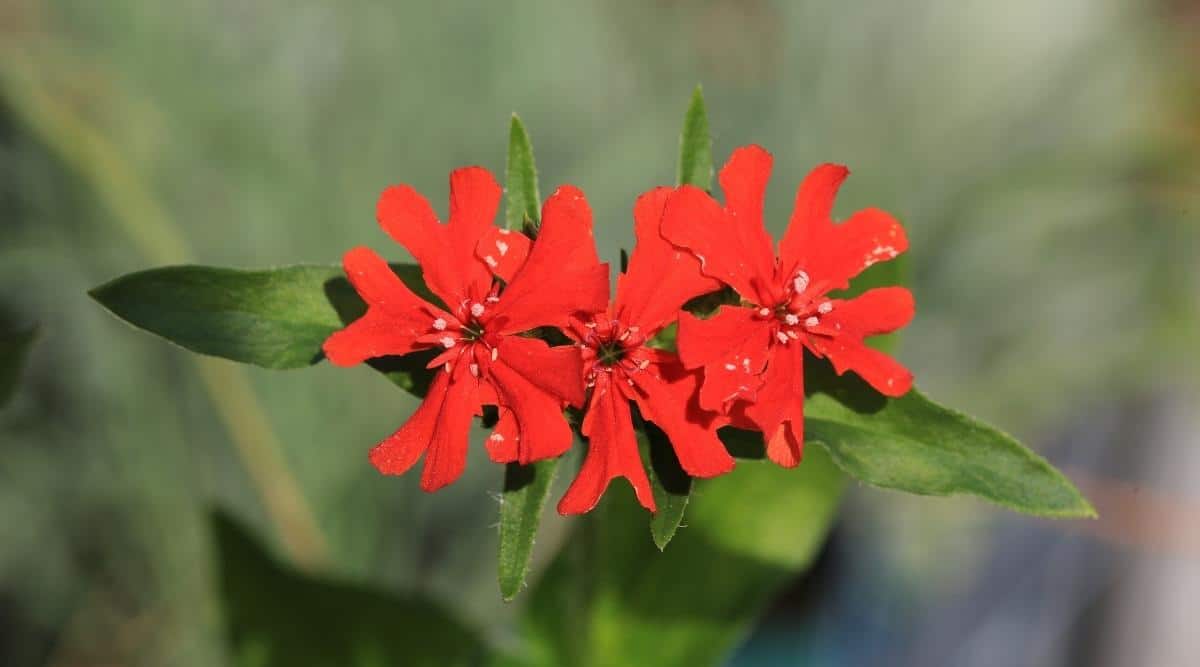
love4livi.com – The Maltese Cross (Lychnis chalcedonica) is a stunning flowering plant known for its striking, star-shaped red blooms and its ability to add bold color and texture to gardens. Named after the emblem of the Knights of Malta due to the resemblance of its flowers to a cross, this perennial plant has a long history of admiration for both its beauty and hardiness. With its vibrant flowers and easy-to-grow nature, the Maltese Cross is a favorite among gardeners looking to create an eye-catching display.

Origins and Habitat

The Maltese Cross is native to Eastern Europe and Asia, where it thrives in meadows, grasslands, and rocky hillsides. It prefers well-drained soil and a sunny location, making it an ideal candidate for cottage gardens, borders, and wildflower meadows. The plant has been cultivated for centuries and is known for its resilience in various climates, from temperate regions to more challenging, rocky areas.

Over time, the Maltese Cross has been naturalized in many parts of the world, particularly in North America, where it is appreciated for both its ornamental value and its low-maintenance growth. It can be found in gardens, parks, and along roadsides, where it adds a burst of color to the landscape.

Characteristics and Varieties

The Maltese Cross is best known for its unique, cross-shaped flowers, which are typically a bright, fiery red. Each flower consists of five petals that are arranged in a star-like pattern, creating the cross-shaped effect that gives the plant its name. The flowers grow in dense clusters at the top of tall, slender stems, creating a striking vertical element in the garden.

In addition to its red variety, some cultivars of Maltese Cross come in shades of pink, orange, or white, offering a range of color options for gardeners seeking a more diverse palette. The plant’s foliage consists of lance-shaped, dark green leaves that provide a lush backdrop for the vivid blooms. The flowers bloom from mid-summer to early fall, providing a long-lasting display of color that attracts pollinators such as bees, butterflies, and hummingbirds.

The Maltese Cross typically grows between 18 and 36 inches in height, making it a mid-sized plant that works well in both small and large garden spaces. Its compact size and upright growth habit make it ideal for use in borders, as a focal point in flower beds, or even as a cut flower in bouquets.

Growing Maltese Cross

The Maltese Cross is a relatively easy plant to grow, making it a great option for both beginner and experienced gardeners. It thrives in full sun, though it can tolerate light shade, especially in hotter climates. It prefers well-drained soil and does best in moderately fertile conditions, but it can adapt to a variety of soil types as long as they do not remain too wet.

This flower is typically grown from seed or division, and it’s best to sow seeds indoors in early spring or directly in the garden once the threat of frost has passed. When starting from seed, the seeds should be sown in a shallow tray or directly in the soil, and they typically germinate within a few weeks. If starting from established plants, the Maltese Cross can be divided in early spring or fall to propagate new plants.

Once established, the Maltese Cross is relatively low-maintenance, though it benefits from regular watering during dry spells. While it is somewhat drought-tolerant, it does best with consistent moisture. Deadheading spent flowers encourages more blooms and helps keep the plant looking neat. The plant may also benefit from a light fertilization in the spring, especially in poorer soils.

Symbolism and Significance

The Maltese Cross has rich symbolism, particularly in relation to its association with the Knights of Malta. The flower’s distinctive shape is said to resemble the cross that is used in the emblem of the Knights Hospitaller, a medieval Catholic military order. This connection gives the flower a sense of nobility, protection, and honor.

In a more general sense, the Maltese Cross is often associated with beauty, resilience, and courage due to its vibrant color and strong presence in the garden. The bold red blooms symbolize passion, love, and energy, making it a fitting flower for expressions of affection and admiration. The flower’s connection to the past, through its ties to the Knights of Malta, also gives it an aura of timelessness and tradition.

Maltese Cross in Garden Design

With its bright, showy flowers, the Maltese Cross is an excellent addition to any garden, particularly those focused on creating bold color contrasts. Its fiery red blooms are perfect for making a statement in flower beds or borders. It pairs well with other plants that have complementary colors, such as purple or blue flowers, creating a dynamic and vibrant garden display.

The plant’s upright growth habit makes it ideal for adding vertical interest to garden designs. It works well in mixed borders or as part of a perennial garden, where it can be surrounded by other sun-loving plants like coneflowers, lavender, or daylilies. It also makes a great cut flower, with its striking blooms adding a pop of color to fresh flower arrangements.

Additionally, the Maltese Cross is beneficial for attracting pollinators to the garden. Bees, butterflies, and hummingbirds are drawn to the flowers, making it a valuable addition to a pollinator-friendly garden. Its long blooming season ensures that it continues to provide nectar throughout the summer months, supporting local wildlife.

Conclusion

The Maltese Cross flower is a bold, beautiful, and easy-to-grow plant that brings vibrant color and texture to any garden. With its striking red, star-shaped blooms and its long history of symbolism, this perennial is a favorite among gardeners who appreciate both its ornamental appeal and its connection to tradition. Whether grown for its beauty, its association with the Knights of Malta, or its ability to attract pollinators, the Maltese Cross remains a beloved addition to gardens around the world.

Harlequin Flower: Colorful & Striking Bloomer for Your Garden

love4livi.com – The Harlequin Flower (Sparaxis tricolor), also known as the Wandflower, is a vibrant and eye-catching perennial that bursts into color in late spring and early summer. Known for its striking star-shaped flowers in a kaleidoscope of colors, the Harlequin Flower is a popular choice for gardeners seeking to add a splash of brilliance to their landscapes. In this article, we’ll explore the characteristics, growing tips, and benefits of growing the Harlequin Flower.

Characteristics of the Harlequin Flower

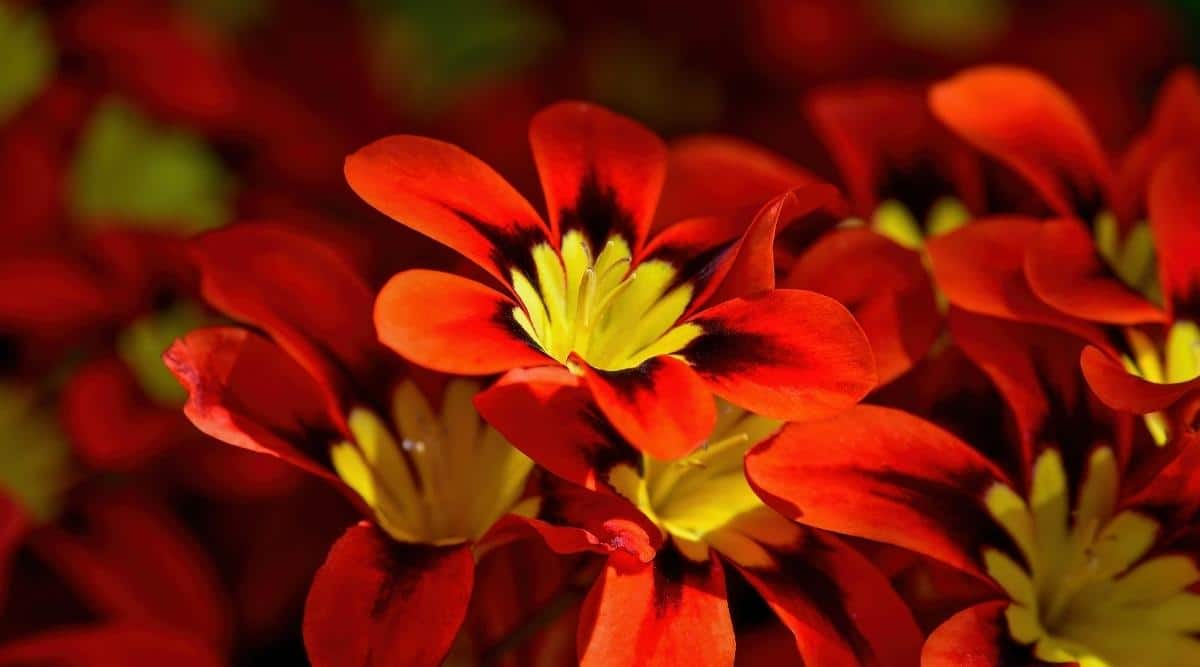
The Harlequin Flower is a small, bulbous plant that typically grows 12 to 18 inches tall. It produces bright, funnel-shaped flowers with six petals that form a star-like pattern. Each flower is known for its stunning mix of colors, usually featuring a combination of orange, yellow, red, pink, purple, or white, often with a contrasting dark center or inner ring.

This dazzling flower blooms in late spring to early summer, and each stem bears multiple blooms, creating a vibrant display. The plant’s narrow, sword-shaped leaves form a clump at the base, providing a fresh green backdrop for the vivid flowers. Harlequin Flowers are native to South Africa and are well-suited for Mediterranean and temperate climates.

Ideal Growing Conditions

The Harlequin Flower is relatively easy to grow, provided it is planted in the right conditions. Here are the key factors to ensure successful cultivation:

  • Sunlight: Harlequin Flowers thrive in full sun to partial shade. In cooler regions, they benefit from full sun exposure, while in hotter areas, some afternoon shade can help protect the plant from intense heat.
  • Soil: Well-drained soil is essential for growing Harlequin Flowers. They prefer sandy or loamy soils but can tolerate a variety of soil types as long as drainage is good. Avoid waterlogged soils, as excess moisture can cause the bulbs to rot.
  • Watering: During the growing season, water regularly to keep the soil moist but not soggy. Once the flowers have finished blooming, reduce watering, allowing the foliage to die back naturally.
  • Planting: Plant the bulbs in the fall, around 2 to 3 inches deep and 4 inches apart, for spring blooms. In colder climates, Harlequin Flowers can be grown in pots and brought indoors during the winter months.

Benefits of Planting Harlequin Flowers

Harlequin Flowers offer numerous benefits that make them a delightful addition to any garden:

  • Vibrant Colors: With their wide range of colors and bold contrasts, Harlequin Flowers create a lively and cheerful display that brightens up garden beds, borders, and containers.
  • Compact Size: Their relatively small size makes them ideal for planting in small spaces, rock gardens, or containers, where their vivid blooms can be easily admired up close.
  • Low Maintenance: Once established, Harlequin Flowers require little care beyond occasional watering and deadheading to encourage more blooms.
  • Pollinator Attraction: The bright colors and nectar of Harlequin Flowers attract pollinators like bees and butterflies, making them a great choice for pollinator-friendly gardens.

Creative Garden Uses

The Harlequin Flower’s bold colors and compact growth habit make it a versatile choice for various garden settings. Plant them in rock gardens, where their vibrant blooms contrast beautifully with stones and gravel. They also make excellent border plants, adding splashes of color along pathways or in front of taller plants. Harlequin Flowers can be mass-planted for a striking display of mixed colors, or they can be used in containers and window boxes to bring a burst of color to patios, balconies, or small spaces.

For a dynamic garden display, consider pairing Harlequin Flowers with other spring-blooming bulbs, such as tulips, daffodils, and alliums. Their rich colors and varied hues will complement other flowering plants and create a stunning garden tapestry.

Conclusion

The Harlequin Flower is a charming and vibrant addition to any garden, offering a burst of color and interest in late spring and early summer. Its striking star-shaped flowers, combined with its ease of care, make it an excellent choice for gardeners looking to add a splash of color to borders, rock gardens, or containers. Whether you’re planting them in mass displays or using them as a colorful accent, Harlequin Flowers are sure to bring joy and beauty to your garden.

The Distinctive Beauty of the Fiddleneck Flower

love4livi.com – The Fiddleneck flower (Amsinckia spp.) is a captivating wildflower known for its unique, coiled flower clusters that resemble the shape of a violin or fiddle neck. This charming plant, native to North America, is often found in arid landscapes and open fields, adding a burst of color with its bright yellow, orange, or red blooms. With its eye-catching appearance and ability to thrive in tough conditions, the Fiddleneck flower has earned a place in wildflower gardens and natural landscapes.

What Makes the Fiddleneck Flower Special?

The Fiddleneck flower is easily recognizable by its distinctive curled clusters of tubular flowers. These flowers typically bloom in a range of warm colors, including yellow, orange, and red, and they appear in dense, spiral-shaped clusters that resemble the scroll of a violin or fiddle. This unique growth pattern is where the plant gets its name.

Fiddleneck flowers are commonly found in dry, open areas such as hillsides, meadows, and roadsides, particularly in the western United States. They thrive in regions with poor soil quality and little moisture, making them well-suited to xeriscaping and drought-tolerant gardens. The plant’s ability to bloom in challenging environments has made it a favorite for naturalizing in wildflower gardens.

Key Features of the Fiddleneck Flower

  • Coiled Flower Clusters: The most distinctive feature of the Fiddleneck flower is its spiral-shaped flower clusters, which resemble the neck of a violin or fiddle. These coils start as buds and unfurl over time, creating a striking visual display.
  • Vibrant Coloration: Fiddleneck flowers come in a variety of warm colors, including bright yellow, orange, and red. These vibrant colors attract pollinators, including bees and butterflies, making the plant a valuable addition to pollinator gardens.
  • Drought Tolerance: Fiddleneck flowers are well-suited to dry, arid climates and can survive in poor soil conditions. They are drought-tolerant once established and are ideal for xeriscaping or low-water gardens.
  • Wildflower Appeal: The Fiddleneck is often found in wildflower meadows and naturalized landscapes. Its distinctive flower clusters make it an excellent choice for gardeners looking to create a naturalistic or wildflower-inspired garden.

Symbolism of the Fiddleneck Flower

The Fiddleneck flower, with its unique spiral blooms, is often associated with creativity, musicality, and natural beauty. Its coiled shape, reminiscent of a musical instrument, symbolizes harmony and artistic expression. In some cultures, the flower’s vibrant colors represent joy and energy, bringing a lively touch to the garden.

Growing the Fiddleneck Flower

The Fiddleneck flower is an easy-to-grow plant that thrives in dry, sunny conditions. Here are some essential tips for growing this unique and beautiful wildflower:

  • Sunlight: Fiddleneck flowers perform best in full sun, where they can receive at least 6 hours of direct sunlight each day. The sun exposure encourages strong blooming and helps the plant develop its characteristic spiral flower clusters.
  • Soil: This plant is well-suited to poor, well-draining soil. Fiddneck flowers do not require rich or fertile soil, making them ideal for rocky or sandy areas. Good drainage is essential to prevent root rot, especially in damp or heavy soils.
  • Watering: Fiddleneck flowers are drought-tolerant once established and only need occasional watering during dry spells. However, overwatering should be avoided, as the plant thrives in arid conditions and does not fare well with excessive moisture.
  • Sowing Seeds: Fiddleneck flowers are typically grown from seeds. Plant the seeds in early spring, either directly in the ground or in pots, after the last frost. The seeds can be broadcasted in naturalistic gardens or wildflower meadows for a natural look.
  • Maintenance: The Fiddleneck flower requires minimal maintenance once established. Removing dead or spent flowers will help keep the plant looking tidy, but it’s not necessary to prune extensively. The plant can reseed itself and spread naturally in the garden.

Uses of the Fiddleneck Flower

  • Wildflower Gardens: The Fiddleneck flower is a fantastic addition to wildflower gardens, adding a unique and colorful element to the landscape. Its coiled flower clusters and vibrant colors make it a standout plant in a meadow or native garden.
  • Xeriscaping: Due to its drought-tolerant nature, the Fiddleneck is an excellent choice for xeriscaping. It thrives in low-water gardens, where it can provide beauty and interest without requiring excessive irrigation.
  • Pollinator Gardens: Fiddleneck flowers attract a variety of pollinators, including bees, butterflies, and hummingbirds. Incorporating them into a pollinator-friendly garden helps support local ecosystems and encourages biodiversity.
  • Naturalized Landscapes: The Fiddleneck flower is perfect for naturalizing landscapes or planting in areas that mimic its native habitat. It grows well in open fields, roadsides, and meadows, creating a wild, untamed aesthetic in the garden.

Conclusion

The Fiddleneck flower is a striking and resilient plant that brings vibrant color and unique beauty to gardens and landscapes. Its distinctive spiral-shaped flower clusters and ability to thrive in challenging, dry conditions make it a favorite among gardeners who want to create low-maintenance, drought-tolerant gardens. Whether used in wildflower meadows, xeriscaping projects, or pollinator gardens, the Fiddleneck flower adds a touch of nature’s charm and artistic flair. With its striking appearance and hardy nature, the Fiddleneck is sure to be a standout plant in any garden.

Catmint: A Hardy Perennial with Fragrant Blooms

love4livi.com Catmint (Nepeta), a member of the mint family, is a versatile and hardy perennial known for its soft, aromatic foliage and abundant spikes of delicate, lavender-blue flowers. It is a favorite among gardeners not only for its beauty but also for its drought tolerance, long blooming season, and attractiveness to pollinators like bees and butterflies. Catmint is often grown as an ornamental plant in borders, rock gardens, or as ground cover, and its easy-to-grow nature makes it a reliable choice for a variety of garden styles.

Botanical Description

Catmint is a low-growing, clump-forming plant that typically reaches heights of 1 to 3 feet, depending on the variety. It features silvery-green, slightly hairy leaves with a distinct, aromatic scent that resembles mint. The foliage is known for its resilience and ability to repel certain pests, making it a natural choice for pest-resistant gardens.

From late spring through summer, Catmint produces spikes of small, tubular flowers in shades of lavender, blue, white, or pink. The flowers bloom prolifically, creating a soft, romantic look in the garden that lasts for months. Some varieties, such as Nepeta ‘Walker’s Low’, are particularly prized for their extended blooming season and compact, tidy growth habit.

Habitat and Growth Conditions

Catmint thrives in USDA zones 3 to 8 and is well-suited for sunny, dry areas where other plants may struggle. It prefers full sun but can tolerate light shade, though flowering may be reduced in shadier spots. The plant grows best in well-drained soil and is highly drought-tolerant once established, making it ideal for low-water gardens, xeriscaping, or rock gardens.

Due to its hardiness and low-maintenance nature, Catmint is often grown in difficult spots where other plants may not thrive, such as slopes, dry banks, or areas with poor soil. It can also tolerate some foot traffic, making it suitable as a ground cover.

Ecological Importance

Catmint is an excellent choice for pollinator-friendly gardens, as it attracts bees, butterflies, and other beneficial insects with its abundant nectar. The flowers are a magnet for pollinators, making the plant a valuable addition to any garden designed to support local wildlife.

Additionally, Catmint is known for its pest-repellent properties. The aromatic oils in its leaves deter a variety of garden pests, including aphids and certain types of beetles, making it a great companion plant for vegetables or other ornamentals.

Cultivation and Care

Catmint is easy to grow and requires minimal care once established. It can be propagated from seeds, cuttings, or by dividing mature plants. When planting Catmint, space the plants about 12 to 18 inches apart to allow for their spreading habit. In well-drained soil, Catmint will quickly establish itself and begin to spread, forming a dense mat of foliage and flowers.

Water the plant regularly during the first growing season to help establish its roots. Once established, Catmint is drought-tolerant and only needs occasional watering during prolonged dry periods. Overwatering should be avoided, as the plant prefers well-drained soil and can suffer in overly wet conditions.

To encourage continued blooming throughout the season, deadhead spent flowers regularly. In mid-summer, Catmint can be sheared back by about one-third to promote a second flush of blooms and keep the plant looking neat. Fertilizing is generally unnecessary, as Catmint thrives in lean soils, but a light application of compost in the spring can help boost growth.

Ornamental Uses

Catmint’s soft, billowing habit and long-lasting blooms make it an excellent choice for borders, edging, and cottage gardens. Its silvery-green foliage pairs beautifully with other perennials, such as roses, peonies, and lavender, creating a charming, romantic look in the garden. In mixed borders, Catmint adds texture and color without overwhelming other plants.

Catmint is also a great choice for rock gardens or dry slopes, where its drought tolerance and low-maintenance nature shine. It can be used as a ground cover in sunny areas, creating a dense mat of foliage that suppresses weeds and adds visual interest throughout the growing season.

For container gardens, smaller varieties of Catmint, such as Nepeta faassenii, can be grown in pots to add color and fragrance to patios, balconies, or entryways.

Catmint vs. Catnip

While Catmint and Catnip (Nepeta cataria) are closely related, they are different plants with distinct uses. Catnip is known for its stimulating effect on cats, due to a compound called nepetalactone in its leaves. Catmint, on the other hand, has a milder scent and is less attractive to cats. Though both plants are part of the same family, gardeners looking for ornamental appeal and garden performance often choose Catmint for its showy flowers and garden-friendly characteristics.

Conclusion

Catmint is a reliable, beautiful, and easy-to-grow perennial that offers months of color, fragrance, and pollinator support. Its drought tolerance, low-maintenance nature, and resistance to pests make it a valuable addition to a wide range of garden settings, from cottage gardens to rock gardens and borders. Whether grown for its attractive flowers or aromatic foliage, Catmint is a must-have plant for gardeners looking to add charm and resilience to their landscapes.

Bleeding Heart: A Romantic and Elegant Flower for the Garden

love4livi.com – The Bleeding Heart, scientifically known as Dicentra spectabilis, is a truly unique and romantic flower that brings an air of elegance and charm to any garden. Known for its heart-shaped blooms that appear to “bleed” with a delicate drop of color, this perennial is celebrated for its beauty and striking appearance. Its graceful pendulous flowers and soft, fern-like foliage make it a favorite among gardeners looking to add a touch of whimsical romance to shaded areas and woodland gardens.

Appearance and Characteristics

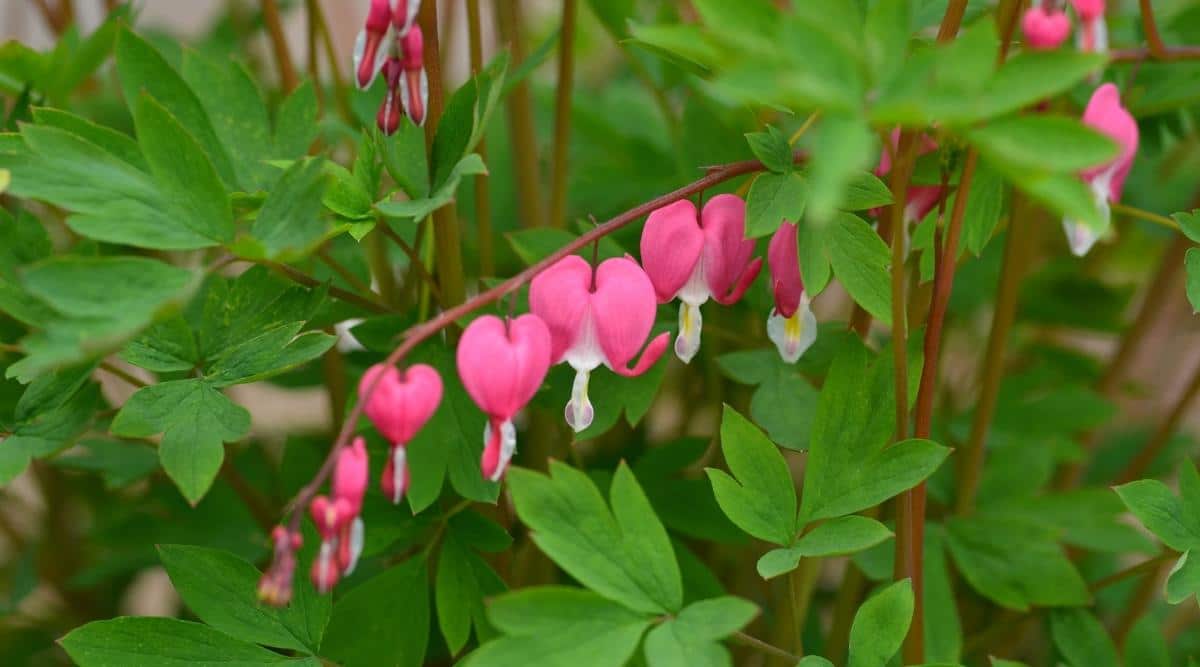
The Bleeding Heart flower is instantly recognizable by its distinctive shape and color. The plant produces heart-shaped blooms that hang from arching stems, with each flower featuring a drop of color that resembles a tear or a droplet of blood, giving it its common name. The blooms are typically pink or red, although white varieties (Dicentra spectabilis ‘Alba’) exist as well, offering a softer, more ethereal appearance. Each individual flower measures around 1 to 2 inches (2.5 to 5 cm) in length and is suspended from delicate, arching stems that give the plant a graceful, drooping look.

The foliage of the Bleeding Heart is equally appealing, with finely divided, fern-like leaves that form a mound of lush greenery. The leaves add texture and depth to the plant, complementing the striking flowers. The plant itself can grow to a height of 2 to 3 feet (60 to 90 cm), with a spread of around 18 inches (45 cm), making it a perfect addition to shaded borders or woodland gardens.

The Bleeding Heart typically blooms in spring to early summer, with its flowers appearing for several weeks. After the bloom period ends, the plant’s foliage may begin to fade, especially in hot, dry conditions. However, in cooler and shadier environments, the foliage can remain attractive throughout the growing season, providing a soft, textured backdrop for other plants.

Growing Conditions and Care

Bleeding Heart thrives in cool, shady environments, making it ideal for planting in areas with dappled sunlight or full shade. It prefers moist, well-drained soil that is rich in organic matter. This plant is naturally found in woodland settings, where it grows in the cool, moist conditions beneath trees or shrubs. It will do best in USDA hardiness zones 3 to 9, and it is particularly suitable for regions with cooler summers.

While the Bleeding Heart is somewhat tolerant of dry soil once established, it performs best when it receives consistent moisture, especially during the blooming season. The plant is not particularly drought-tolerant, so it’s important to keep the soil evenly moist, but not waterlogged. Mulching around the base of the plant can help retain moisture and keep the roots cool.

Bleeding Heart prefers slightly acidic to neutral soil, though it is adaptable to various soil types as long as they are well-drained. If grown in containers, it’s important to use a high-quality potting mix with good drainage to prevent root rot. This plant is sensitive to root disturbance, so it’s best to plant it in a spot where it can remain undisturbed for several years.

In terms of maintenance, Bleeding Heart requires minimal care. Once established, it will require little more than occasional watering and fertilization. In early spring, applying a balanced, slow-release fertilizer can help promote healthy growth and abundant blooms. After blooming, cutting back the spent flowers and foliage can help maintain the plant’s appearance and encourage new growth.

Benefits and Uses

The Bleeding Heart is an excellent choice for shaded garden areas, where its graceful flowers and fern-like foliage can bring a touch of elegance to otherwise dark spaces. It works well in woodland gardens, shady borders, or as a specimen plant in the front or middle of garden beds. Its soft, romantic appearance makes it a perfect plant for a cottage garden or a serene, tranquil landscape.

In addition to its beauty, the Bleeding Heart is a great companion plant for other woodland or shade-loving plants such as hostas, astilbes, and ferns. The soft textures of these plants pair well with the striking blooms of the Bleeding Heart, creating a harmonious, layered look in the garden.

Though it is not commonly used as a cut flower due to its delicate nature, the Bleeding Heart’s distinctive shape makes it a showstopper in any garden display, and it is often admired for its symbolic value.

Symbolism and Cultural Significance

The Bleeding Heart has rich symbolic meaning in many cultures. Its heart-shaped flowers have long been associated with love, loss, and sorrow. In the language of flowers, the Bleeding Heart symbolizes romantic longing or unrequited love, as the shape of the flower suggests a heart being pierced or broken. It is also associated with deep emotions, sentimentality, and compassion, making it a thoughtful gift for someone experiencing heartache or needing comfort.

In addition to its emotional symbolism, the Bleeding Heart is often associated with springtime renewal and rebirth, as it blooms in the early months of the season, signaling the return of life and color to the garden after winter.

Conclusion

The Bleeding Heart is a flower that embodies both elegance and emotional depth, making it a cherished addition to any garden. With its unique, heart-shaped blooms and delicate, fern-like foliage, it adds a romantic and whimsical touch to shaded areas, woodland gardens, and cottage-style landscapes. Its cool, moist-growing conditions make it a perfect plant for shaded borders or under the canopy of trees, while its beautiful flowers continue to captivate gardeners each spring. Whether planted as a specimen or grouped with other shade-loving plants, the Bleeding Heart will enchant and evoke a sense of beauty and tenderness wherever it grows.

American Wisteria: The Native Climbing Beauty

love4livi.com – American Wisteria (Wisteria frutescens) is a stunning, native flowering vine that produces cascading clusters of fragrant, purple-blue flowers. Unlike its more aggressive Asian counterparts, American Wisteria is a more restrained and manageable species, making it a popular choice for gardens and landscapes in North America. This deciduous vine brings elegance and charm to arbors, trellises, and pergolas, with its beautiful blooms adding a touch of romance to outdoor spaces.

Key Features of the American Wisteria

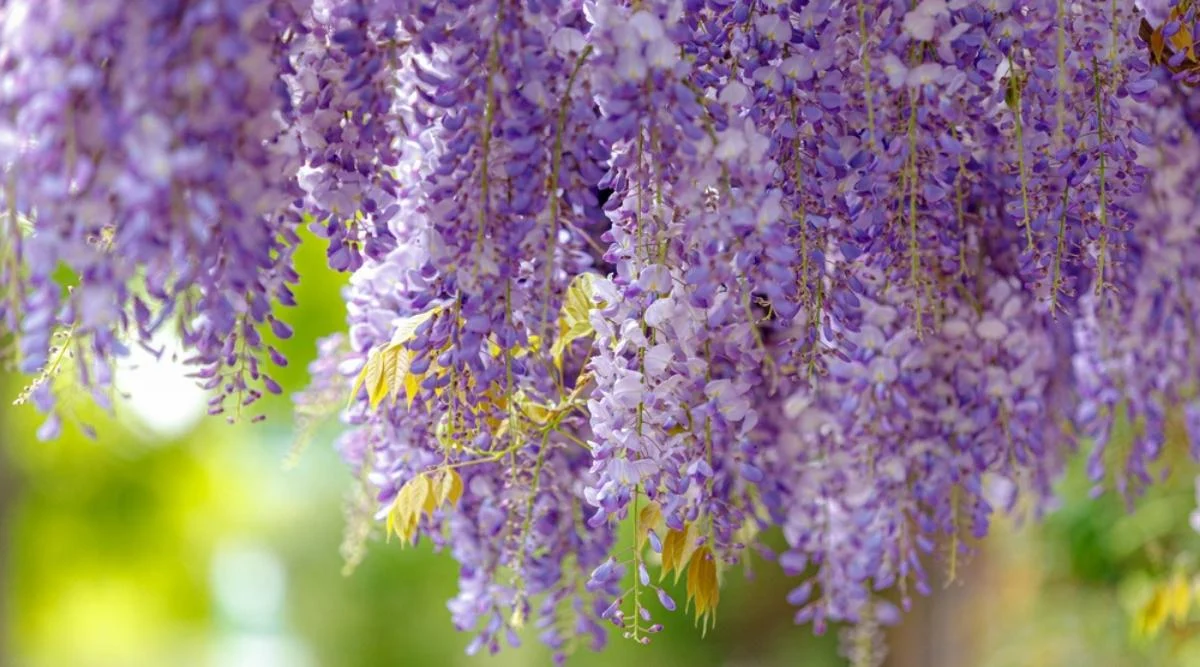
  1. Fragrant, Showy Flowers: The most striking feature of American Wisteria is its dense clusters of lavender, blue, or purple flowers, which bloom in late spring to early summer. These racemes can reach up to 6 inches in length, shorter than the flowers of Asian varieties but no less beautiful. The blossoms are not only visually appealing but also emit a sweet, pleasant fragrance that attracts bees, butterflies, and other pollinators.
  2. Tamer Growth Habit: American Wisteria is a more manageable vine compared to the highly aggressive growth of its Asian cousins, such as Japanese (Wisteria floribunda) and Chinese wisteria (Wisteria sinensis). It typically grows up to 15-30 feet in length, making it ideal for smaller gardens or controlled spaces. Its moderate growth rate and non-invasive nature make it a great choice for gardeners who want the beauty of wisteria without the worry of it overtaking their landscape.
  3. Hardy and Long-Lived: American Wisteria is a hardy vine that can live for many years once established. It is native to the southeastern United States and is well-suited to USDA zones 5-9. It can withstand colder temperatures better than some of the more sensitive Asian species and is more adaptable to varying soil types.
  4. Glossy Foliage: The vine produces attractive, glossy, green leaves that add texture to garden spaces. The compound leaves consist of 9-15 leaflets and provide a lush, green backdrop to the vibrant flower clusters during the growing season. In the fall, the foliage turns a soft yellow before dropping for winter dormancy.
  5. Attractive Seed Pods: After the flowering period, American Wisteria produces attractive, velvety seed pods that can be up to 5 inches long. These pods persist through the winter, adding interest to the garden even after the blooms have faded.

Growing and Caring for American Wisteria

  • Sunlight: American Wisteria thrives in full sun to partial shade. For the best flower production, it is recommended to plant this vine in a location that receives at least 6 hours of direct sunlight each day.
  • Soil: This plant prefers well-drained, moist soil but is tolerant of a range of soil types, including clay, loam, and sandy soils. Although it prefers slightly acidic to neutral pH, American Wisteria is adaptable and can thrive in different soil conditions as long as it is not waterlogged.
  • Watering: During its first year, American Wisteria should be watered regularly to help establish a strong root system. Once established, it is drought-tolerant and requires minimal watering, though it benefits from supplemental watering during prolonged dry periods.
  • Pruning: Regular pruning is essential to control the size and shape of American Wisteria. It blooms on new growth, so pruning in late winter or early spring encourages more abundant flowering. Remove any dead or weak stems, and cut back the long shoots to promote more lateral branching and a fuller, more compact vine.
  • Support Structures: Because American Wisteria is a climbing vine, it needs sturdy support to grow vertically. It is commonly trained on trellises, arbors, pergolas, or fences. Be sure the support structure is strong enough to handle the weight of the mature vine, as it can become quite heavy over time.

Popular Uses of American Wisteria

  1. Arbors and Pergolas: American Wisteria is a favorite for covering arbors, pergolas, and garden arches, creating a romantic, shaded retreat in the garden. Its cascading blooms and dense foliage make it ideal for adding vertical interest to outdoor spaces.
  2. Trellises and Fences: This vine can also be trained to climb trellises, fences, or walls, providing an attractive screen or living fence. Its climbing nature makes it perfect for enhancing the beauty of garden structures.
  3. Wildlife Habitat: The fragrant flowers of American Wisteria attract a variety of pollinators, including bees and butterflies. Its dense foliage also provides cover for birds and small animals, making it a valuable addition to wildlife-friendly gardens.
  4. Containers: While less common, American Wisteria can be grown in large containers and trained to climb trellises or frames, making it suitable for patios and smaller garden spaces.

Differences Between American and Asian Wisteria

While American Wisteria shares many similarities with its Asian counterparts, there are key differences that make it a more suitable choice for North American gardens:

  • Non-Invasive Nature: Unlike Chinese and Japanese wisteria, which are known to be invasive in many parts of the United States, American Wisteria is not invasive and can be planted without fear of it taking over the landscape.
  • Shorter Flower Clusters: The flower racemes of American Wisteria are generally shorter (6 inches) compared to the longer racemes of Chinese and Japanese varieties, which can reach up to 18 inches or more. While smaller, American Wisteria flowers are still beautiful and fragrant.
  • Cold Hardiness: American Wisteria is better suited to colder climates than Asian species. It is more frost-tolerant and can thrive in USDA zones 5-9, making it a better option for gardeners in northern regions.

Ecological Importance

As a native plant, American Wisteria plays an important role in supporting local ecosystems. Its flowers provide nectar for pollinators like bees, butterflies, and hummingbirds, while its dense foliage offers shelter for birds and other small wildlife. By choosing American Wisteria over non-native, invasive species, gardeners can help preserve biodiversity and support native wildlife.

Conclusion

American Wisteria is a beautiful and versatile vine that adds charm and elegance to any garden. With its fragrant, purple-blue flowers and manageable growth habit, it is an ideal choice for covering trellises, arbors, and pergolas without the aggressive tendencies of its Asian relatives. Whether you’re looking to create a romantic garden retreat or add vertical interest to your landscape, American Wisteria offers a native, non-invasive option that brings both beauty and ecological benefits to your outdoor spaces.

Deadly Delights: The Poisonous Plants That Lurk in Your Garden

love4livi.com – The allure of a lush, vibrant garden is undeniable, but hidden among the beauty may be a sinister secret: poisonous plants that pose a risk to both humans and animals. These “deadly delights” are often unassuming, blending in with their benign neighbors, yet they can cause serious harm if ingested or handled improperly. In this article, we’ll explore some of the most common toxic plants that might be lurking in your garden and how to identify and manage them.

The Dangerous Dozen: A Guide to Common Poisonous Plants

Among the myriad of plants that could be harboring toxic properties, a few stand out as particularly dangerous. These include the deadly nightshade (Atropa belladonna), foxglove (Digitalis purpurea), oleander (Nerium oleander), castor bean plant (Ricinus communis), and lily of the valley (Convallaria majalis). Each of these plants contains potent toxins that can lead to severe illness or even death if consumed.

Identifying the Culprits: What to Look For

Knowing how to identify poisonous plants is crucial for garden safety. Deadly nightshade, for example, is recognizable by its glossy leaves and bell-shaped, purple-black berries. Foxglove boasts tall spires of pink or purple flowers, while oleander’s clusters of fragrant blooms come in various colors. The castor bean plant has large, palmate leaves and spiky seedpods, and lily of the valley is characterized by its delicate, bell-shaped white flowers and whorled leaves.

The Risks: Who and What is at Risk?

Children and pets are especially vulnerable to the dangers of poisonous plants, as they are more likely to ingest parts of the plant out of curiosity. Additionally, gardeners who come into contact with the sap or leaves of these plants may experience skin irritation or allergic reactions. It’s important to be aware of these risks and take appropriate precautions.

Managing Toxic Plants: Safety First

If you choose to include toxic plants in your garden, it’s essential to take steps to manage the risks. This includes keeping these plants out of reach of children and pets, wearing gloves when handling them, and educating yourself and your family about the dangers they pose. In some cases, it may be best to remove these plants entirely, especially if there’s a high risk of accidental ingestion.

Alternatives to Toxic Plants: Beauty Without the Risk

Fortunately, there are many non-toxic alternatives that can provide the same aesthetic appeal without the danger. Consider replacing toxic plants with safer options such as lavender, roses, sunflowers, or marigolds. These plants offer vibrant colors and pleasant aromas without the threat of poisoning.

Conclusion

While the allure of a beautiful garden is strong, it’s important to be mindful of the potential dangers that may be lurking among the foliage. By identifying and managing poisonous plants, you can create a safe and enjoyable environment for everyone to appreciate. Remember, a little knowledge and caution can go a long way in preventing accidents and ensuring that your garden remains a place of beauty and tranquility, free from hidden hazards.