
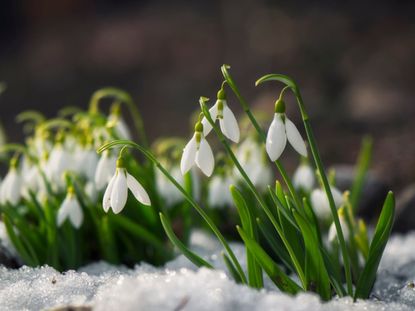
love4livi.com – The Snowdrop Windflower (Anemone sylvestris) is a charming perennial that brings delicate beauty to gardens in early spring. With its white, snowdrop-like flowers and airy, fern-like foliage, this plant is a standout for gardeners looking to add a touch of elegance to their landscapes. Native to Europe and parts of Asia, the Snowdrop Windflower is prized for its early bloom time, often emerging as one of the first signs of spring.
Physical Characteristics of the Snowdrop Windflower
The Snowdrop Windflower is a low-growing perennial that typically reaches a height of 6 to 12 inches. It is known for its striking white flowers, which resemble those of the Snowdrop (Galanthus nivalis), with six petals that form a star-like shape. These blooms appear in early spring, often in March or April, when the ground is still cool and the first hints of warmer weather are on the horizon.
The flowers of the Snowdrop Windflower are typically about 1 to 2 inches in diameter and are borne on slender, leafless stems that rise above the foliage. The plant’s leaves are deeply lobed and fern-like, adding a soft, feathery texture to the overall appearance. After the flowers have faded, the foliage remains attractive throughout the growing season, with its bright green color offering a nice contrast to other plants in the garden.
Growing Conditions and Care
Snowdrop Windflowers thrive in well-drained, slightly alkaline soil and prefer locations with full to partial sun. They are adaptable to a variety of growing conditions but tend to perform best in moist, but not waterlogged, soil. This plant is particularly well-suited to woodland gardens, rock gardens, or the edges of garden beds, where its early flowers can brighten up the landscape.
These plants are relatively easy to care for and are hardy in USDA zones 4 to 8. They require regular watering, especially during dry spells, but once established, they are relatively drought-tolerant. Snowdrop Windflowers can be divided and transplanted during the dormant period in the fall or early spring, helping to maintain healthy growth and encourage the spread of this beautiful perennial.
Deadheading the spent flowers will help maintain the plant’s tidy appearance, but the foliage can be left to die back naturally in late spring or early summer. In colder climates, a light layer of mulch in the winter can help protect the roots from frost.
Ecological Role of Snowdrop Windflower
The Snowdrop Windflower serves an important role in early spring ecosystems, as its blooms provide an early source of nectar for pollinators such as bees and butterflies. These early-season visitors help to pollinate the flowers, ensuring the plant can produce seeds for future generations. By planting Snowdrop Windflowers, gardeners can help support these essential pollinators, particularly in areas where early-season food sources may be scarce.
In addition to attracting pollinators, the Snowdrop Windflower’s dense foliage can help suppress weeds in the garden, making it a useful companion plant for keeping garden beds neat and tidy.
Varieties of Snowdrop Windflower
While Anemone sylvestris is the most commonly grown species of Snowdrop Windflower, there are some other varieties and cultivars that offer different flower forms or growth habits. Some notable varieties include:
- Anemone sylvestris ‘Double Snowdrop’: This variety features double flowers with extra petals, offering a fuller, more rounded bloom that resembles a miniature snowball.
- Anemone sylvestris ‘Alba’: This cultivar has slightly larger flowers and is known for its strong, upright growth habit, making it a great choice for taller garden designs.
These variations allow gardeners to choose a cultivar that best suits their landscape, whether they’re looking for extra fullness or more compact growth.
Uses in Landscaping
The Snowdrop Windflower is a versatile plant that can be used in a variety of landscaping applications, thanks to its early bloom time and attractive appearance. Some common uses include:
- Woodland Gardens: Snowdrop Windflowers are well-suited to woodland gardens, where their early blooms can emerge before the trees fully leaf out, creating a bright contrast against the bare branches.
- Rock Gardens: Their low-growing nature and delicate blooms make them perfect for planting in rock gardens, where they can spill over rocks and create a gentle, natural look.
- Borders and Edging: Snowdrop Windflowers can be used along garden borders or as an edging plant, adding early spring color without overwhelming taller plants.
- Container Gardens: These plants also do well in containers, where they can be showcased on patios, balconies, or front steps.
Their early blooms make them a perfect plant to combine with later-blooming spring flowers, such as tulips or daffodils, to create a staggered display of color throughout the season.
Conclusion
The Snowdrop Windflower is a lovely and low-maintenance perennial that adds a touch of grace and early-season beauty to any garden. With its delicate white flowers and fern-like foliage, it serves as a beacon of spring and a valuable food source for pollinators. Whether planted in woodland gardens, rock gardens, or borders, the Snowdrop Windflower brings elegance and charm to the landscape. Its ability to thrive in various growing conditions and its long-lasting appeal make it a must-have for gardeners seeking to create a diverse and vibrant garden.