
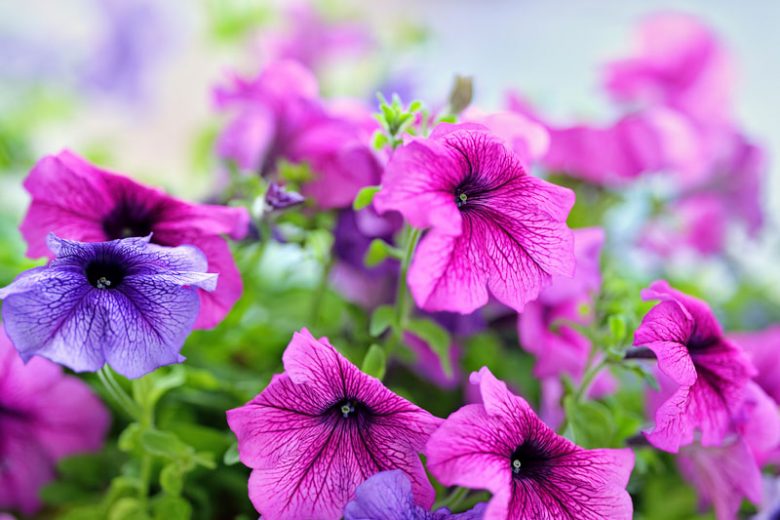
Petunia: A Colorful Addition to Your Garden

love4livi.com – Petunias are one of the most popular and versatile flowers in the world, known for their vibrant colors, variety of shapes, and long blooming season. Native to South America, Petunias have become a beloved addition to gardens, containers, and hanging baskets around the globe. With their bright and showy blooms, Petunias can bring a splash of color to any garden or outdoor space. Available in an array of colors including pink, purple, red, white, and yellow, as well as in multi-colored and ruffled varieties, Petunias are sure to suit any gardener’s aesthetic preferences.

Physical Characteristics

Petunias are herbaceous plants that can grow as trailing, spreading, or bushy plants, depending on the variety. They typically reach a height of 6 to 18 inches (15 to 45 cm) but can spread much wider, especially in hanging baskets or ground covers. The flowers are funnel-shaped with five petals, which often overlap, creating a lush, full look. The petals can be solid in color, or they may have subtle veins or patterns, adding to their visual appeal. Petunias also have a mild, pleasant fragrance, which can further enhance their appeal in garden settings. Their foliage is often green and can be slightly sticky to the touch, providing a contrasting backdrop for the vibrant flowers.

Growing Conditions

Petunias thrive in full sun, requiring at least six hours of direct sunlight per day to produce abundant blooms. They prefer well-drained, moderately fertile soil and benefit from regular watering. Petunias are relatively drought-tolerant once established, but they will bloom best when kept consistently moist, especially during hot summer months. Overwatering, however, should be avoided, as it can lead to root rot. These flowers are well-suited for garden beds, hanging baskets, containers, and window boxes. In colder climates, Petunias are grown as annuals, though they are treated as perennials in warmer regions. They are also highly adaptable to a range of soil types, as long as the drainage is adequate.

Uses in Gardening and Landscaping

Petunias are incredibly versatile in the landscape, offering a wide range of uses in gardens and outdoor spaces. They are often used as bedding plants, where they can create vibrant borders or fill empty spaces with color. Petunias also make excellent container plants, thriving in hanging baskets, patio pots, and window boxes. Their trailing habit makes them ideal for cascading over the edges of containers, creating a beautiful display. These flowers are also frequently used in hanging baskets, providing a cascading effect of color that can brighten up balconies, porches, and garden walls. Their ability to attract pollinators, such as bees and butterflies, adds ecological value to any garden setting.

Health and Medicinal Benefits

While Petunias are primarily cultivated for ornamental purposes, there are some anecdotal uses of Petunia flowers in traditional remedies. However, these plants are not widely recognized for their medicinal properties and should not be used for health purposes without professional guidance. Ingestion of parts of the plant may cause mild irritation or discomfort, and the flowers are best enjoyed for their beauty and fragrance rather than any medicinal benefits.

Ecological Importance

Petunias play a role in supporting pollinators like bees, butterflies, and hummingbirds, making them a valuable addition to any garden focused on attracting beneficial wildlife. The bright and fragrant blooms of Petunias draw these pollinators, contributing to the pollination of nearby plants and enhancing the biodiversity of your garden. Their widespread popularity also means they are often incorporated into community gardens and public spaces, where they help support local ecosystems.

Conclusion

Petunias are a timeless garden favorite, prized for their vibrant colors, long-lasting blooms, and versatility. Whether used in garden beds, hanging baskets, containers, or window boxes, Petunias add a cheerful touch to any outdoor space. Their ability to bloom profusely throughout the growing season and attract pollinators makes them a rewarding plant for both gardeners and nature lovers. With relatively low maintenance requirements and an array of colors and forms to choose from, Petunias are a must-have for anyone looking to create a beautiful, colorful, and inviting garden.
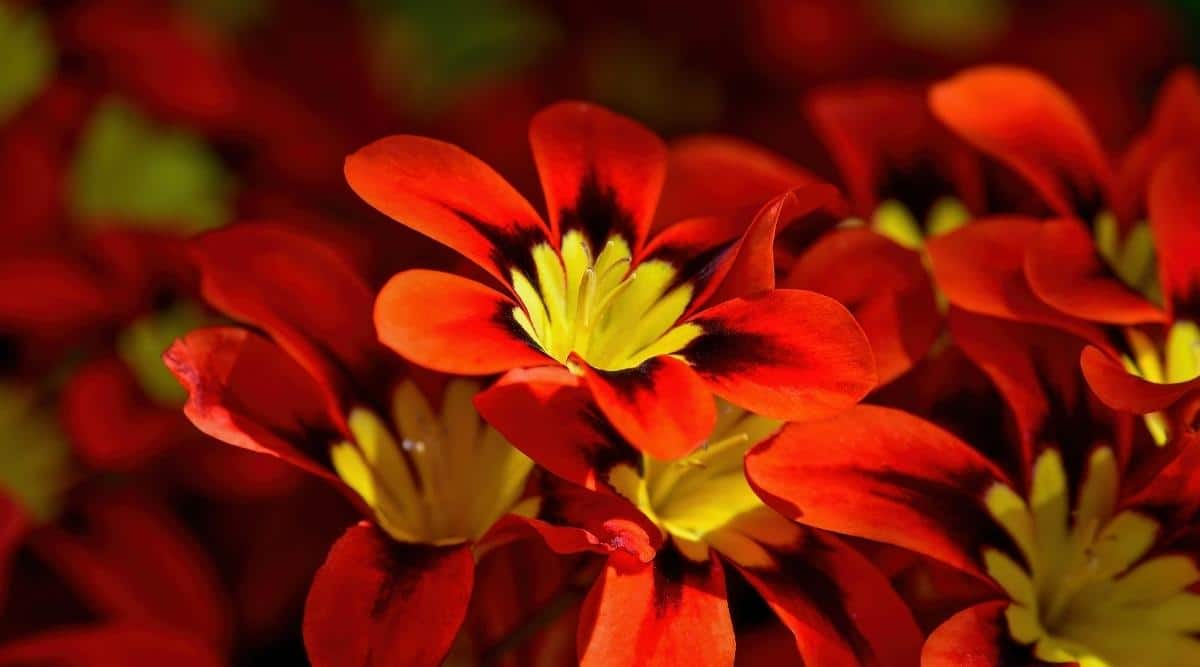
Harlequin Flower: Colorful & Striking Bloomer for Your Garden

love4livi.com – The Harlequin Flower (Sparaxis tricolor), also known as the Wandflower, is a vibrant and eye-catching perennial that bursts into color in late spring and early summer. Known for its striking star-shaped flowers in a kaleidoscope of colors, the Harlequin Flower is a popular choice for gardeners seeking to add a splash of brilliance to their landscapes. In this article, we’ll explore the characteristics, growing tips, and benefits of growing the Harlequin Flower.

Characteristics of the Harlequin Flower

The Harlequin Flower is a small, bulbous plant that typically grows 12 to 18 inches tall. It produces bright, funnel-shaped flowers with six petals that form a star-like pattern. Each flower is known for its stunning mix of colors, usually featuring a combination of orange, yellow, red, pink, purple, or white, often with a contrasting dark center or inner ring.

This dazzling flower blooms in late spring to early summer, and each stem bears multiple blooms, creating a vibrant display. The plant’s narrow, sword-shaped leaves form a clump at the base, providing a fresh green backdrop for the vivid flowers. Harlequin Flowers are native to South Africa and are well-suited for Mediterranean and temperate climates.

Ideal Growing Conditions

The Harlequin Flower is relatively easy to grow, provided it is planted in the right conditions. Here are the key factors to ensure successful cultivation:

  • Sunlight: Harlequin Flowers thrive in full sun to partial shade. In cooler regions, they benefit from full sun exposure, while in hotter areas, some afternoon shade can help protect the plant from intense heat.
  • Soil: Well-drained soil is essential for growing Harlequin Flowers. They prefer sandy or loamy soils but can tolerate a variety of soil types as long as drainage is good. Avoid waterlogged soils, as excess moisture can cause the bulbs to rot.
  • Watering: During the growing season, water regularly to keep the soil moist but not soggy. Once the flowers have finished blooming, reduce watering, allowing the foliage to die back naturally.
  • Planting: Plant the bulbs in the fall, around 2 to 3 inches deep and 4 inches apart, for spring blooms. In colder climates, Harlequin Flowers can be grown in pots and brought indoors during the winter months.

Benefits of Planting Harlequin Flowers

Harlequin Flowers offer numerous benefits that make them a delightful addition to any garden:

  • Vibrant Colors: With their wide range of colors and bold contrasts, Harlequin Flowers create a lively and cheerful display that brightens up garden beds, borders, and containers.
  • Compact Size: Their relatively small size makes them ideal for planting in small spaces, rock gardens, or containers, where their vivid blooms can be easily admired up close.
  • Low Maintenance: Once established, Harlequin Flowers require little care beyond occasional watering and deadheading to encourage more blooms.
  • Pollinator Attraction: The bright colors and nectar of Harlequin Flowers attract pollinators like bees and butterflies, making them a great choice for pollinator-friendly gardens.

Creative Garden Uses

The Harlequin Flower’s bold colors and compact growth habit make it a versatile choice for various garden settings. Plant them in rock gardens, where their vibrant blooms contrast beautifully with stones and gravel. They also make excellent border plants, adding splashes of color along pathways or in front of taller plants. Harlequin Flowers can be mass-planted for a striking display of mixed colors, or they can be used in containers and window boxes to bring a burst of color to patios, balconies, or small spaces.

For a dynamic garden display, consider pairing Harlequin Flowers with other spring-blooming bulbs, such as tulips, daffodils, and alliums. Their rich colors and varied hues will complement other flowering plants and create a stunning garden tapestry.

Conclusion

The Harlequin Flower is a charming and vibrant addition to any garden, offering a burst of color and interest in late spring and early summer. Its striking star-shaped flowers, combined with its ease of care, make it an excellent choice for gardeners looking to add a splash of color to borders, rock gardens, or containers. Whether you’re planting them in mass displays or using them as a colorful accent, Harlequin Flowers are sure to bring joy and beauty to your garden.