
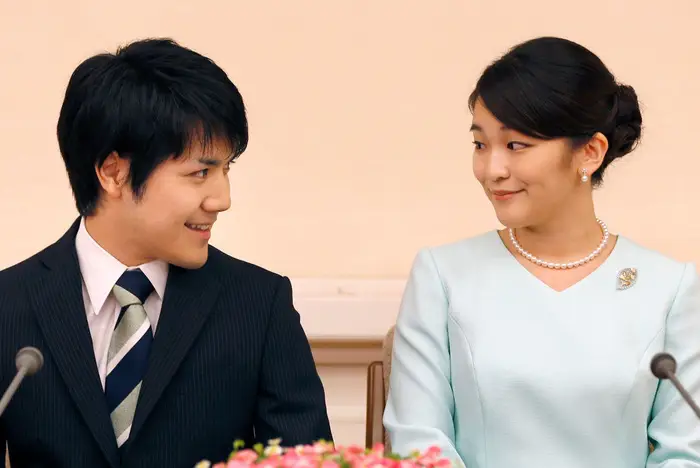
Princess Mako: A Royal Who Chose Love Over Tradition

love4livi.com – Princess Mako of Japan, the eldest daughter of Crown Prince Fumihito and Crown Princess Kiko, made headlines in 2021 when she chose to marry Kei Komuro, a commoner, and renounce her royal status. This decision marked a significant departure from centuries of imperial tradition, where members of the Japanese Imperial Family were expected to marry within the aristocracy. Her choice to marry for love, despite the controversies surrounding her engagement, reshaped perceptions of the role of women in the Japanese monarchy and sparked a broader conversation about the modernization of the Imperial Family.

Early Life and Royal Background

Princess Mako was born on October 23, 1991, at the University of Tokyo Hospital to Crown Prince Fumihito and Crown Princess Kiko. As the firstborn of the heir to the throne, her early life was carefully nurtured to prepare her for the responsibilities of royal life. She grew up under the watchful eye of the public, attending the prestigious Gakushuin school, followed by Gakushuin University, where she pursued a degree in Art and Cultural Heritage. Later, Princess Mako furthered her education at the University of Edinburgh in the United Kingdom, earning a master’s degree in Art History.

Throughout her youth, Princess Mako was expected to fulfill royal duties and represent the Imperial Family at various ceremonies and events. Despite her public duties, her parents sought to maintain a sense of normalcy for her and her younger siblings. This focus on a balanced, grounded upbringing allowed Princess Mako to cultivate a sense of independence and curiosity about the world beyond the Imperial Palace.

The Engagement to Kei Komuro

Princess Mako’s life took a pivotal turn in 2017 when she announced her engagement to Kei Komuro, a law student at the time, who was not of aristocratic or noble descent. The couple met in 2012 while both were students at the International Christian University in Tokyo. Their relationship blossomed into an engagement, which was formally announced by the Imperial Household in 2017.

However, the engagement quickly became the subject of intense media scrutiny. Komuro’s family faced financial controversy when it was revealed that his mother’s financial situation had been questioned. This sparked public debates about his suitability as a future consort for a member of the Imperial Family. While both Princess Mako and Kei Komuro maintained that their love for one another was genuine, the public backlash was significant. The couple faced continuous media attention, which ultimately delayed their wedding for several years.

Despite the controversies surrounding the engagement, Princess Mako remained resolute in her decision to marry Kei Komuro. Their commitment to one another was evident, and despite the external pressure, they continued to publicly affirm their plans to marry.

Renouncing Royal Status and Marrying for Love

In October 2021, after years of delays, Princess Mako and Kei Komuro married in a private, low-key ceremony at the Imperial Household Agency, without the traditional celebrations that typically accompany royal weddings in Japan. The decision to forgo a grand public wedding was a symbolic gesture, underscoring their desire for privacy and normalcy amid the intense media scrutiny.

Under Japanese law, members of the Imperial Family who marry commoners are required to renounce their royal status. Therefore, Princess Mako became a private citizen upon her marriage to Kei Komuro. This marked the end of her official role in the Imperial Family, and she was formally stripped of her title as princess. Her departure from the monarchy was a groundbreaking moment in Japanese history, as she became one of the first female members of the Imperial Family in modern times to renounce her title for the sake of marriage.

While her marriage and renouncement of royal status were met with mixed reactions, it represented a shift in the monarchy’s approach to modernity and individual rights. The choice to marry a commoner was seen by some as an expression of personal agency, especially in a monarchy where tradition often dictates strict rules regarding marriage and succession. Others, however, viewed it as a break from the historical expectations of royal life.

Life After Marriage

Following their marriage, Princess Mako and Kei Komuro moved to New York, where Kei Komuro had been working as a lawyer. Princess Mako has stated that she and her husband intend to live a private life, away from the public eye. While her departure from the Imperial Family has allowed her greater freedom, it has also meant that she no longer has the ceremonial and public responsibilities she once held as a princess.

Though she has given up her title, Princess Mako’s legacy continues to spark discussions about the role of women in the Japanese monarchy, as well as the evolving nature of royal traditions. Her decision to marry for love rather than for royal duty has become a symbol of the changing values in Japan’s Imperial Family. It is a reminder that even within one of the world’s oldest and most revered monarchies, personal happiness and choice are becoming more recognized and respected.

A Modernizing Influence

Princess Mako’s marriage and renunciation of her royal status marked a key moment in Japan’s royal history. Her decision reflected a broader trend of modernization within the Japanese monarchy, where traditional roles and expectations are being questioned in light of evolving societal values. Her choice to marry Kei Komuro was a powerful message about the changing perceptions of royal life in Japan—particularly the increasing recognition of individual rights, the role of women, and the evolving definition of royal duty.

Though her departure from the Imperial Family was controversial for some, it undeniably opened up important conversations about the future of the monarchy. Japan’s Imperial Household Law, which limits succession to male heirs, has been a subject of increasing scrutiny. Princess Mako’s situation—combined with the pressure to modernize the monarchy in response to dwindling male heirs—suggests that the future of Japan’s imperial system may look very different from the past.

Conclusion

Princess Mako’s life and choices continue to resonate in Japan and beyond. Her decision to marry Kei Komuro, a commoner, and step away from the royal family was a landmark event in the modern history of Japan’s monarchy. It has prompted discussions about royal traditions, gender roles, and the evolving nature of modern royal families around the world.

While Princess Mako may no longer hold the title of a royal princess, her legacy as a woman who prioritized love and personal happiness over tradition has left an indelible mark on the history of Japan’s Imperial Family. Her journey symbolizes the broader shift towards modernity and individual choice within the constraints of a long-established institution.
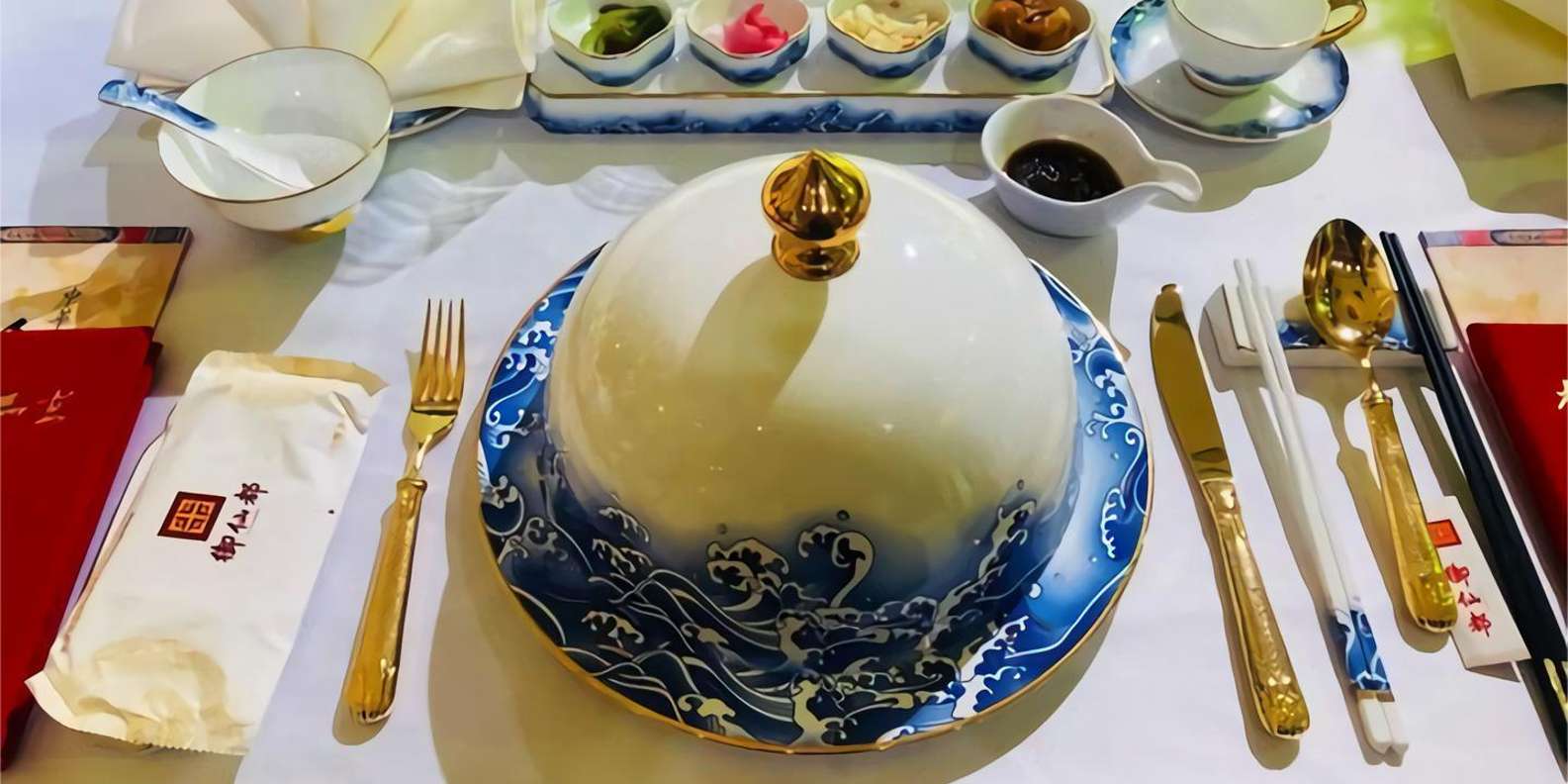
Imperial Indulgence: Royal Cuisine Unveiled

love4livi.com – Throughout history, the royal courts have been synonymous with opulence, power, and influence, not only in governance but also in the culinary arts. The dishes served at royal banquets were more than mere sustenance; they were a testament to the wealth, culture, and sophistication of their time. Let’s delve into the fascinating world of royal cuisine, where each bite tells a story of indulgence and heritage.

A Feast for the Senses: The Essence of Royal Cuisine

Royal cuisine was designed to impress. It was a sensory experience that combined visual artistry with complex flavors. Elaborate presentations were just as important as the taste itself, with dishes often resembling intricate sculptures. The use of rare and exotic ingredients, sourced from distant lands, was a common practice, as it showcased the kingdom’s reach and affluence.

The Influence of Geography and Trade

The diversity of royal cuisine often mirrored the geography and trade routes of a kingdom. Spices from the Orient, fruits from the tropics, and game from the local forests all found their way onto the royal table. These ingredients were not only valued for their flavor but also for their medicinal properties and symbolic meanings. Through trade and conquest, royal kitchens became melting pots of culinary innovation.

Culinary Masters: The Royal Chefs

Behind every royal feast was a team of skilled chefs, often considered artists in their own right. These culinary masters were tasked with creating dishes that would not only satisfy the royal palate but also amaze and entertain. Their expertise in blending flavors and their innovative techniques set the standards for haute cuisine, influencing culinary trends for generations.

Rituals and Traditions: Dining at the Royal Court

Dining in the royal court was a ritualistic affair, steeped in tradition and etiquette. Meals were often multi-course events, each course meticulously planned to complement the one before. The service was an orchestrated performance, with each dish presented with ceremonial grandeur. Such elaborate dining experiences reinforced social hierarchies and displayed the court’s cultural sophistication.

The Legacy of Royal Cuisine

Today, the legacy of royal cuisine continues to inspire modern chefs who seek to recreate the grandeur of the past. Many traditional dishes have been adapted for contemporary tastes, yet they retain the essence of their regal origins. The influence of royal cuisine can be seen in the emphasis on quality ingredients, the art of presentation, and the pursuit of culinary excellence.

Conclusion

Imperial indulgence in royal cuisine was more than just about food; it was an expression of power, culture, and artistry. As we explore the rich tapestry of flavors and traditions that defined these historic feasts, we gain a deeper appreciation for the culinary heritage that continues to shape our dining experiences today. Royal cuisine truly is a testament to the timeless allure of indulgence and refinement.

Celebrating Milestones of the Crown: Royal Anniversaries

love4livi.com – Throughout history, royal anniversaries have been occasions for grand celebrations, marking milestones of the crown that are steeped in tradition, pageantry, and public festivity. These anniversaries, whether they commemorate a monarch’s accession to the throne, a jubilee, or a royal wedding, are not just personal milestones for the royal family; they are also national and sometimes international events that bring people together in celebration and reflection.

The Significance of Royal Anniversaries

Royal anniversaries are significant for several reasons. Firstly, they provide an opportunity for the monarchy to demonstrate its enduring relevance and connection to the people. By celebrating these milestones, the royal family reinforces its role as a unifying symbol of the nation’s history, culture, and continuity. Secondly, these events often serve as a platform for showcasing the country’s heritage and traditions, from the grandeur of royal ceremonies to the intricacies of royal protocol. Lastly, royal anniversaries offer a moment of collective joy and pride, fostering a sense of community and national identity.

Types of Royal Anniversaries

Accession Anniversaries

An accession anniversary marks the day a monarch ascended to the throne. These anniversaries are celebrated with various events, including church services, public appearances, and sometimes, special broadcasts. The monarch’s reign is often reflected upon, highlighting their contributions and achievements.

Jubilees

Jubilees are significant milestones in a monarch’s reign, celebrated at intervals of 25, 50, and 75 years. The most common jubilees are the Silver Jubilee (25 years), Golden Jubilee (50 years), and Diamond Jubilee (60 years). These celebrations are marked by extensive public and official events, including parades, concerts, and the issuing of commemorative coins and stamps.

Royal Wedding Anniversaries

Royal wedding anniversaries are celebrated privately by the royal couple but are also marked publicly through media coverage and public well-wishes. Significant anniversaries, such as the 50th or 60th, may be celebrated with more elaborate events, including public appearances and charitable initiatives.

Celebrating Royal Anniversaries

The celebration of royal anniversaries varies depending on the occasion and the preferences of the reigning monarch. However, certain traditions are common to most celebrations:

  • Public Holidays and Events: Many royal anniversaries are marked by public holidays, allowing citizens to participate in the celebrations. Events such as parades, fireworks, and concerts are organized to entertain the public and honor the occasion.
  • Charitable Initiatives: Royal anniversaries often serve as a platform for promoting charitable causes. The royal family may launch initiatives or events that encourage public service and philanthropy.
  • Commemorative Items: The issuing of commemorative coins, stamps, and other memorabilia is a tradition that allows the public to collect physical reminders of the anniversary.
  • Media Coverage: The media plays a significant role in covering royal anniversaries, providing extensive reports, documentaries, and special broadcasts that educate the public about the significance of the milestone and the history of the monarchy.

Conclusion

Royal anniversaries are more than just celebrations of milestones; they are expressions of national pride, unity, and continuity. By marking these occasions with grand festivities and public engagement, the monarchy strengthens its bond with the people, ensuring that the crown remains a cherished symbol of the nation’s heritage and identity. As the world continues to evolve, these celebrations remind us of our past, inspire us in the present, and give us hope for the future.