Princess Mako: A Royal Who Chose Love Over Tradition

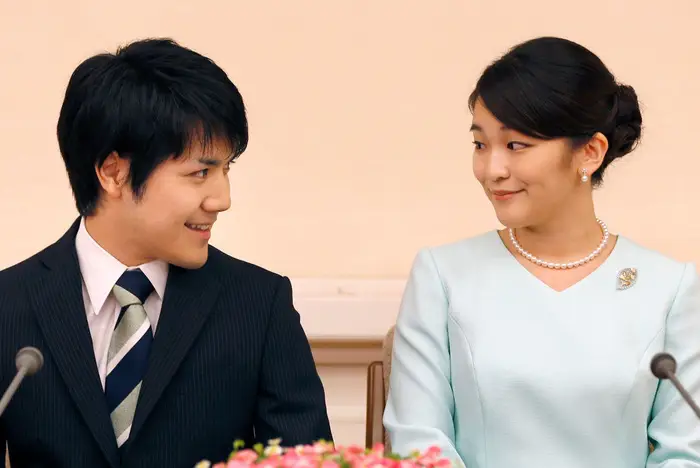
love4livi.com – Princess Mako of Japan, the eldest daughter of Crown Prince Fumihito and Crown Princess Kiko, made headlines in 2021 when she chose to marry Kei Komuro, a commoner, and renounce her royal status. This decision marked a significant departure from centuries of imperial tradition, where members of the Japanese Imperial Family were expected to marry within the aristocracy. Her choice to marry for love, despite the controversies surrounding her engagement, reshaped perceptions of the role of women in the Japanese monarchy and sparked a broader conversation about the modernization of the Imperial Family.

Early Life and Royal Background

Princess Mako was born on October 23, 1991, at the University of Tokyo Hospital to Crown Prince Fumihito and Crown Princess Kiko. As the firstborn of the heir to the throne, her early life was carefully nurtured to prepare her for the responsibilities of royal life. She grew up under the watchful eye of the public, attending the prestigious Gakushuin school, followed by Gakushuin University, where she pursued a degree in Art and Cultural Heritage. Later, Princess Mako furthered her education at the University of Edinburgh in the United Kingdom, earning a master’s degree in Art History.

Throughout her youth, Princess Mako was expected to fulfill royal duties and represent the Imperial Family at various ceremonies and events. Despite her public duties, her parents sought to maintain a sense of normalcy for her and her younger siblings. This focus on a balanced, grounded upbringing allowed Princess Mako to cultivate a sense of independence and curiosity about the world beyond the Imperial Palace.

The Engagement to Kei Komuro

Princess Mako’s life took a pivotal turn in 2017 when she announced her engagement to Kei Komuro, a law student at the time, who was not of aristocratic or noble descent. The couple met in 2012 while both were students at the International Christian University in Tokyo. Their relationship blossomed into an engagement, which was formally announced by the Imperial Household in 2017.

However, the engagement quickly became the subject of intense media scrutiny. Komuro’s family faced financial controversy when it was revealed that his mother’s financial situation had been questioned. This sparked public debates about his suitability as a future consort for a member of the Imperial Family. While both Princess Mako and Kei Komuro maintained that their love for one another was genuine, the public backlash was significant. The couple faced continuous media attention, which ultimately delayed their wedding for several years.

Despite the controversies surrounding the engagement, Princess Mako remained resolute in her decision to marry Kei Komuro. Their commitment to one another was evident, and despite the external pressure, they continued to publicly affirm their plans to marry.

Renouncing Royal Status and Marrying for Love

In October 2021, after years of delays, Princess Mako and Kei Komuro married in a private, low-key ceremony at the Imperial Household Agency, without the traditional celebrations that typically accompany royal weddings in Japan. The decision to forgo a grand public wedding was a symbolic gesture, underscoring their desire for privacy and normalcy amid the intense media scrutiny.

Under Japanese law, members of the Imperial Family who marry commoners are required to renounce their royal status. Therefore, Princess Mako became a private citizen upon her marriage to Kei Komuro. This marked the end of her official role in the Imperial Family, and she was formally stripped of her title as princess. Her departure from the monarchy was a groundbreaking moment in Japanese history, as she became one of the first female members of the Imperial Family in modern times to renounce her title for the sake of marriage.

While her marriage and renouncement of royal status were met with mixed reactions, it represented a shift in the monarchy’s approach to modernity and individual rights. The choice to marry a commoner was seen by some as an expression of personal agency, especially in a monarchy where tradition often dictates strict rules regarding marriage and succession. Others, however, viewed it as a break from the historical expectations of royal life.

Life After Marriage

Following their marriage, Princess Mako and Kei Komuro moved to New York, where Kei Komuro had been working as a lawyer. Princess Mako has stated that she and her husband intend to live a private life, away from the public eye. While her departure from the Imperial Family has allowed her greater freedom, it has also meant that she no longer has the ceremonial and public responsibilities she once held as a princess.

Though she has given up her title, Princess Mako’s legacy continues to spark discussions about the role of women in the Japanese monarchy, as well as the evolving nature of royal traditions. Her decision to marry for love rather than for royal duty has become a symbol of the changing values in Japan’s Imperial Family. It is a reminder that even within one of the world’s oldest and most revered monarchies, personal happiness and choice are becoming more recognized and respected.

A Modernizing Influence

Princess Mako’s marriage and renunciation of her royal status marked a key moment in Japan’s royal history. Her decision reflected a broader trend of modernization within the Japanese monarchy, where traditional roles and expectations are being questioned in light of evolving societal values. Her choice to marry Kei Komuro was a powerful message about the changing perceptions of royal life in Japan—particularly the increasing recognition of individual rights, the role of women, and the evolving definition of royal duty.

Though her departure from the Imperial Family was controversial for some, it undeniably opened up important conversations about the future of the monarchy. Japan’s Imperial Household Law, which limits succession to male heirs, has been a subject of increasing scrutiny. Princess Mako’s situation—combined with the pressure to modernize the monarchy in response to dwindling male heirs—suggests that the future of Japan’s imperial system may look very different from the past.

Conclusion

Princess Mako’s life and choices continue to resonate in Japan and beyond. Her decision to marry Kei Komuro, a commoner, and step away from the royal family was a landmark event in the modern history of Japan’s monarchy. It has prompted discussions about royal traditions, gender roles, and the evolving nature of modern royal families around the world.

While Princess Mako may no longer hold the title of a royal princess, her legacy as a woman who prioritized love and personal happiness over tradition has left an indelible mark on the history of Japan’s Imperial Family. Her journey symbolizes the broader shift towards modernity and individual choice within the constraints of a long-established institution.
Bragança: A Timeless Tapestry of History and Tradition

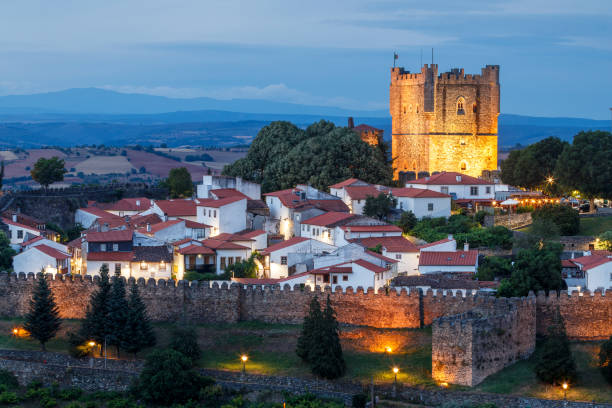
love4livi.com – Bragança, a city steeped in history and nestled in the heart of Portugal’s Trás-os-Montes region, offers a unique blend of medieval charm and natural beauty. With its imposing castle, cobbled streets, and stunning landscapes, Bragança is a hidden gem waiting to be discovered.  

A Glimpse into History

Bragança’s history stretches back to Roman times, when it was known as Juliobriga. The city’s strategic location and rich cultural heritage have made it a significant player throughout the centuries. During the Middle Ages, Bragança emerged as a powerful stronghold, and its imposing castle became a symbol of its strength and resilience.   

Exploring Bragança’s Historical Treasures

  • Bragança Castle: This majestic castle, dating back to the 12th century, dominates the city skyline. Its imposing walls and towers offer panoramic views of the surrounding countryside. 
  • Domus Municipalis: This Romanesque building, once the seat of municipal power, now houses a fascinating museum showcasing the city’s rich history.   
  • Cathedral of Bragança: This Gothic cathedral is a stunning example of religious architecture. Its intricate carvings and stained-glass windows are a testament to the skill of medieval artisans.
  • Igreja de São Vicente: This 12th-century church is known for its Romanesque cloister, which features beautiful carvings and a peaceful atmosphere.

The Natural Beauty of Trás-os-Montes

Bragança is surrounded by breathtaking natural beauty. The Montesinho Natural Park, a protected area known for its diverse flora and fauna, offers opportunities for hiking, birdwatching, and other outdoor activities. The region’s rolling hills, pristine rivers, and charming villages create a picturesque landscape that is perfect for a relaxing getaway.   

A Taste of Trás-os-Montes Cuisine

Trás-os-Montes cuisine is renowned for its hearty dishes and simple, fresh ingredients. Local specialties include chanfana de cabra (goat stew), cabrito assado no forno (roasted kid goat), and migas de milho (cornmeal crumbs). Pair your meal with a glass of vinho verde (green wine), a refreshing and light-bodied wine produced in the region.   

A Cultural Experience

Bragança hosts a variety of cultural events throughout the year, including music festivals, art exhibitions, and traditional fairs. The city’s annual festival, the Feira Franca, is a highlight of the cultural calendar, featuring colorful parades, traditional music, and delicious food.   

A Peaceful Retreat

Bragança offers a peaceful retreat from the hustle and bustle of city life. Its serene atmosphere, coupled with its rich history and cultural heritage, makes it an ideal place to unwind and recharge.

Bon Om Touk: A Celebration of Water and Life

love4livi.com – Bon Om Touk, also known as the Cambodian Water Festival, is a vibrant and joyous celebration held annually in Cambodia. This three-day festival commemorates the reversal of the Tonle Sap River’s flow, a unique natural phenomenon that plays a crucial role in the country’s agricultural cycle.   

The Tonle Sap River: A Natural Marvel

The Tonle Sap River is a fascinating waterway that flows in both directions, depending on the monsoon season. During the wet season, the Mekong River overflows, causing the Tonle Sap to reverse its flow and flood the surrounding plains, creating a vast freshwater lake. This annual flooding nourishes the rich ecosystem of the Tonle Sap, making it one of the most productive fishing grounds in Southeast Asia.   

A Festival of Tradition and Joy

Bon Om Touk celebrates this natural wonder and its significance to the Cambodian people. The festival is filled with a variety of cultural activities, including:   

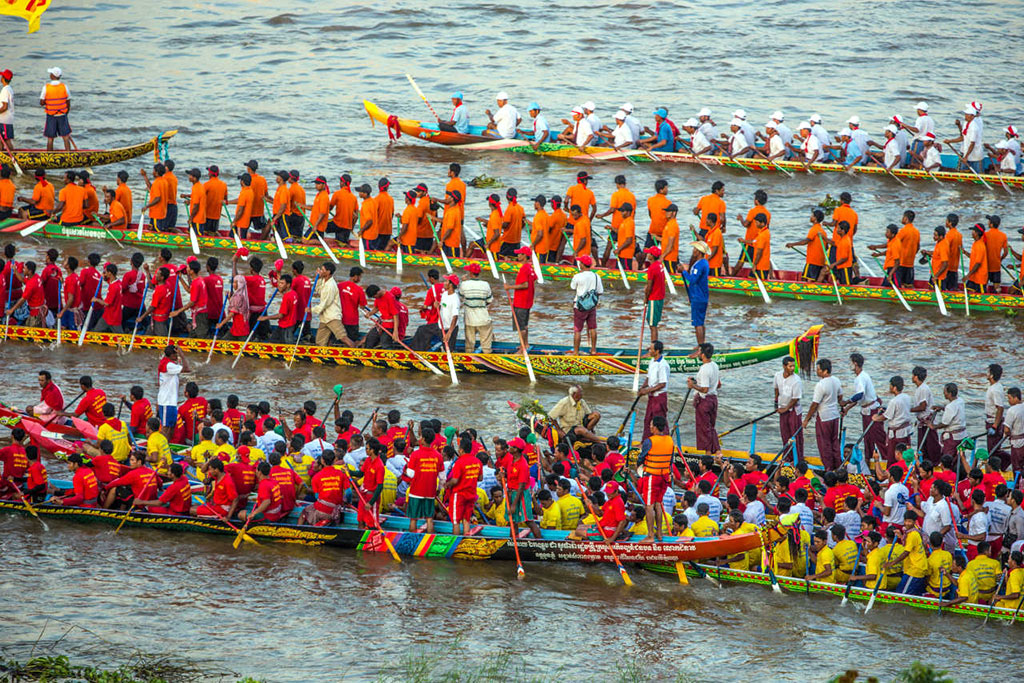
  • Boat Races: The most iconic event of Bon Om Touk is the dragon boat races. Colorful, long, narrow boats, adorned with flags and banners, race along the Tonle Sap River. Teams from different provinces compete for glory, and the atmosphere is electric with excitement.
  • Water Procession: A grand water procession takes place on the river, with beautifully decorated boats carrying offerings and prayers. This procession is a spiritual ritual, honoring the river and seeking blessings for the coming year.  
  • Cultural Performances: Traditional Khmer dance, music, and theater performances are held throughout the festival. These performances showcase the rich cultural heritage of Cambodia and entertain the crowds.
  • Fireworks Display: A dazzling fireworks display illuminates the night sky, adding to the festive atmosphere. 
  • Local Delicacies: The festival is a great opportunity to sample a variety of delicious Khmer dishes, including traditional sweets and savory snacks.  

Beyond the Festivities

Bon Om Touk is more than just a celebration of a natural phenomenon; it is a reflection of the deep-rooted connection between the Khmer people and their environment. The festival reinforces the importance of water conservation and sustainable practices, ensuring the well-being of future generations.

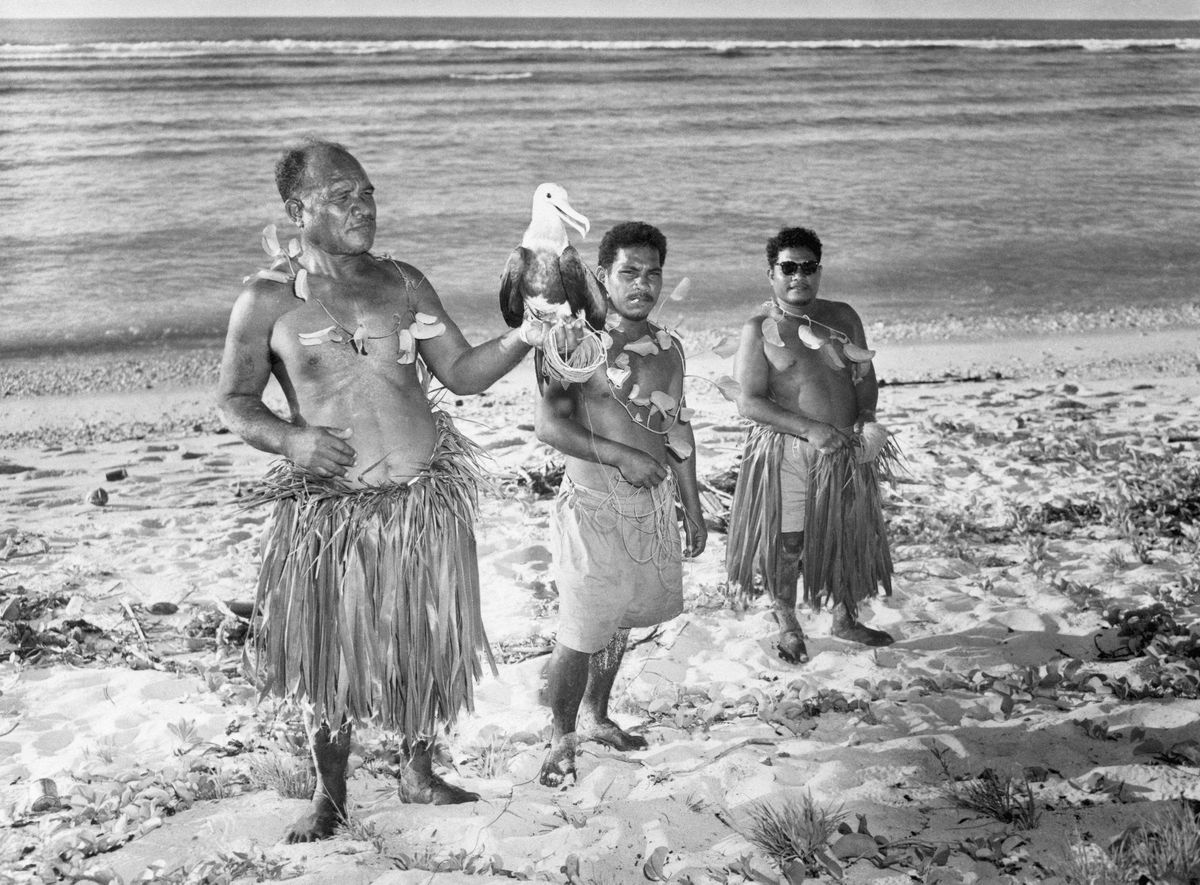
Nauru’s Indigenous People & Their Traditions

love4livi.com – Nauru, a tiny island nation in the Central Pacific, is home to a unique and resilient indigenous population. The Nauruan people have a rich cultural heritage that has been shaped by their history, environment, and interactions with other cultures. This article explores the traditions and customs of Nauru’s indigenous people, highlighting their unique practices and the influences that have shaped their culture.

Historical Background

The Nauruan people are the indigenous inhabitants of Nauru, an island with a history dating back over 3,000 years. They are of mixed Micronesian, Melanesian, and Polynesian origin, which has contributed to the diversity of their cultural practices. The island’s isolation has allowed the Nauruan people to develop a distinct culture that is deeply rooted in their environment and traditions.

Traditional Practices

Fishing and Agriculture

Fishing and agriculture are central to Nauruan culture. The island’s indigenous people have traditionally relied on the sea for sustenance, developing sophisticated fishing techniques that have been passed down through generations. Agriculture, although limited by the island’s phosphate-rich soil, has also played a role in their subsistence practices.

Land Ownership

Nauru’s land ownership system is based on a unique clan-based structure. Each clan has its own territory, and land rights are passed down through family lines. This system has helped preserve the island’s natural resources and maintain social cohesion among the Nauruan people.

Religion and Spirituality

Before the introduction of Christianity in the late 19th century, the Nauruan people followed a traditional religion centered around the goddess Eijebong. The island of Buitani was considered a spiritual sanctuary, and the Nauruan people believed in a pantheon of deities that governed various aspects of their lives. Today, Christianity is the dominant religion on the island, but elements of traditional beliefs still influence Nauruan culture.

Cultural Influences

Colonial and Western Influence

Nauru’s indigenous culture has been significantly influenced by colonial and Western cultures. The introduction of Christianity, Western education, and popular culture has led to the displacement of many traditional customs. However, some aspects of Nauruan culture, such as traditional music, art, and crafts, have managed to survive and are still practiced today.

Modern Adaptations

Despite the influence of external cultures, the Nauruan people have adapted their traditions to fit modern life. For example, traditional dances and music are still performed during cultural festivals and celebrations, showcasing the resilience and adaptability of Nauruan culture.

Conclusion

Nauru’s indigenous people have a rich and diverse cultural heritage that is a testament to their resilience and adaptability. While their traditions have been influenced by colonial and Western cultures, the Nauruan people continue to celebrate and preserve their unique customs and practices. As the island faces modern challenges, the Nauruan people remain committed to maintaining their cultural identity and passing it on to future generations.

The Amish Doll: A Reflection of Simplicity & Tradition

love4livi.com – The Amish doll is more than just a toy; it is a symbol of the Amish culture and lifestyle, reflecting the values of simplicity, humility, and tradition. These dolls are handcrafted by Amish artisans, using materials and techniques that have been passed down through generations. Each doll is unique, embodying the essence of Amish life and offering a glimpse into a world that values community, faith, and hard work.

The Concept of the Amish Doll

Amish dolls are designed to reflect the plain and simple lifestyle of the Amish people. They are typically made from natural materials such as cotton, wool, and wood, avoiding any modern materials or synthetic fabrics. The dolls are dressed in traditional Amish clothing, which varies depending on the specific Amish community but generally includes modest dresses for females and simple shirts and pants for males.

The Making of an Amish Doll

The creation of an Amish doll is a labor-intensive process that involves several steps. The body of the doll is usually made from wood or cloth, with the head either carved from wood or crafted from a mold. The hair is often made from yarn or wool, stitched onto the head. The clothing is sewn by hand, using patterns and fabrics that are true to Amish attire. Each piece of the doll is carefully assembled, with attention to detail and craftsmanship.

The Cultural Significance of Amish Dolls

Amish dolls hold significant cultural value as they are not only a representation of Amish life but also a way to teach children about their heritage and values. In Amish communities, dolls are given to children as gifts, often handmade by family members. These dolls serve as companions and educational tools, helping children learn about their culture and the importance of simplicity and hard work.

The Appeal of Amish Dolls to a Broader Audience

Beyond the Amish community, these dolls have gained popularity among collectors and those interested in cultural artifacts. The appeal lies in their authenticity, craftsmanship, and the story they tell about a unique way of life. Amish dolls are often sold at craft fairs, through online marketplaces, and in specialty stores, offering a tangible connection to Amish culture for people outside the community.

The Enduring Legacy of Amish Dolls

As the world continues to evolve at a rapid pace, the Amish doll remains a testament to the enduring legacy of the Amish culture. These dolls serve as a reminder of the importance of preserving traditions, valuing simplicity, and appreciating the craftsmanship of handmade items. Whether as a cherished childhood companion or a collector’s item, the Amish doll holds a special place in the hearts of many, reflecting the timeless values of the Amish way of life.

Conclusion

The Amish doll is more than just a toy; it is a reflection of a culture that values simplicity, tradition, and community. Through the craftsmanship of these dolls, the Amish people share their way of life with the world, offering a glimpse into a community that stands apart from the modern rush. As these dolls continue to be crafted and passed down, they serve as a bridge between generations, preserving the heritage and values of the Amish for years to come.

Celebrating New Year’s Day in Italy: Culture and Tradition

love4livi.com – Italy, a country renowned for its rich history and vibrant culture, celebrates New Year’s Day with a mix of traditional customs and modern festivities. Known as Capodanno in Italian, New Year’s Eve and Day are occasions for family gatherings, sumptuous feasts, and lively parties. This article explores the unique ways Italians ring in the new year, highlighting the country’s deep-rooted traditions and contemporary celebrations.

The Eve of New Year: Capodanno

Fireworks and Festivities

As the clock strikes midnight on December 31st, the sky above Italian cities and towns lights up with spectacular fireworks. From the historic piazzas of Rome and Florence to the coastal promenades of Naples and Venice, people gather to witness the dazzling displays and celebrate the arrival of the new year.

Family Feasts and Traditional Foods

Italian families come together on New Year’s Eve for a lavish dinner known as the Cena di Capodanno. The menu often includes traditional dishes believed to bring good luck and prosperity. Lentils, symbolizing coins and wealth, are a staple, often served with cotechino, a type of sausage. Other popular dishes include lasagna, risotto, and seafood, reflecting the regional diversity of Italian cuisine.

New Year’s Day: Il Primo Dell’Anno

A Day of Rest and Reflection

New Year’s Day in Italy, known as Il Primo Dell’Anno, is a public holiday. It is a day for families to relax and enjoy each other’s company. Many Italians attend Mass in the morning, followed by a leisurely brunch or a continuation of the previous night’s feast.

The Festa di Sant’Anna

In some regions, particularly in the South, New Year’s Day is also celebrated as the Festa di Sant’Anna. Traditions include visiting local churches to pay respects and partaking in community events and processions.

Regional Variations and Traditions

The Lenten Festival in Venice

Venice marks the new year with the Festa delle Marie, a historical reenactment dating back to the 12th century. On New Year’s Day, young women are chosen to represent the Marys and are paraded through the city in a celebration of beauty and purity.

The Bonfires of Capodanno in Southern Italy

In parts of Southern Italy, New Year’s Eve is celebrated with bonfires. People gather to burn effigies and old possessions, symbolizing the cleansing of the past and making way for new beginnings. This tradition is particularly strong in Sicily and Calabria.

Conclusion

New Year’s Day in Italy is a time of joy, reflection, and cultural expression. From the fireworks and feasts of Capodanno to the regional traditions that vary from north to south, Italy offers a rich tapestry of experiences to welcome the new year. Whether you’re looking to immerse yourself in historical celebrations or enjoy a family feast, Italy’s New Year festivities are sure to leave a lasting impression.

Diverse Traditions: The Development of Buddhism in Asia

love4livi.com – Buddhism, one of the world’s oldest religions, has a rich and complex history that spans over 2,500 years. Originating in India, it has spread across Asia, taking root in diverse cultures and evolving into a multitude of traditions. This article explores the development of Buddhism in Asia, highlighting its diverse expressions and the factors that have contributed to its rich tapestry of beliefs and practices.

The Origins of Buddhism

Buddhism was founded by Siddhartha Gautama, who later became known as the Buddha, meaning “the awakened one.” Born in Lumbini, in present-day Nepal, around the 5th century BCE, the Buddha’s teachings focused on the nature of suffering and the path to enlightenment. The core principles of Buddhism include the Four Noble Truths and the Eightfold Path, which together outline a path to liberation from the cycle of rebirth and suffering.

Spread of Buddhism in Asia

Buddhism began to spread beyond its birthplace in India during the reign of Emperor Ashoka in the 3rd century BCE. Ashoka, who converted to Buddhism after witnessing the devastation of war, became a fervent supporter of the religion and sent missionaries across Asia to spread the Buddha’s teachings. This period marked the beginning of Buddhism’s expansion, with significant developments occurring in several key regions.

Buddhism in China

Buddhism entered China through the Silk Road in the 1st century CE, gradually integrating with Chinese culture and philosophy. It blended with Confucianism and Taoism, leading to the development of Chan Buddhism, known as Zen in Japan. This school emphasizes meditation and the direct experience of enlightenment.

Buddhism in Tibet

Tibetan Buddhism, also known as Vajrayana or Tantric Buddhism, emerged from the fusion of Indian Buddhism with the indigenous Bon religion. It is characterized by its rituals, meditation practices, and the belief in bodhisattvas, beings who are on the path to enlightenment but choose to remain in the cycle of rebirth to help others.

Buddhism in Japan

Japanese Buddhism has several distinct schools, including Pure Land (Jodo), Zen, and Nichiren. Pure Land Buddhism focuses on the belief in Amitabha Buddha and the promise of rebirth in the Pure Land, a place of peace and enlightenment. Zen Buddhism, as mentioned, emphasizes meditation and direct insight into the nature of reality. Nichiren Buddhism, named after its founder, focuses on the Lotus Sutra and the chanting of a mantra.

Buddhism in Southeast Asia

In countries like Thailand, Cambodia, Laos, and Myanmar, Theravada Buddhism is the dominant form. Theravada, meaning “teaching of the elders,” is one of the earliest Buddhist schools and emphasizes the monastic life and the Pali Canon, the earliest collection of Buddhist teachings.

Factors Influencing Diversity

The development of Buddhism into diverse traditions was influenced by several factors, including cultural integration, political patronage, and the contributions of individual teachers and scholars. The interaction between Buddhism and local cultures led to the adaptation of Buddhist practices and beliefs to fit local contexts, resulting in the rich diversity seen today.

Conclusion

The development of Buddhism in Asia has been a dynamic process, shaped by historical, cultural, and religious forces. Today, Buddhism continues to be a living tradition, with its diverse forms reflecting the varied paths to enlightenment that it offers. Despite the differences among its various schools and traditions, Buddhism remains united by its core teachings and the shared goal of liberation from suffering. As it continues to evolve, Buddhism’s capacity to adapt and integrate with different cultures stands as a testament to its enduring relevance and appeal.

Tradition, Transformation, and Identity: The American South

love4livi.com – The American South, a region rich in history, culture, and tradition, has long been a focal point of fascination and study. Known for its distinctive customs, dialects, and culinary delights, the South has undergone significant transformation over the centuries, yet it retains a strong sense of identity that sets it apart from the rest of the United States. This article explores the delicate balance between tradition and transformation in the American South and how these elements contribute to the region’s unique identity.

Tradition

The South’s traditions are deeply rooted in its history, which includes the colonial era, the Civil War, and the civil rights movement. These events have shaped the region’s cultural landscape, influencing everything from music and literature to social norms and religious practices. Traditional Southern hospitality, with its emphasis on politeness, generosity, and community, is a hallmark of the region. The South is also known for its culinary traditions, with dishes like fried chicken, biscuits and gravy, and sweet tea being emblematic of Southern cuisine.

Music is another cornerstone of Southern tradition, with genres like blues, jazz, country, and gospel originating in the region. These musical forms have not only defined the South but have also had a profound impact on American and global culture. Literature, too, plays a significant role, with Southern writers such as William Faulkner, Flannery O’Connor, and Harper Lee offering profound insights into the region’s complex social fabric.

Transformation

Despite its strong adherence to tradition, the South has undergone significant transformation. The civil rights movement of the 1950s and 1960s was a pivotal moment in the region’s history, challenging long-standing racial inequalities and pushing for social change. This period marked a shift towards a more inclusive society, although the legacy of racial injustice remains a challenge the South continues to confront.

Economic development has also transformed the South, with the rise of industries such as technology, finance, and manufacturing. Cities like Atlanta, Charlotte, and Nashville have become economic powerhouses, attracting businesses and residents from across the country. This growth has brought about changes in demographics, with an influx of people from different backgrounds contributing to a more diverse cultural landscape.

Identity

The South’s identity is a tapestry woven from the threads of tradition and transformation. It is a region that cherishes its past while embracing the future. The Southern identity is characterized by resilience, adaptability, and a deep connection to place. Southerners often identify strongly with their regional heritage, yet they are also open to change and new influences.

The South’s identity is also shaped by its natural beauty, from the Appalachian Mountains to the Gulf Coast beaches, and its commitment to preserving the environment. The region’s identity is further defined by its unique dialects and colloquialisms, which add to the charm and distinctiveness of the South.

Conclusion

The American South is a region of contrasts, where tradition and transformation coexist and contribute to a vibrant and evolving identity. While the South holds onto its cherished customs and history, it also adapts to the changing world, making it a dynamic and fascinating place. The South’s ability to balance these elements is a testament to its strength and resilience, ensuring that it will continue to captivate and inspire for generations to come. As the region moves forward, it will undoubtedly face new challenges and opportunities, but its enduring spirit will remain a defining feature of the American South.