Marae Protocol: The Cultural Heart of Māori Communities

love4livi.com – The marae is at the heart of Māori culture, serving as the central place for gatherings, ceremonies, and community activities. It is more than just a physical space; the marae embodies Māori values, traditions, and social structures. The protocols and customs observed on the marae, known as marae protocol, play a vital role in preserving Māori identity, fostering community cohesion, and upholding cultural heritage. This article explores the significance of marae protocol, its history, the key customs involved, and its role in contemporary Māori society.

What is a Marae?

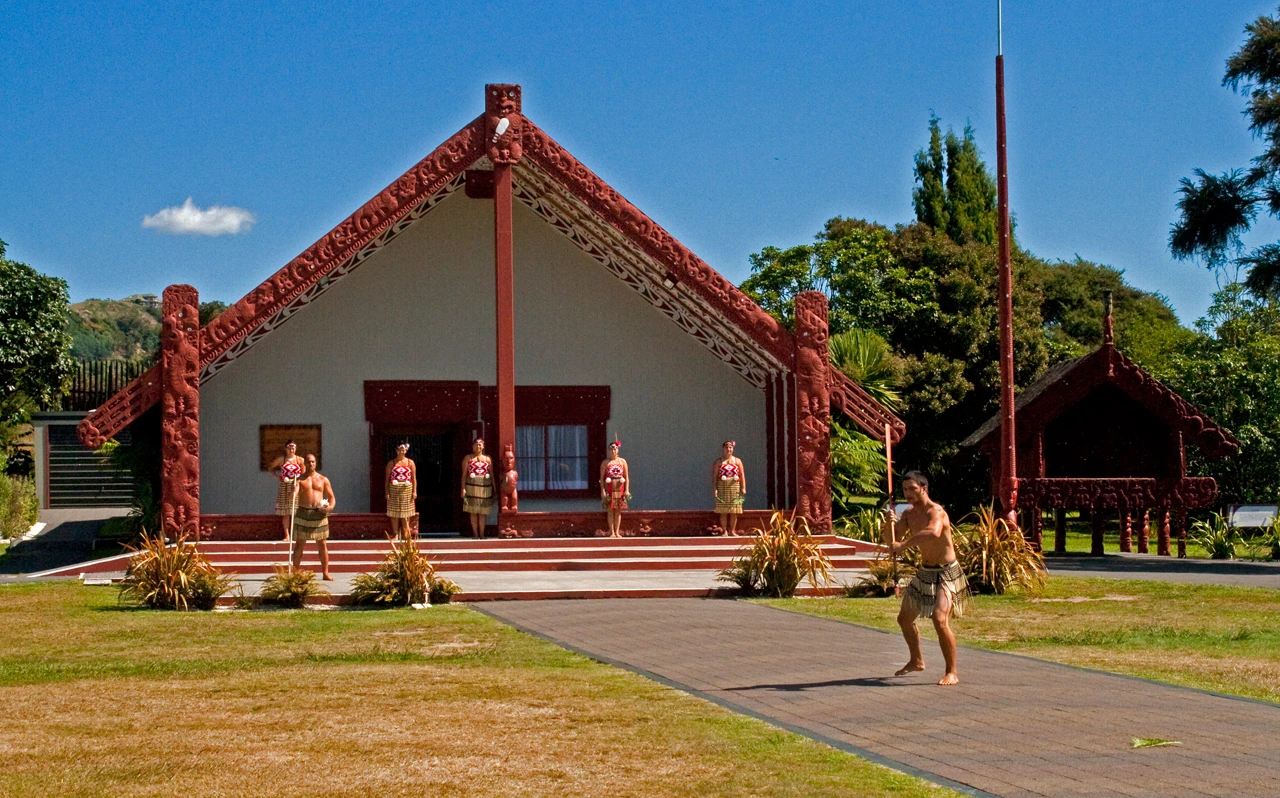
A marae is a Māori community space that consists of a wharenui (meeting house), wharekai (kitchen), and open grounds for outdoor activities. The wharenui is the spiritual and social center of the marae, representing the meeting place of ancestors. The building itself is often elaborately carved with images and motifs that depict tribal history, genealogies, and significant stories from Māori mythology.

The marae is a place where whānau (family), hapū (subtribe), iwi (tribe), and other groups come together to celebrate life events, such as births, weddings, and graduations, or to mourn the passing of loved ones. It is also a place for discussions, decisions, and addressing issues affecting the community, and for welcoming visitors, especially those from outside the local area.

The Importance of Marae Protocol

Marae protocol is a set of rules and customs that guide interactions and behavior on the marae. These protocols reflect Māori values such as respect, hospitality, and collective responsibility, and they are designed to foster an atmosphere of harmony, respect, and reciprocity. Adhering to marae protocol is a way to show respect for the tangata whenua (local people) and for the mana (prestige) of the marae itself.

The customs followed on the marae also honor Māori traditions and genealogies, reinforcing the links between the present and the ancestral past. Following the proper protocol helps maintain the spiritual significance of the marae, as it is seen as a sacred space that connects people with their ancestors and the spiritual world.

Key Aspects of Marae Protocol

Marae protocol involves a variety of customs, some of which may differ between iwi or regions, but the core values remain consistent. Below are some of the most important aspects of marae protocol:

1. The Powhiri (Welcoming Ceremony)

A powhiri is the traditional Māori ceremony used to welcome visitors onto the marae. The ceremony is designed to establish a connection between the tangata whenua (hosts) and the manuhiri (guests) and to ensure the safety of visitors by acknowledging and respecting spiritual forces.

The powhiri typically begins with a call to the visitors to approach the marae, often through the sound of a conch shell (putorino) or a ceremonial chant. Upon arrival, the visitors are greeted by a haka or a group chant performed by the tangata whenua. The visitors, in turn, respond with their own chant or greeting, often called a koha (gift), which can be symbolic or material.

The ceremony may include a speech or prayer from both sides, and it ends with the formal invitation for guests to enter the wharenui. The process is meant to foster unity, mutual respect, and understanding.

2. The Role of the Wharenui (Meeting House)

The wharenui is the central space on the marae, and it is where many important gatherings take place. The protocols surrounding the wharenui reflect its spiritual significance. Before entering the wharenui, visitors must remove their shoes as a sign of respect for the sacredness of the space. The host is responsible for guiding visitors to the wharenui and explaining the key elements of its structure, including the carvings, which represent the tribe’s ancestors.

Inside the wharenui, guests are typically seated in a designated place based on their status or role in the ceremony. The hierarchy of seating and placement reflects the Māori social structure, with elders and leaders sitting at the front, followed by other members of the community.

3. The Use of Waiata (Songs) and Karakia (Prayers)

Waiata and karakia are integral to marae protocol and are used throughout various ceremonies. Waiata, traditional Māori songs, are performed to convey emotions, tell stories, or mark an important event, such as a wedding or funeral. In the context of the powhiri, the singing of waiata helps set the tone for the ceremony, creating a sense of unity and togetherness.

Karakia are prayers or blessings, often recited at the beginning or end of a gathering, and are meant to invoke spiritual protection and guidance. They are deeply important as they connect the participants with the spiritual realm and ensure the success of the ceremony.

4. The Importance of Manaakitanga (Hospitality)

Manaakitanga refers to the Māori concept of hospitality, kindness, and generosity. On the marae, it is essential for the tangata whenua to ensure that their guests are well cared for and treated with respect. This includes providing food, shelter, and warmth, and attending to the needs of visitors. The concept of manaakitanga is central to the spirit of the marae, as it encourages the hosts to create an environment where all are treated equally and with dignity.

The preparation and sharing of food, particularly in the wharekai (kitchen/dining hall), are a key part of marae hospitality. A communal meal is often shared following formal proceedings, where both the hosts and guests partake in food offerings, reinforcing the values of connection and community.

5. The Koha (Gift)

A koha is a traditional Māori gift, often given by the manuhiri (visitors) to the tangata whenua (hosts) as a symbol of respect and appreciation. It can be in the form of money, food, or other gifts, and is an important gesture of reciprocity. The koha represents a commitment to the relationship between the hosts and guests and acknowledges the effort made by the tangata whenua in hosting the event.

6. The Role of Elders and Leaders

In Māori society, elders (kaumātua) and leaders (rangatira) play a key role in the rituals and decision-making processes that take place on the marae. Their wisdom and knowledge of the traditions are highly valued, and they often take the lead in ceremonies and discussions. In many instances, it is the kaumātua who will speak on behalf of the iwi, delivering important speeches, offering prayers, and ensuring that all cultural protocols are followed.

The Marae in Contemporary Māori Society

In modern New Zealand, the marae continues to serve as a cultural and spiritual hub for Māori communities. It remains a place for social gatherings, ceremonies, and educational events, and it has become a site for the revitalization of Māori language and customs. As Māori identity and culture have become more visible in New Zealand society, the marae has played an increasingly important role in promoting cultural pride and unity.

In addition to its traditional functions, the marae is also being used to address contemporary issues, including Māori land rights, social justice, and Treaty of Waitangi claims. Through the marae, Māori communities engage in discussions about their future and the ongoing struggles to preserve their cultural heritage and rights.

Conclusion

The marae is far more than a physical space; it is a living testament to the values, history, and identity of the Māori people. Marae protocol provides a framework for maintaining respect, unity, and connection within the community. By adhering to these traditions, Māori ensure that their culture remains vibrant and relevant, fostering a deep sense of belonging and cultural pride. Whether for ceremonies, family gatherings, or discussions of important issues, the marae will continue to serve as the heart of Māori communities, preserving both the past and the future of this rich and diverse culture.

Chubut: A Patagonian Paradise – A Land of Extremes

love4livi.com – Chubut, a province located in the heart of Patagonia, Argentina, is a land of extremes. Its vast, rugged landscapes, pristine wilderness, and unique wildlife make it a captivating destination for nature lovers and adventure seekers. From the towering Andes Mountains to the pristine coastline, Chubut offers a diverse range of experiences.

Patagonia’s Natural Wonders

  • The Andes Mountains: The province is home to a significant portion of the Andes Mountain range, offering breathtaking views, challenging hikes, and world-class skiing. The Perito Moreno Glacier, one of the most famous glaciers in the world, is a must-see attraction.
  • The Patagonian Steppe: The vast Patagonian steppe, characterized by its rolling plains and sparse vegetation, is a unique ecosystem. It is home to a variety of wildlife, including guanacos, rheas, and condors.
  • The Coastal Zone: Chubut’s coastline is a pristine paradise, with stunning beaches, crystal-clear waters, and abundant marine life. The Valdés Peninsula, a UNESCO World Heritage Site, is a haven for marine mammals, including whales, dolphins, and sea lions.

A Cultural Tapestry

Chubut’s cultural heritage is a fascinating blend of indigenous and European influences. The Welsh settlers, who arrived in the 19th century, brought their language, traditions, and customs to the region. The province’s indigenous communities, including the Tehuelche and Mapuche, have a rich history and culture.

Adventure and Outdoor Activities

Chubut offers a wide range of outdoor activities for adventure enthusiasts:

  • Hiking and Trekking: Explore the stunning landscapes of the Andes Mountains, the Patagonian steppe, and the coastal zone.
  • Skiing and Snowboarding: Experience world-class skiing and snowboarding at the Cerro Castor ski resort.
  • Whale Watching: Witness the majestic spectacle of whales migrating along the coast.
  • Birdwatching: Discover a diverse range of bird species, including penguins, albatrosses, and condors.
  • Fishing: Cast a line in the pristine waters of the province and catch a variety of fish, including trout and salmon.

A Culinary Delight

Chubut’s cuisine is a reflection of its diverse cultural heritage. Seafood, lamb, and regional produce are staples of the local diet. The province is also known for its excellent wines, particularly those produced in the Valle Inferior del Río Chubut.

A Sustainable Future

Chubut’s government and local communities are committed to sustainable tourism and environmental conservation. The province has implemented measures to protect its natural resources and promote responsible tourism practices.

A Patagonian Paradise Awaits

Chubut is a truly unique destination that offers a wide range of experiences for travelers of all ages and interests. Whether you are seeking adventure, relaxation, or cultural immersion, Chubut is a place where you can connect with nature and discover the beauty of Patagonia.

Bragança: A Timeless Tapestry of History and Tradition

love4livi.com – Bragança, a city steeped in history and nestled in the heart of Portugal’s Trás-os-Montes region, offers a unique blend of medieval charm and natural beauty. With its imposing castle, cobbled streets, and stunning landscapes, Bragança is a hidden gem waiting to be discovered.  

A Glimpse into History

Bragança’s history stretches back to Roman times, when it was known as Juliobriga. The city’s strategic location and rich cultural heritage have made it a significant player throughout the centuries. During the Middle Ages, Bragança emerged as a powerful stronghold, and its imposing castle became a symbol of its strength and resilience.   

Exploring Bragança’s Historical Treasures

  • Bragança Castle: This majestic castle, dating back to the 12th century, dominates the city skyline. Its imposing walls and towers offer panoramic views of the surrounding countryside. 
  • Domus Municipalis: This Romanesque building, once the seat of municipal power, now houses a fascinating museum showcasing the city’s rich history.   
  • Cathedral of Bragança: This Gothic cathedral is a stunning example of religious architecture. Its intricate carvings and stained-glass windows are a testament to the skill of medieval artisans.
  • Igreja de São Vicente: This 12th-century church is known for its Romanesque cloister, which features beautiful carvings and a peaceful atmosphere.

The Natural Beauty of Trás-os-Montes

Bragança is surrounded by breathtaking natural beauty. The Montesinho Natural Park, a protected area known for its diverse flora and fauna, offers opportunities for hiking, birdwatching, and other outdoor activities. The region’s rolling hills, pristine rivers, and charming villages create a picturesque landscape that is perfect for a relaxing getaway.   

A Taste of Trás-os-Montes Cuisine

Trás-os-Montes cuisine is renowned for its hearty dishes and simple, fresh ingredients. Local specialties include chanfana de cabra (goat stew), cabrito assado no forno (roasted kid goat), and migas de milho (cornmeal crumbs). Pair your meal with a glass of vinho verde (green wine), a refreshing and light-bodied wine produced in the region.   

A Cultural Experience

Bragança hosts a variety of cultural events throughout the year, including music festivals, art exhibitions, and traditional fairs. The city’s annual festival, the Feira Franca, is a highlight of the cultural calendar, featuring colorful parades, traditional music, and delicious food.   

A Peaceful Retreat

Bragança offers a peaceful retreat from the hustle and bustle of city life. Its serene atmosphere, coupled with its rich history and cultural heritage, makes it an ideal place to unwind and recharge.

Bihor: A Tapestry of History and Nature – Historical Treasures

love4livi.com – Bihor, a county in western Romania, is a captivating blend of history, culture, and breathtaking natural beauty. With its medieval castles, picturesque villages, and stunning mountain landscapes, Bihor offers a diverse and unforgettable experience for visitors.

Historical Treasures

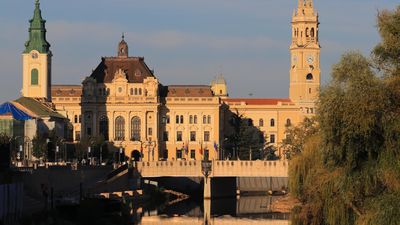
Bihor is home to several historical landmarks, including the majestic Oradea Fortress, a medieval citadel that has witnessed centuries of history. The fortress offers panoramic views of the city and is a popular destination for history buffs.

Another significant historical site is the Pădurea Craiului National Park, a vast expanse of pristine forests, crystal-clear lakes, and towering mountains. The park is home to a diverse range of wildlife, including bears, wolves, and deer.

Cultural Experiences

Bihor’s rich cultural heritage is evident in its traditional customs, music, and dance. The county is famous for its colorful folk costumes and lively folk festivals. Visitors can experience the authentic Romanian culture by attending traditional events and sampling local cuisine.

Natural Wonders

Bihor is blessed with stunning natural beauty. The Apuseni Mountains, a part of the Carpathian Mountains, offer breathtaking scenery, including deep valleys, majestic peaks, and crystal-clear rivers. The mountains are a paradise for hikers, climbers, and nature lovers.

The Crișul Repede River, one of the most beautiful rivers in Romania, flows through the county, offering opportunities for rafting, kayaking, and fishing. The river’s crystal-clear waters and stunning landscapes make it a popular destination for outdoor enthusiasts.

Urban Charm

Oradea, the county’s capital, is a charming city with a unique blend of architectural styles. The city’s historic center is a UNESCO World Heritage Site, featuring beautiful Art Nouveau buildings, Baroque palaces, and Gothic churches.

A Memorable Journey

Bihor County invites visitors to explore its diverse landscapes, rich history, and vibrant culture. Whether you’re seeking adventure in the mountains, tranquility by the river, or a cultural immersion, Bihor has something to offer everyone.

Exploring Laksa: A Culinary Journey Through Southeast Asia

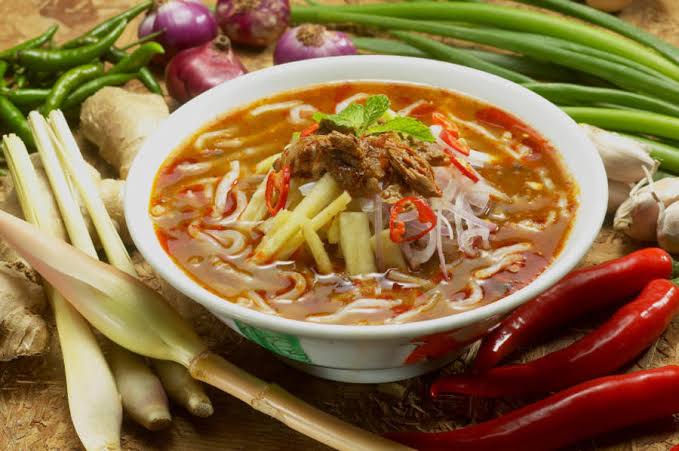
love4livi.com – Laksa is a beloved noodle soup with deep roots in Southeast Asian cuisine, celebrated for its bold flavors and rich history. This delectable dish typically comes in two main varieties: the coconut milk-based curry laksa and the tangy, sour asam laksa. Each version offers a unique taste experience, drawing from the diverse cultural influences of the region. Let’s dive into the world of laksa and discover what makes this dish so special.

The Origins of Laksa

Laksa is a culinary staple in countries like Malaysia, Singapore, and Indonesia, where it has become an integral part of the local food culture. The origins of laksa are somewhat elusive, with various theories about its beginnings. Some suggest it was brought to Southeast Asia by Chinese immigrants, while others believe it evolved from traditional Malay and Peranakan cooking practices. Regardless of its origins, laksa has become a symbol of cultural fusion, combining elements from Chinese, Malay, and other Southeast Asian cuisines.

Types of Laksa

Curry Laksa

Curry laksa, also known as laksa lemak, is a rich and creamy noodle soup made with coconut milk. The base is a fragrant, spicy paste typically made from ingredients like lemongrass, galangal, turmeric, and chili. This is then combined with coconut milk to create a luscious, aromatic broth. Curry laksa often includes a variety of proteins such as chicken, prawns, or fish, along with tofu puffs, bean sprouts, and fresh herbs. The noodles are usually thick rice vermicelli, although egg noodles are sometimes used.

Asam Laksa

In contrast, asam laksa offers a completely different flavor profile. This variety is distinguished by its tangy, sour broth made from tamarind paste, which gives it a refreshing kick. Asam laksa is typically made with mackerel and garnished with ingredients like cucumber, pineapple, mint leaves, and a dollop of shrimp paste. The noodles are usually thinner rice vermicelli, allowing the tangy broth to shine through.

The Cultural Significance of Laksa

Laksa is more than just a dish; it is a reflection of the multicultural tapestry of Southeast Asia. Each region has its own version of laksa, with variations in ingredients and preparation methods. For example, Penang asam laksa is renowned for its strong tamarind flavor, while Singaporean laksa is known for its spicy, coconut-rich broth. The dish is often enjoyed during festive occasions and family gatherings, symbolizing warmth and togetherness.

Enjoying Laksa

Whether you’re a fan of creamy, spicy soups or prefer something with a tangy kick, laksa offers something for everyone. It is a dish best savored slowly, allowing the complex flavors to meld together. Traditionally, laksa is served with a side of sambal chili paste, allowing diners to customize the level of heat to their preference.

In conclusion, laksa is a testament to the rich culinary heritage of Southeast Asia. Its bold flavors, diverse ingredients, and comforting warmth make it a favorite among locals and tourists alike. Next time you find yourself in a Southeast Asian country, be sure to seek out this iconic dish and experience the vibrant flavors that have captivated food lovers around the world.

Culture of Vanuatu: History, People, Women, and Beliefs

love4livi.com – Vanuatu, a beautiful archipelago in the South Pacific Ocean, is renowned for its rich and diverse culture that has evolved over centuries. This article explores the fascinating cultural landscape of Vanuatu, delving into its history, the lives of its people, the role of women, and the beliefs that shape this vibrant nation.

History

Vanuatu’s history is marked by its early settlement by the Austronesian people around 3,000 years ago. Over the centuries, the islands saw the arrival of traders, explorers, and missionaries from Europe, particularly during the 18th and 19th centuries. This led to significant cultural exchanges and transformations. In 1980, amidst a growing movement for independence, Vanuatu became a sovereign nation, proudly preserving its unique cultural heritage.

People

The people of Vanuatu, known as Ni-Vanuatu, are primarily of Melanesian descent. They are known for their strong sense of community and traditional lifestyles, which are deeply connected to their land and environment. There are over 100 indigenous languages spoken across the islands, reflecting the rich cultural diversity within the nation. Each island and village has its distinct customs and practices, contributing to Vanuatu’s multicultural tapestry.

Women

In Vanuatu, women play a vital role in both family and community life. Traditionally, they are responsible for maintaining the household, raising children, and participating in agricultural activities. In recent years, there has been a growing emphasis on empowering women through education and economic opportunities. Despite facing challenges such as gender inequality and limited access to resources, women in Vanuatu continue to make significant contributions to their society and are increasingly taking on leadership roles.

Beliefs

The belief systems in Vanuatu are a complex blend of traditional customs and Christianity. Many Ni-Vanuatu still adhere to kastom, a term referring to indigenous customs and traditional practices that are passed down through generations. These include rituals, dances, and ceremonies that are integral to community life. Christianity, introduced by missionaries in the 19th century, is also widely practiced, and many people have integrated Christian beliefs with their traditional customs.

Conclusion

The culture of Vanuatu is a vibrant mosaic of history, people, women, and beliefs that continue to thrive amidst modern influences. The resilience and adaptability of the Ni-Vanuatu have ensured the preservation of their cultural identity while embracing change. This unique blend of tradition and modernity makes Vanuatu a truly fascinating place to explore and understand.

Pengalaman Spiritual di Jepang: Meditasi dan Retret

love4livi – Jepang, dengan sejarah dan budayanya yang kaya, menawarkan berbagai pengalaman spiritual yang menarik bagi para pelancong yang ingin mencari kedamaian dan inspirasi. Salah satu cara terbaik untuk merasakan kedamaian spiritual di Jepang adalah melalui meditasi dan retret di berbagai kuil Buddha dan taman Zen. Berikut adalah beberapa pengalaman spiritual yang dapat Anda nikmati di Jepang.

Meditasi Zen adalah salah satu bentuk meditasi yang paling dikenal di Jepang. Zen adalah sekolah Buddha yang menekankan praktik meditasi untuk mencapai pemahaman diri dan pencerahan. Kuil Buddha di Jepang sering kali menyediakan sesi meditasi untuk pengunjung, baik lokal maupun internasional.

Kuil Kosho-ji di Kyoto

Kuil Kosho-ji di Kyoto menawarkan pengalaman meditasi Zen yang menakjubkan. Pengunjung dapat belajar teknik meditasi dasar dari ahli lokal dan merasakan kedamaian di lingkungan kuil yang tenang. Sesi meditasi biasanya berlangsung selama satu jam dan diakhiri dengan tur di sekitar kuil atau kesempatan untuk berpartisipasi dalam praktik Zen lainnya.

Kuil Eiheiji di Fukui

Kuil Eiheiji, yang didirikan pada tahun 1244, adalah salah satu kuil Buddha terpenting di Jepang. Pengunjung dapat mendaftar untuk sesi meditasi duduk (zazen) dan merasakan kedamaian di lingkungan kuil yang tenang. Kuil ini juga menawarkan tur di sekitar kuil dan kesempatan untuk belajar lebih lanjut tentang tradisi Zen.

Retret Spiritual di Taman Zen

Taman Zen adalah taman yang dirancang untuk membantu meredakan pikiran dan mendukung meditasi. Taman-taman ini biasanya terdiri dari pasir, batu, lumut, dan pohon serta semak yang dipangkas dengan cermat. Setiap elemen dalam taman Zen memiliki makna simbolis dan dirancang untuk mencerminkan esensi alam.

Taman Zen di Kuil Ryoan-ji di Kyoto

Taman Zen di Kuil Ryoan-ji di Kyoto adalah salah satu taman Zen paling terkenal di dunia. Taman ini dirancang untuk dilihat dari satu titik pandang di luar taman dan menawarkan pengalaman introspeksi yang mendalam. Pengunjung dapat duduk di tepi taman dan merasakan kedamaian yang ditawarkan oleh taman ini.

Taman Zen di Kuil Daitoku-ji di Kyoto

Kuil Daitoku-ji di Kyoto juga memiliki beberapa taman Zen yang indah. Taman-taman ini dirancang untuk membantu pengunjung meredakan pikiran dan mencapai kedamaian. Pengunjung dapat menghabiskan waktu di taman-taman ini untuk meditasi dan refleksi pribadi.

Manfaat Meditasi dan Retret di Jepang

Meditasi dan retret di Jepang tidak hanya menawarkan pengalaman spiritual yang mendalam, tetapi juga memiliki banyak manfaat kesehatan. Penelitian menunjukkan bahwa meditasi dapat membantu mengatasi kecemasan, stres, dan depresi. Meditasi juga dapat meningkatkan kualitas tidur dan bahkan membantu mengobati rasa sakit kronis.

Meditasi di Kuil Horyu-ji di Nara

Kuil Horyu-ji di Nara menawarkan sesi meditasi yang dapat membantu pengunjung meredakan stres dan mencapai kedamaian pikiran. Kuil ini juga menawarkan tur di sekitar kuil dan kesempatan untuk belajar lebih lanjut tentang tradisi Buddha.

Meditasi di Kuil Kiyomizu-dera di Kyoto

Kuil Kiyomizu-dera di Kyoto juga menawarkan sesi meditasi yang dapat membantu pengunjung meredakan stres dan mencapai kedamaian pikiran. Kuil ini terkenal dengan air terjunnya yang indah dan lingkungan yang tenang, yang membuatnya menjadi tempat yang sempurna untuk meditasi.

Jepang menawarkan berbagai pengalaman spiritual yang menarik bagi para pelancong yang ingin mencari kedamaian dan inspirasi. Meditasi Zen di kuil Buddha dan retret di taman Zen adalah cara yang sempurna untuk merasakan kedamaian spiritual di situs slot jepang. Dengan berbagai pilihan kuil dan taman yang tersedia, Anda pasti dapat menemukan pengalaman yang sesuai dengan kebutuhan spiritual Anda.

Dengan mengunjungi kuil-kuil Buddha dan taman Zen di Jepang, Anda tidak hanya akan mendapatkan pengalaman spiritual yang mendalam, tetapi juga akan merasakan kedamaian dan ketenangan yang dapat membantu Anda meredakan stres dan mencapai kedamaian pikiran.

Singapore: A Safe Harbor in Southeast Asia

love4livi.com – Singapore, a vibrant city-state located at the crossroads of Southeast Asia, is widely recognized as a safe and thriving global hub. Known for its efficient governance, multicultural society, and economic prowess, Singapore stands out as a beacon of stability and innovation.

A Model of Safety and Security

Singapore is renowned for its low crime rates and effective law enforcement, making it one of the safest cities in the world. The government’s emphasis on public safety, coupled with a strong legal framework, ensures a secure environment for residents and visitors alike. This reputation as a safe harbor attracts businesses, tourists, and expatriates from around the globe.

Economic Powerhouse and Innovation Hub

As a leading financial center, Singapore boasts a robust economy characterized by its openness to trade, investment, and innovation. The city-state’s strategic location, world-class infrastructure, and business-friendly policies have made it a preferred destination for multinational corporations. Its commitment to innovation is evident in its thriving tech ecosystem and initiatives to foster research and development.

A Melting Pot of Cultures

Singapore’s multicultural society is a testament to its rich tapestry of ethnicities, languages, and traditions. The harmonious coexistence of diverse communities is celebrated through various cultural festivals, cuisine, and heritage sites. Visitors can explore vibrant neighborhoods like Chinatown, Little India, and Kampong Glam, each offering a unique glimpse into Singapore’s cultural diversity.

Green Spaces and Urban Planning

Despite its urban density, Singapore is renowned for its green spaces and sustainable urban planning. The city’s commitment to environmental conservation is evident in its lush parks, nature reserves, and iconic Gardens by the Bay. Initiatives like the “City in a Garden” aim to integrate nature into urban living, enhancing the quality of life for its residents.

Gateway to Asia

Singapore’s strategic location and excellent connectivity make it a gateway to Asia. Its world-class Changi Airport, efficient public transportation system, and bustling port facilitate seamless travel and trade. This connectivity, coupled with its cosmopolitan outlook, makes Singapore an ideal base for exploring the diverse cultures and economies of the region.

In conclusion, Singapore’s reputation as a safe harbor is well-deserved, thanks to its emphasis on security, economic vitality, and cultural harmony. Whether you’re visiting for business, leisure, or exploration, Singapore offers a dynamic and welcoming environment that captivates and inspires.

Mengunjungi Istana Kerajaan Phnom Penh dan Pagoda Perak: Wisata Sejarah dan Budaya di Kamboja

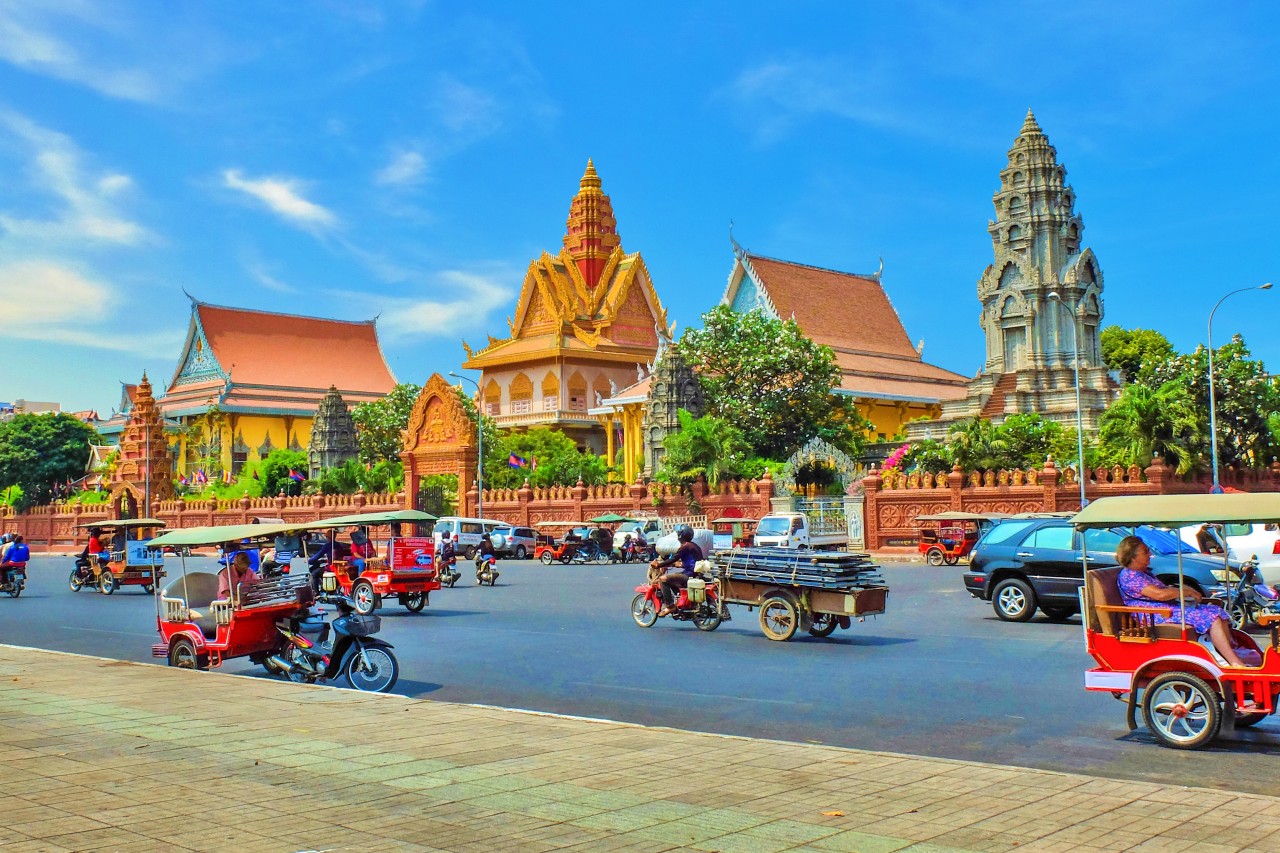
love4livi – Phnom Penh, ibu kota Kamboja, tidak hanya dikenal sebagai pusat politik dan ekonomi negara, tetapi juga sebagai rumah bagi situs-situs bersejarah yang kaya akan budaya dan tradisi. Salah satu yang paling terkenal adalah Istana Kerajaan Phnom Penh dan Pagoda Perak, dua destinasi wisata yang wajib dikunjungi oleh siapa pun yang tertarik dengan sejarah kerajaan Kamboja.

Istana Kerajaan Phnom Penh atau Royal Palace adalah tempat tinggal resmi Raja Kamboja. Dibangun pada tahun 1866, istana ini menjadi simbol kebesaran monarki Kamboja dan terus berfungsi sebagai kediaman kerajaan hingga saat ini. Meskipun beberapa bagian istana tertutup untuk umum karena masih digunakan oleh keluarga kerajaan, pengunjung dapat menjelajahi sejumlah paviliun dan halaman yang mengesankan.

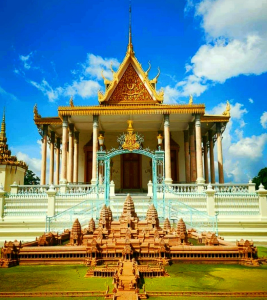
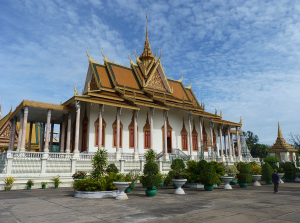
Arsitektur istana merupakan perpaduan antara gaya Khmer klasik dan elemen-elemen arsitektur Eropa, yang mencerminkan sejarah panjang Kamboja sebagai pusat kebudayaan Asia Tenggara. Salah satu bangunan paling menonjol di dalam kompleks istana adalah Balairung Singgasana, tempat di mana acara-acara kerajaan penting seperti penobatan dan pertemuan dengan pejabat negara diadakan. Dengan atap yang menjulang tinggi dan dekorasi yang megah, bangunan ini menjadi simbol kekuasaan dan kemegahan monarki Khmer.

mengunjungi-istana-kerajaan-phnom-penh-dan-pagoda-perak-wisata-sejarah-dan-budaya-di-kamboja

Di dalam kompleks Istana Kerajaan, terdapat Pagoda Perak yang juga dikenal sebagai Wat Preah Keo Morakot atau “Kuil Buddha Zamrud.” Pagoda ini adalah pusat spiritual bagi keluarga kerajaan dan merupakan tempat penyimpanan banyak artefak berharga. Namanya diambil dari lebih dari 5.000 ubin perak yang melapisi lantai pagoda, dengan masing-masing ubin memiliki berat sekitar satu kilogram.

Di dalam Pagoda Perak, pengunjung akan menemukan koleksi patung Buddha yang sangat berharga, termasuk Patung Buddha Zamrud, yang terbuat dari kristal hijau, serta Patung Buddha Emas seberat 90 kilogram yang dihiasi dengan lebih dari 2.000 berlian. Pagoda ini juga menampilkan mural dinding yang menggambarkan kisah epik Reamker, versi Kamboja dari Ramayana, yang meliputi hampir seluruh dinding pagoda.

Bagi masyarakat Kamboja, Istana Kerajaan dan Pagoda Perak bukan hanya tempat wisata, tetapi juga memiliki makna spiritual dan simbolis yang dalam. Pagoda Perak, khususnya, menjadi tempat di mana berbagai ritual keagamaan penting berlangsung, dan artefak di dalamnya dianggap sebagai warisan kebudayaan dan sejarah yang tak ternilai.

mengunjungi-istana-kerajaan-phnom-penh-dan-pagoda-perak-wisata-sejarah-dan-budaya-di-kamboja

Selain itu, situs ini juga menjadi saksi sejarah perkembangan negara Kamboja, dari masa penjajahan hingga periode modern saat ini. Pengunjung yang datang tidak hanya dapat menikmati keindahan arsitektur dan seni, tetapi juga memperoleh wawasan tentang perjalanan panjang Kamboja dalam menjaga tradisi kerajaannya di tengah dinamika zaman.

Jika Anda berencana mengunjungi Istana Kerajaan Phnom Penh dan Pagoda Perak, berikut beberapa tips yang dapat membantu Anda:

  1. Berpakaian sopan: Mengingat tempat ini merupakan situs kerajaan dan tempat ibadah, pengunjung diharapkan mengenakan pakaian yang sopan, dengan bahu dan lutut tertutup.
  2. Jam operasional: Istana Kerajaan biasanya buka dari pukul 8:00 hingga 11:00 dan dilanjutkan pada pukul 14:00 hingga 17:00. Pagoda Perak berada di dalam kompleks istana, jadi pengunjung bisa menjelajah keduanya dalam satu kunjungan.
  3. Panduan wisata: Untuk mendapatkan pengalaman yang lebih kaya, disarankan untuk menggunakan jasa pemandu wisata lokal yang bisa menjelaskan sejarah dan makna dari setiap bangunan dan artefak.
  4. Fotografi: Meskipun pengunjung diperbolehkan memotret di area luar, fotografi di dalam beberapa bangunan, terutama di Pagoda Perak, mungkin dilarang untuk menjaga kesucian dan keamanan artefak.

Mengunjungi Istana Kerajaan Phnom Penh dan Pagoda Perak slot kamboja adalah pengalaman yang memadukan kekayaan budaya, sejarah, dan spiritualitas. Destinasi ini menawarkan sekilas tentang warisan kerajaan Kamboja yang masih hidup dan berkembang hingga hari ini, sekaligus mengingatkan kita akan peran penting yang dimainkan oleh tradisi dalam menjaga identitas suatu bangsa.

Dengan arsitektur yang memukau, artefak bersejarah yang tak ternilai, serta suasana spiritual yang mendalam, dua tempat ini menjadi magnet bagi wisatawan dari seluruh dunia. Mereka yang ingin memahami lebih dalam tentang Kamboja tidak boleh melewatkan kunjungan ke dua destinasi ikonik ini.

Qatar’s Education System & Academic Excellence

love4livi.com – Qatar has made significant strides in developing a world-class education system that fosters academic excellence and innovation. The country’s investment in education is part of a broader vision to diversify its economy and build a knowledge-based society. This article explores the key features of Qatar’s education system and the initiatives that have contributed to its academic excellence.

Overview of Qatar’s Education System

Qatar’s education system is divided into three main levels: primary, preparatory, and secondary education. The Ministry of Education (MoE) oversees public schools, while private schools operate under the supervision of the Ministry but with more flexibility in curriculum and teaching methods.

Early Childhood Education

Early childhood education is a priority in Qatar, with a focus on developing children’s cognitive, social, and emotional skills. Kindergartens and pre-schools provide a foundation for lifelong learning and prepare children for the formal education system.

Primary and Secondary Education

The primary and secondary education curriculum is designed to provide students with a broad knowledge base and essential skills. Subjects include Arabic, English, mathematics, science, social studies, and Islamic education. The MoE has also introduced reforms to make the curriculum more relevant and engaging, incorporating critical thinking, problem-solving, and technology skills.

Higher Education

Qatar has invested heavily in higher education, establishing Education City, a hub for several international universities and research institutes. Institutions such as Carnegie Mellon, Georgetown University, and Weill Cornell Medicine have branches in Qatar, offering a range of undergraduate and postgraduate programs.

Initiatives for Academic Excellence

Qatar Foundation

The Qatar Foundation (QF) plays a pivotal role in promoting education and research in Qatar. It operates Education City and supports various initiatives aimed at fostering innovation, entrepreneurship, and academic excellence. QF also manages the Qatar National Research Fund, which provides grants for scientific research and development.

Educational Reforms

Qatar has implemented several educational reforms to improve the quality of education and align it with international standards. These reforms include the introduction of a standards-based education system, teacher training and development programs, and the use of technology in classrooms.

International Collaboration

Qatar has established partnerships with international organizations and educational institutions to enhance its education system. These collaborations facilitate the exchange of knowledge, best practices, and expertise, contributing to the development of a globally competitive education system.

Achievements and Challenges

Qatar’s education system has achieved notable success, with improvements in student outcomes and international rankings. However, challenges remain, including the need to further develop the technical and vocational education sector and to ensure that all students, regardless of their background, have access to quality education.

Conclusion

Qatar’s commitment to education and academic excellence is evident in its investments, reforms, and initiatives. By focusing on early childhood education, curriculum development, higher education, and international collaboration, Qatar is building a strong foundation for a knowledge-based economy and a society that values lifelong learning. As the country continues to evolve, its education system will play a crucial role in shaping its future and achieving its vision for sustainable development and global competitiveness.

The Impact of European Contact on Easter Island

love4livi.com – Easter Island, known as Rapa Nui, is a remote island in the southeastern Pacific Ocean, famous for its monumental stone statues called moai. The island’s history is marked by significant changes following the arrival of Europeans in 1722. This article explores the demographic, cultural, and ecological impacts of European contact on Easter Island.

First European Contact

The first recorded European contact with Easter Island occurred on April 5, 1722, when Dutch navigator Jacob Roggeveen landed on the island. Roggeveen’s visit was brief, lasting only a week, but it marked the beginning of a series of interactions that would profoundly affect the indigenous Rapanui people and their society.

Demographic and Cultural Collapse

The arrival of Europeans had devastating consequences for the Rapanui population. European contact brought with it newly introduced diseases, such as smallpox, which the Rapanui had no immunity against. These diseases led to a significant demographic collapse, drastically reducing the island’s population. Additionally, the introduction of European diseases and the subsequent social upheaval led to a cultural collapse, as traditional practices and knowledge were disrupted and lost over time.

Continued Resilience Before European Contact

Contrary to earlier beliefs, recent research suggests that Easter Island society did not collapse prior to European contact. The Rapanui people continued to build their iconic moai statues for much longer than previously thought, indicating a level of resilience and continuity in their culture and society.

Ecological Impact

The ecological impact of European contact on Easter Island was also significant. While the island had already experienced some degree of deforestation and ecological stress prior to European arrival, the introduction of new species and the intensification of resource exploitation by Europeans exacerbated these issues. The ecological changes further contributed to the challenges faced by the Rapanui people.

Conclusion

The impact of European contact on Easter Island was multifaceted and profound. It led to a demographic and cultural collapse, primarily due to the introduction of diseases and social upheaval. However, it is important to note that the Rapanui society showed resilience and continuity in their cultural practices before the arrival of Europeans. The ecological changes brought about by European contact further compounded the challenges faced by the indigenous population. Understanding these impacts provides a more nuanced view of Easter Island’s history and the complex interactions between indigenous societies and European explorers.

Nauru’s Indigenous People & Their Traditions

love4livi.com – Nauru, a tiny island nation in the Central Pacific, is home to a unique and resilient indigenous population. The Nauruan people have a rich cultural heritage that has been shaped by their history, environment, and interactions with other cultures. This article explores the traditions and customs of Nauru’s indigenous people, highlighting their unique practices and the influences that have shaped their culture.

Historical Background

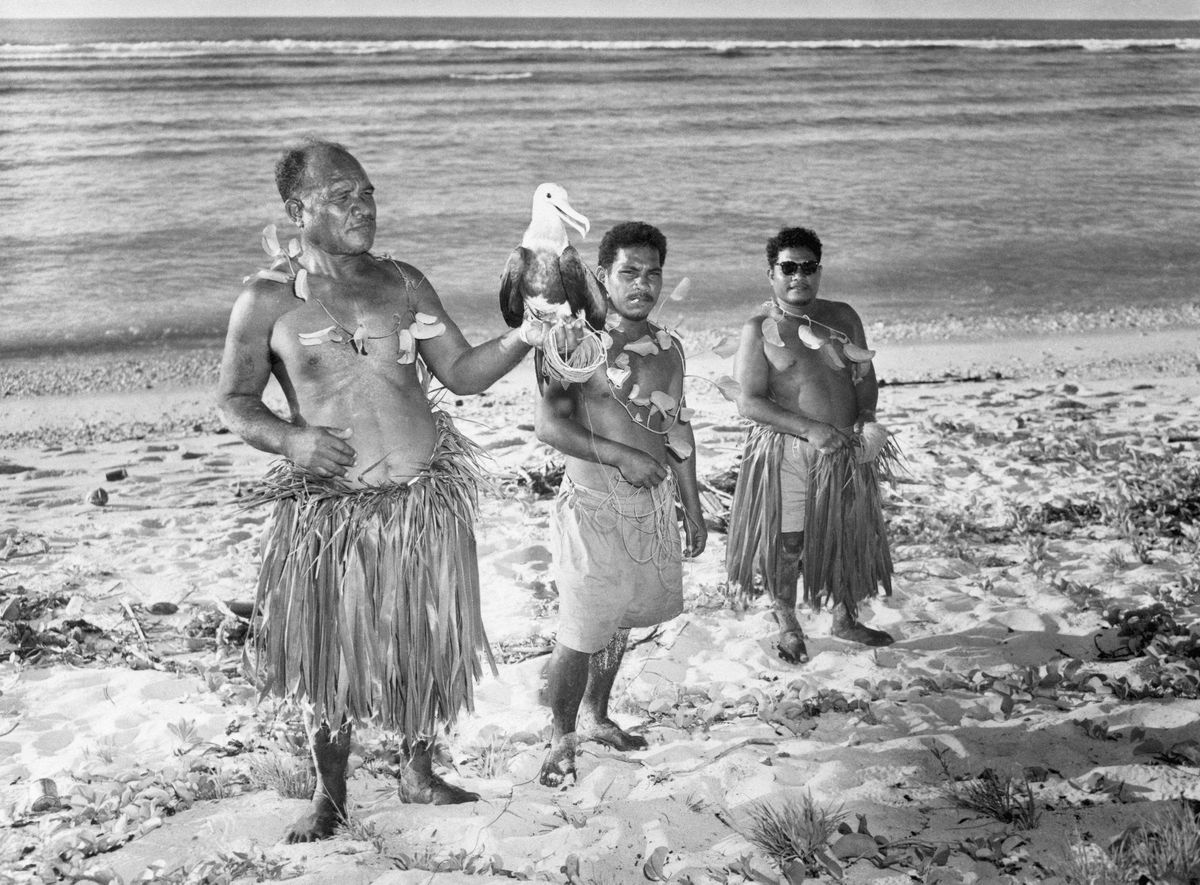
The Nauruan people are the indigenous inhabitants of Nauru, an island with a history dating back over 3,000 years. They are of mixed Micronesian, Melanesian, and Polynesian origin, which has contributed to the diversity of their cultural practices. The island’s isolation has allowed the Nauruan people to develop a distinct culture that is deeply rooted in their environment and traditions.

Traditional Practices

Fishing and Agriculture

Fishing and agriculture are central to Nauruan culture. The island’s indigenous people have traditionally relied on the sea for sustenance, developing sophisticated fishing techniques that have been passed down through generations. Agriculture, although limited by the island’s phosphate-rich soil, has also played a role in their subsistence practices.

Land Ownership

Nauru’s land ownership system is based on a unique clan-based structure. Each clan has its own territory, and land rights are passed down through family lines. This system has helped preserve the island’s natural resources and maintain social cohesion among the Nauruan people.

Religion and Spirituality

Before the introduction of Christianity in the late 19th century, the Nauruan people followed a traditional religion centered around the goddess Eijebong. The island of Buitani was considered a spiritual sanctuary, and the Nauruan people believed in a pantheon of deities that governed various aspects of their lives. Today, Christianity is the dominant religion on the island, but elements of traditional beliefs still influence Nauruan culture.

Cultural Influences

Colonial and Western Influence

Nauru’s indigenous culture has been significantly influenced by colonial and Western cultures. The introduction of Christianity, Western education, and popular culture has led to the displacement of many traditional customs. However, some aspects of Nauruan culture, such as traditional music, art, and crafts, have managed to survive and are still practiced today.

Modern Adaptations

Despite the influence of external cultures, the Nauruan people have adapted their traditions to fit modern life. For example, traditional dances and music are still performed during cultural festivals and celebrations, showcasing the resilience and adaptability of Nauruan culture.

Conclusion

Nauru’s indigenous people have a rich and diverse cultural heritage that is a testament to their resilience and adaptability. While their traditions have been influenced by colonial and Western cultures, the Nauruan people continue to celebrate and preserve their unique customs and practices. As the island faces modern challenges, the Nauruan people remain committed to maintaining their cultural identity and passing it on to future generations.

Iceland’s Environmental Policies & Climate Change Initiatives

love4livi.com – Iceland, a country renowned for its stunning natural landscapes, has been at the forefront of environmental conservation and climate change mitigation efforts. With a strong emphasis on sustainability, Iceland has implemented a series of policies and initiatives aimed at protecting its unique ecosystems and reducing its carbon footprint.

Renewable Energy Leadership

Iceland has long been a leader in the utilization of renewable energy sources. The country’s geothermal and hydroelectric power plants provide nearly 100% of its energy needs, significantly reducing reliance on fossil fuels. This commitment to renewable energy has not only minimized Iceland’s greenhouse gas emissions but has also positioned it as a model for other nations seeking to transition to cleaner energy sources.

Carbon Neutrality Goals

In its efforts to combat climate change, Iceland has set ambitious targets for carbon neutrality. The country aims to become carbon neutral by 2040, which includes reducing emissions from transportation, heating, and industry. To achieve this, Iceland is investing in electric vehicles, energy-efficient buildings, and carbon capture and storage technologies.

Conservation of Natural Resources

Iceland’s environmental policies also focus on the protection of its natural resources. The country has established numerous national parks and nature reserves to preserve its biodiversity. Additionally, Iceland has strict regulations on fishing and whaling to ensure the sustainability of its marine ecosystems.

International Collaboration

Recognizing the global nature of climate change, Iceland actively participates in international environmental agreements and collaborations. The country is a strong supporter of the Paris Agreement and works with other nations to develop innovative solutions to climate change challenges.

Conclusion

Iceland’s environmental policies and climate change initiatives demonstrate a commitment to sustainability and the protection of the planet. By leveraging its natural advantages and investing in renewable energy and conservation efforts, Iceland serves as an example of how a nation can balance economic development with environmental stewardship. As the world continues to face the impacts of climate change, Iceland’s approach offers valuable lessons for other countries seeking to reduce their environmental footprint and safeguard the future of our planet.

From Folk to Pop to Indie: The Australian Music Scene

love4livi.com – The Australian music scene is a vibrant and diverse landscape that has evolved significantly over the decades. From the early folk and bush ballads to the pop and rock explosion of the 1960s and 1970s, and the indie and alternative movements of the 1980s and 1990s, Australian musicians have consistently pushed boundaries and captured the world’s attention.

The Folk Tradition

Early Folk and Bush Ballads

The roots of Australian music can be traced back to the folk and bush ballads of the 19th century. These songs, often passed down orally, reflected the life of the Australian bush and the experiences of the working class. Iconic figures like Henry Lawson and Banjo Paterson captured the spirit of the times with their lyrics, celebrating the rugged individualism and resilience of the Australian character.

The Pop and Rock Era

The 1960s and 1970s: A Golden Age

The 1960s and 1970s were a golden age for Australian pop and rock music. Bands like The Easybeats, The Bee Gees, and AC/DC broke into the international scene, while local legends like John Farnham, Olivia Newton-John, and Kylie Minogue became household names. The emergence of pub rock in the 1970s, spearheaded by bands like Cold Chisel and Midnight Oil, further cemented Australia’s reputation as a powerhouse of rock music.

The Indie and Alternative Scene

The 1980s and 1990s: A New Wave

The 1980s and 1990s saw the rise of indie and alternative music in Australia. Bands like The Church, Crowded House, and The Go-Betweens gained international acclaim, while the grunge and punk movements inspired a new generation of musicians. The indie scene continued to flourish, with artists like Nick Cave, Tame Impala, and Courtney Barnett achieving critical and commercial success.

Contemporary Australian Music

Today’s Diverse Scene

Today, the Australian music scene is more diverse than ever. From the electronic and dance music of Flume and Rufus Du Sol to the hip-hop and R&B of The Kid Laroi and Sampa the Great, Australian artists are making waves across multiple genres. The country’s music festivals, such as Splendour in the Grass and Falls Festival, showcase this diversity and contribute to the vibrant music culture.

The Impact of Australian Music

Global Influence and Recognition

Australian music has had a significant impact on the global music scene. Australian artists have won numerous international awards, including Grammys and Brits, and have influenced music trends worldwide. The country’s music education and industry support, provided by institutions like the Australian Music Industry Network (AMIN) and the Australian Recording Industry Association (ARIA), ensure that the next generation of musicians is well-equipped to continue this legacy.

Conclusion

The Australian music scene is a testament to the country’s rich cultural heritage and its ability to innovate and adapt. From the traditional folk songs to the cutting-edge electronic beats, Australian music reflects the nation’s spirit of adventure, creativity, and resilience. As the music industry continues to evolve, the world will undoubtedly continue to listen to the unique sounds coming from Down Under.

Estonia’s National Final at the 2024 Eurovision Song Contest

love4livi.com – Estonia has been a participant in the Eurovision Song Contest since 1993, following its declaration of independence from the Soviet Union. The country has had its fair share of successes, including winning the contest in 2001 with the song “Everybody” by Tanel Padar, Dave Benton, and 2XL. Estonia’s participation in Eurovision is a significant cultural event that brings the nation together, showcasing its musical talent and creativity on an international stage.

The Road to the 2024 Eurovision Song Contest

As the Eurovision Song Contest 2024 approaches, Estonia’s national broadcaster, Eesti Rahvusringhääling (ERR), has been gearing up to select its representative. The selection process typically involves a national final, which is a highly anticipated event that captures the attention of music fans across the country.

The National Final: Eesti Laul 2024

Format and Participants

Eesti Laul, Estonia’s national selection for Eurovision, is known for its competitive and diverse lineup of artists and songs. The 2024 edition is expected to follow a similar format, with several acts competing in semi-finals before the best advance to the grand final. The participants are usually a mix of established artists and emerging talents, each vying for the chance to represent Estonia on the Eurovision stage.

The Competition

The competition at Eesti Laul 2024 is expected to be fierce, with a wide range of musical genres represented. From pop to rock, and from ballads to electronic music, the contestants will bring their unique sounds to the stage, hoping to impress both the jury and the public. The voting system typically combines the opinions of music professionals with the televotes from the Estonian public, ensuring a fair and democratic selection process.

The Hosts and Venue

The hosts of Eesti Laul 2024 will play a crucial role in guiding the viewers through the show. They are often well-known personalities in Estonia, capable of handling the live broadcast with professionalism and charisma. The venue for the national final is usually a prominent concert hall or theater in Estonia, providing a fitting backdrop for the musical showcase.

The Importance of Eesti Laul

Eesti Laul is more than just a televised competition; it’s a platform for Estonian musicians to gain exposure and connect with a broader audience. The event also fosters a sense of national pride and unity, as the entire country tunes in to support their favorite acts. The winner of Eesti Laul 2024 will carry the hopes and dreams of Estonia to the Eurovision Song Contest, where they will compete against other talented artists from across Europe and beyond.

Conclusion

As Estonia prepares for the 2024 Eurovision Song Contest, the national final, Eesti Laul, remains a key event in the country’s musical calendar. It’s a celebration of Estonian music and culture, a showcase of talent, and a stepping stone to international recognition. The winner of Eesti Laul 2024 will have the honor of representing Estonia on one of the world’s biggest musical stages, and the entire nation will be watching with anticipation and support.

Suriname: From Colonial Past to Independent Nation

love4livi.com – Suriname, a small country on the northeastern coast of South America, has a rich and complex history that spans from its pre-colonial era to its current status as an independent nation. This article explores the journey of Suriname from its colonial past under Dutch rule to its independence and the challenges and achievements it has faced since.

Pre-Colonial Suriname

Before European colonization, Suriname was inhabited by various indigenous tribes, including the Arawak and Carib peoples. These communities lived in harmony with the lush rainforests and fertile lands that Suriname is known for. Their way of life was centered around agriculture, hunting, and fishing.

Dutch Colonization

The arrival of European explorers in the 16th century marked the beginning Link Spaceman of Suriname’s colonial era. Initially claimed by the English, Suriname was ceded to the Dutch in 1667 in exchange for New Amsterdam (now New York City). The Dutch established plantation economies, primarily focused on sugar cane, and later on coffee, cocoa, and cotton. To support this economy, they brought in enslaved Africans, leading to a significant demographic shift and the introduction of African cultures and traditions.

The Struggle for Freedom

The 18th and 19th centuries were marked by resistance and rebellion against Dutch colonial rule. The most notable of these was the 1760 Berbice Slave Uprising, led by Cuffy (Kofi), an enslaved African who became a symbol of resistance. Although the uprising was ultimately quelled, it highlighted the growing desire for freedom among the enslaved population.

Abolition of Slavery and Indentured Labor

The Dutch abolished slavery in Suriname in 1863, but this did not immediately lead to equality or freedom for all. Many former slaves were forced into indentured labor, and the Dutch government brought in indentured workers from India, Java, and China to work on the plantations. This influx of people further diversified Suriname’s cultural landscape.

Road to Independence

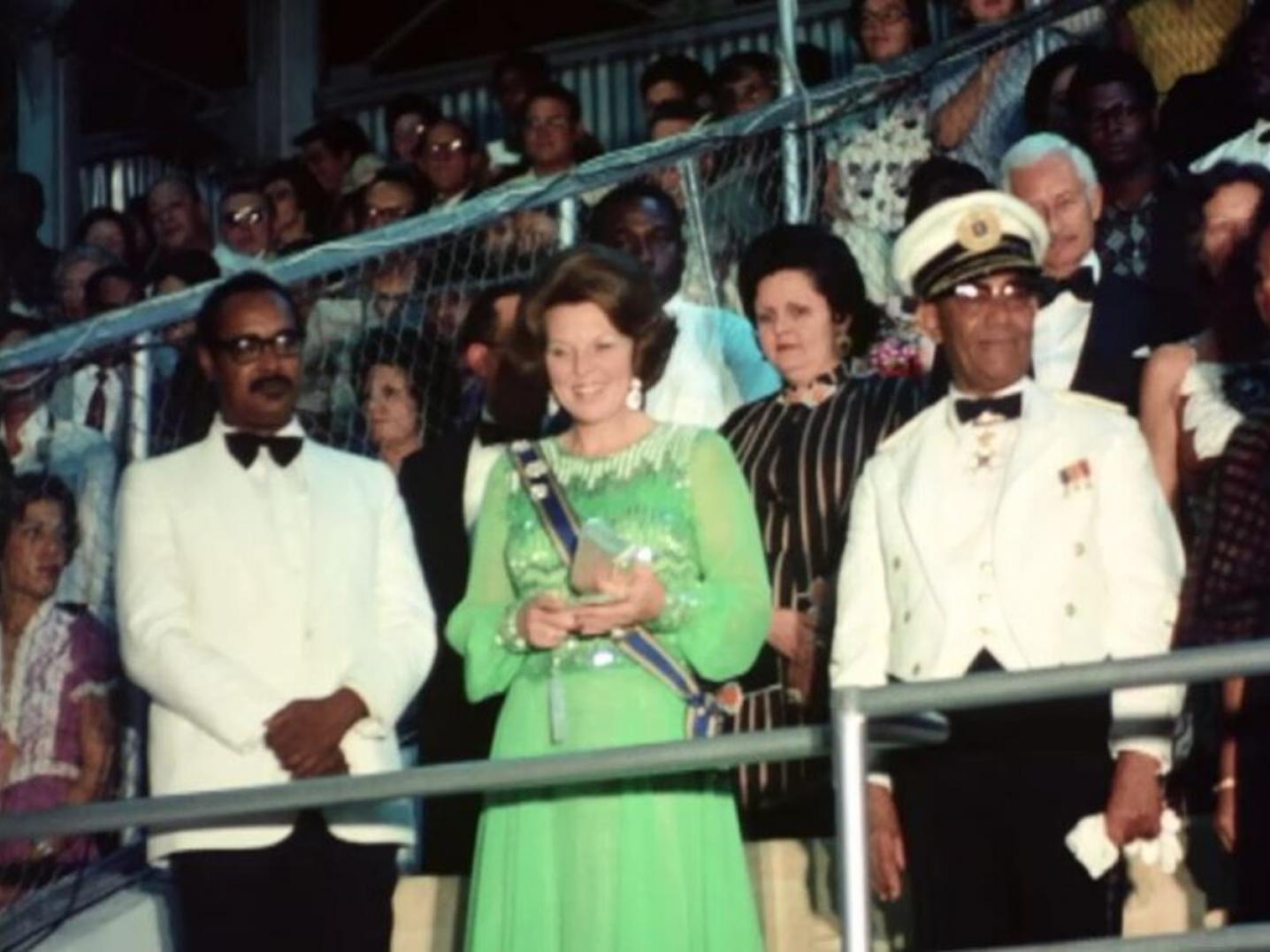
The 20th century saw a growing movement for independence in Suriname. Political parties formed, and leaders emerged who advocated for self-governance. After World War II, the decolonization movement gained momentum, and Suriname was granted internal autonomy in 1954. Finally, on November 25, 1975, Suriname officially became an independent nation.

Post-Independence Challenges

The transition to independence was not without its challenges. Suriname faced economic difficulties, political instability, and social unrest. The country also experienced a civil war in the 1980s, which further strained its resources and infrastructure.

Modern Suriname

Today, Suriname is a multi-ethnic, multi-religious society that celebrates its diversity. The government has made efforts to stabilize the economy, improve infrastructure, and promote social cohesion. Suriname’s natural resources, particularly its vast rainforests and mineral wealth, offer opportunities for sustainable development and economic growth.

Conclusion

Suriname’s journey from a colonial possession to an independent nation is a testament to the resilience and determination of its people. Despite the challenges it has faced, Suriname continues to forge its path, embracing its rich cultural heritage and looking forward to a future of peace and prosperity.

A Sovereign Nation in the Pacific: The Republic of Palau

love4livi.com – Nestled in the western Pacific Ocean, the Republic of Palau is a sovereign island nation that boasts a rich cultural heritage and stunning natural beauty. Comprising over 500 islands, Palau is renowned for its vibrant coral reefs, diverse marine life, and pristine beaches, making it a paradise for divers and nature enthusiasts alike.

Geography and Climate of Palau

The archipelago of Palau is located approximately 500 miles east of the Philippines and 2,000 miles southwest of Hawaii. The country’s geography is characterized by its volcanic and coral islands, with the majority of the population residing on the larger islands of Koror, Babeldaob, and Peleliu. Palau enjoys a tropical rainforest climate, with temperatures averaging around 82°F (28°C) year-round. The wet season typically runs from May to October, while the dry season spans from November to April.

Cultural Heritage and Traditions

Palau’s culture is a unique blend of indigenous traditions and influences from its historical ties with Spain, Germany, Japan, and the United States. The Palauan people are known for their hospitality, and their cultural practices are deeply intertwined with their relationship to the sea and the land. Traditional dances, such as the “chukuchuk” and “bai ra dila,” are performed during festivals and celebrations, showcasing the country’s rich heritage.

Economy and Tourism

The economy of Palau is primarily driven by tourism, with visitors flocking to the country to experience its unspoiled landscapes and world-class diving sites. The government has made efforts to promote sustainable tourism to preserve the natural environment. In addition to tourism, the country’s economy benefits from fishing, agriculture, and the sale of postage stamps and coins.

Government and Politics

Palau operates as a presidential republic, with the president serving as both the head of state and the government. The country has a unicameral legislature known as the Olbiil Era Kelulau, or House of Delegates. Palau gained independence in 1994, following a period of trusteeship under the United Nations, administered by the United States.

Environmental Conservation Efforts

Recognizing the importance of its natural resources, Palau has taken significant steps towards environmental conservation. In 2020, Palau became the first country to ban the sale of sunscreens that contain harmful chemicals that can damage coral reefs. The country also has a national marine sanctuary that covers 500,000 square kilometers, aiming to protect its marine life and biodiversity.

Conclusion

The Republic of Palau stands as a testament to the beauty of the Pacific Islands and the resilience of its people. With its commitment to preserving its natural and cultural heritage, Palau continues to captivate visitors and serve as a model for sustainable development in the region. As the world becomes increasingly aware of the importance of conservation, Palau’s efforts shine as a beacon of hope for the future of our planet.

Hong Kong: A City of Contrasts

love4livi.com – Hong Kong, a vibrant metropolis nestled on the southeastern coast of China, is a city that seamlessly blends the old with the new, the East with the West, and the natural with the man-made. This unique fusion creates a tapestry of experiences that make Hong Kong a fascinating destination for travelers and a dynamic home for its residents.

The Skyline and the Sea

One of the most striking contrasts in Hong Kong is its skyline, punctuated by towering skyscrapers, against the backdrop of the South China Sea. The Victoria Harbour, with its bustling ferries and iconic Star Ferry, offers a serene counterpoint to the city’s vertical sprawl. The Symphony of Lights, an evening show that illuminates the harbor, is a testament to the city’s ability to harmonize its elements.

Tradition Meets Modernity

Hong Kong’s cultural landscape is a rich mosaic of traditions and modernity. Temples like the Man Mo Temple, with their incense-filled air and ancient rituals, stand in stark contrast to the sleek, modern architecture of the International Finance Centre. Yet, both coexist in harmony, reflecting the city’s respect for its past while embracing the future.

Markets and Malls

The city’s shopping scene is a microcosm of its contrasts. Traditional markets, such as the Ladies’ Market in Mong Kok, with their bustling stalls and haggling vendors, offer a stark contrast to the luxury shopping malls in Causeway Bay, where designer brands and high-end boutiques cater to a more affluent clientele.

Nature and Urbanity

Despite its urban density, Hong Kong is home to an abundance of natural beauty. The contrast between the concrete jungle and the lush greenery of its many parks and hiking trails is stark. The Dragon’s Back hike, for example, provides panoramic views of the city’s skyline and the South China Sea, showcasing the city’s ability to maintain a balance between nature and urban development.

East Meets West

Hong Kong’s history as a British colony has left a lasting impact on its culture, creating a unique blend of Eastern and Western influences. This is evident in the city’s cuisine, where traditional Cantonese dishes sit alongside British afternoon tea, and in its festivals, where Chinese New Year parades are as much a part of the city’s identity as Christmas celebrations.

Conclusion

Hong Kong’s ability to juxtapose such diverse elements is what makes it a city of contrasts. From its skyline to its markets, its traditions to its modernity, and its urbanity to its nature, Hong Kong offers a kaleidoscope of experiences that encapsulate the essence of the city. It is a place where opposites not only coexist but thrive, creating a vibrant and dynamic metropolis that is truly unique in the world.

The Heart of Europe: The Cultural Tapestry of North Macedonia

love4livi.com – North Macedonia, nestled in the heart of the Balkan Peninsula, is a country that boasts a rich and diverse cultural heritage. Its strategic location at the crossroads of civilizations has contributed to a unique tapestry of traditions, languages, and religions. This article delves into the cultural heart of Europe, exploring the myriad influences that have shaped North Macedonia into the vibrant nation it is today.

The Historical Mosaic

North Macedonia’s history is a complex narrative of successive empires and migrations. From the ancient Macedonians and the Roman Empire to the Byzantine and Ottoman rule, each period has left its mark on the country’s cultural landscape. The ruins of Stobi, a UNESCO World Heritage Site, and the medieval frescoes of St. Jovan Bigorski Monastery are just a few examples of the historical layers that can be uncovered.

The Language and Literature

The Macedonian language, a member of the South Slavic language group, is a testament to the country’s Slavic heritage. However, it has also absorbed words and phrases from neighboring languages, reflecting centuries of coexistence. Literature in North Macedonia is celebrated, with notable authors like Mateja Matevski and Blaže Koneski contributing to the national identity through their works.

Folklore and Traditions

Folklore plays a significant role in North Macedonia’s cultural identity. Traditional music, dance, and costumes are passed down through generations, with each region having its own distinct style. The Ohrid Summer Festival and the International Folklore Festival in Struga are vibrant celebrations that showcase the country’s rich folklore.

Religious Harmony

North Macedonia is a mosaic of religious beliefs, with Orthodox Christianity, Islam, and Roman Catholicism coexisting peacefully. This religious diversity is reflected in the country’s architecture, from the iconic St. Naum Monastery on Lake Ohrid to the Ottoman-era Mustafa Pasha Mosque in Skopje.

Cuisine

The culinary traditions of North Macedonia are a blend of Mediterranean, Turkish, and Balkan influences. Dishes like Tavče Gravče (bean casserole), Burek (a savory pastry), and Ajvar (a red pepper spread) are staples of the Macedonian diet, reflecting the country’s cultural crossroads.

Conclusion

North Macedonia stands as a living museum of European history and culture. Its people, traditions, and landscapes tell the story of a nation that has embraced its diverse heritage while forging a distinct identity. As travelers explore the heart of Europe, they are invited to discover the rich cultural tapestry that is North Macedonia.

Philippine Literature: A History and Anthology

love4livi.com – “Philippine Literature: A History and Anthology” by Bienvenido L. Lumbera is a seminal work that provides a detailed exploration of the rich tapestry of Philippine literature, spanning various periods and genres. This book is not only a historical account but also an anthology that includes a wide range of literary works, making it an invaluable resource for scholars, students, and enthusiasts alike.

Historical Context and Structure

The book is structured to cover the evolution of Philippine literature from its early oral traditions to the modern era, reflecting the cultural, social, and political influences that have shaped its development. It begins with the pre-colonial period, where oral traditions and indigenous forms of literature were prevalent. The narrative then transitions through the Spanish colonial era, the American period, and up to the contemporary times, highlighting the shifts in language, themes, and literary styles.

Contributions and Editions

The first edition of “Philippine Literature: A History and Anthology” was published in 1982, and it has since been revised and updated to reflect new scholarly insights and literary contributions. The most recent edition, published in 1997, includes a comprehensive bibliography and is available in both English and Tagalog, making it accessible to a broader audience.

Themes and Genres

The anthology covers a wide range of themes, including nationalism, colonialism, identity, and social issues. It includes various genres such as poetry, drama, and fiction, showcasing the diversity and depth of Philippine literary expression. Notable works from different periods are included, providing a glimpse into the evolution of themes and styles.

Impact and Legacy

“Philippine Literature: A History and Anthology” has been highly influential in the academic and literary circles, serving as a foundational text for understanding the complexities of Philippine literature. It has been used extensively in educational institutions and has contributed significantly to the study and appreciation of Philippine literature both within the country and internationally.

Conclusion

Bienvenido L. Lumbera’s “Philippine Literature: A History and Anthology” is a monumental work that not only documents the history of Philippine literature but also celebrates its richness and diversity. Through its comprehensive coverage and critical insights, the book continues to be a vital resource for anyone interested in the literary heritage of the Philippines.

Diversifying Beyond Tourism: The Andorran Economy

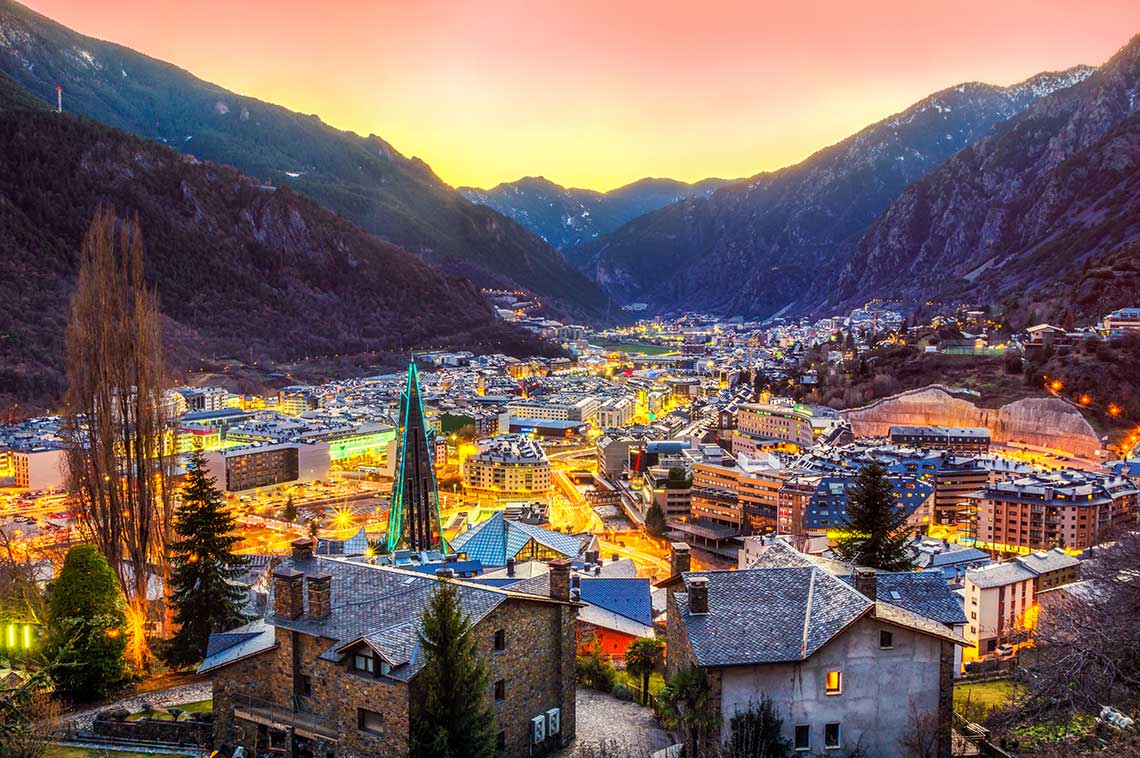
love4livi.com – Andorra, a small principality nestled in the Pyrenees mountains between France and Spain, has long relied on tourism as a cornerstone of its economy. However, recent years have seen a concerted effort to diversify its economic model, moving beyond traditional winter tourism and into other sectors. This article explores the current state of Andorra’s economy, highlighting the key sectors driving diversification and the role of women entrepreneurs in this transformation.

The Traditional Economic Model

Tourism has been the backbone of Andorra’s economy for decades, attracting visitors with its duty-free shopping, winter sports, and summer hiking opportunities. The country’s economy is also supported by a robust banking sector and retail trade, which cater to tourists from neighboring countries like France and Spain.

Diversification Efforts

Recognizing the need to reduce its dependence on tourism, Andorra has embarked on a path of economic diversification. This includes investments in sectors such as information technology (IT), education, and digitalization. The country’s strategic location and stable political environment make it an attractive location for businesses looking to expand into Europe.

Key Sectors of Diversification

  1. Banking and Finance: Andorra’s banking sector remains a significant contributor to its economy, offering a range of financial services that attract international clients.
  2. Retail: As a duty-free zone, Andorra continues to attract shoppers from neighboring countries, particularly for luxury goods.
  3. IT and Technology: The government and private sector are investing in IT infrastructure and digital services, aiming to position Andorra as a tech hub in Europe.
  4. Education: Efforts are underway to develop educational institutions that can attract international students and professionals, contributing to the knowledge economy.

The Role of Women Entrepreneurs

Women entrepreneurs in Andorra are playing a crucial role in the country’s economic diversification. They are actively involved in setting up businesses in sectors like IT, education, and other emerging fields, contributing to the nation’s ambitious plans for economic diversification.

Women Entrepreneurship Initiatives

  • Support Programs: The government and private organizations are providing support to women entrepreneurs through training programs, financial assistance, and mentorship opportunities.
  • Networking and Collaboration: Women entrepreneurs are encouraged to network and collaborate with each other, fostering a community that supports innovation and growth.

Challenges and Opportunities

While Andorra’s diversification efforts are promising, the country faces several challenges. The economy remains highly dependent on the hospitality sector, particularly winter tourism, which can be volatile due to seasonal fluctuations and external factors like pandemics.

However, the ongoing process of digitalization and the proactive approach to diversification offer significant opportunities. By leveraging its strategic location and stable political environment, Andorra can continue to attract investment and grow in sectors like IT and education.

Conclusion

Andorra’s economic diversification is a testament to its commitment to sustainable growth and resilience. By moving beyond traditional tourism and into sectors like IT, education, and finance, the country is positioning itself for a future that is both stable and prosperous. The role of women entrepreneurs in this transformation is crucial, providing a dynamic and innovative force that drives the nation’s economic renaissance. As Andorra continues to evolve, it serves as a model for other small nations looking to diversify their economies in the face of global challenges.

Democracy and Governance: Albania’s Political Landscape

love4livi.com – Albania, a small country on the Balkan Peninsula, has undergone significant political transformation since the fall of its communist regime in 1991. The transition from a totalitarian state to a democratic republic has been marked by challenges and progress. This article explores the current political landscape of Albania, examining the state of its democracy, governance structures, and the challenges it faces in consolidating democratic norms.

The Road to Democracy

Albania’s journey towards democracy began with the collapse of the communist regime in 1991. The country held its first multi-party elections in 1992, marking the beginning of a new era. Since then, Albania has made strides in establishing democratic institutions, including a functioning parliamentary system, a free press, and civil society organizations.

The Parliamentary System

Albania operates under a parliamentary system, where the President is the head of state, and the Prime Minister is the head of government. The Parliament, consisting of 140 members, is the supreme representative body. Elections are held every four years, and the party or coalition that secures a majority forms the government.

Political Parties and Governance

The political landscape in Albania is dominated by two major parties: the Socialist Party (PS) and the Democratic Party (PD). These parties have alternated in power since the early 1990s, shaping the country’s governance and policies. The governance structure is often characterized by political polarization, which can hinder consensus-building and policy implementation.

Challenges to Democracy

Despite progress, Albania’s democracy faces several challenges. Corruption remains a significant issue, undermining public trust in institutions and hindering economic development. The judiciary, while undergoing reforms, still struggles with independence and efficiency. Additionally, media freedom, although generally respected, faces pressures from political interests.

European Integration and Reforms

Albania’s aspiration to join the European Union (EU) has been a driving force for political and economic reforms. The EU accession process has set benchmarks for democratic governance, rule of law, and human rights. The country has made efforts to meet these criteria, including judicial reforms and anti-corruption measures.

Conclusion

Albania’s political landscape reflects a country in transition, grappling with the complexities of consolidating democracy and good governance. While challenges remain, the country’s commitment to European integration and the reforms it entails offer a path forward. The future of Albania’s democracy will depend on its ability to address corruption, strengthen institutions, and foster a culture of political pluralism and accountability.

Balancing Growth : China’s Environmental Challenges

love4livi.com – China, the world’s second-largest economy, has undergone rapid industrialization and urbanization over the past few decades. This economic boom has lifted m

llions out of poverty but has also come with significant environmental challenges. The country now faces the daunting task of balancing its economic growth with environmental sustainability, a task that requires innovative solutions, policy reforms, and international cooperation.

The Scale of China’s Environmental Challenges

China’s environmental issues are vast and multifaceted, including air pollution, water scarcity, soil contamination, and biodiversity loss. The country is home to some of the world’s most polluted cities, with air quality that poses serious health risks to its citizens. Water pollution is another critical issue, with many rivers and lakes severely contaminated by industrial waste and agricultural runoff.

The Economic Growth Imperative

China’s economic growth has been fueled by heavy industry, manufacturing, and construction, sectors that are energy-intensive and often environmentally damaging. The government has long prioritized economic development over environmental protection, a strategy that has led to significant environmental degradation.

Shifting Priorities: The Push for Sustainability

Recognizing the unsustainable nature of its development path, China has begun to shift its priorities. The government has set ambitious targets for reducing pollution, increasing the share of renewable energy, and promoting green industries. The 13th Five-Year Plan, for example, includes specific goals for reducing carbon emissions and improving air quality.

Policy Reforms and Innovations

China has introduced a range of policies and initiatives aimed at addressing its environmental challenges. These include stricter environmental regulations, investments in renewable energy, and the promotion of green technologies. The country is also experimenting with market-based solutions, such as carbon trading schemes, to reduce emissions.

International Cooperation and Leadership

China is increasingly playing a leadership role in global environmental governance. It has committed to the Paris Agreement and is working with other countries to address climate change. China’s Belt and Road Initiative (BRI) also presents an opportunity for promoting sustainable development, although there are concerns about the environmental impact of some BRI projects.

Challenges Ahead

Despite these efforts, China faces significant challenges in balancing growth with sustainability. Economic pressures, vested interests, and the sheer scale of the country’s environmental problems make the task complex and difficult. Moreover, the COVID-19 pandemic has added new uncertainties to the global economic landscape, potentially undermining sustainability efforts.

Conclusion

China’s environmental challenges are a microcosm of the broader global struggle to reconcile economic development with environmental protection. The country’s success in balancing growth and sustainability will not only determine its own future but also have significant implications for the planet. As China continues to grapple with these issues, the world will be watching closely, hoping that its efforts can serve as a model for sustainable development.

A Culinary Journey: The Portuguese Seafood

love4livi.com – Portugal, a country with a rich maritime history, is renowned for its stunning coastline and the bounty of seafood it provides. The Portuguese cuisine, deeply influenced by the sea, offers a plethora of seafood dishes that are a testament to the country’s culinary prowess. From the freshest catches of the day to traditional recipes passed down through generations, Portuguese seafood is a journey through flavors, textures, and traditions.

The Heart of Portuguese Seafood: The Azores and Algarve

The Azores and Algarve regions are the heart of Portuguese seafood. The Azores, an archipelago in the Atlantic Ocean, is known for its sustainable fishing practices and the abundance of marine life. Here, you can find dishes like the traditional Azorean stew, “Caldeirada,” a hearty fish stew made with a variety of fish, potatoes, onions, tomatoes, and herbs.

The Algarve, on the southern coast, boasts some of the best seafood restaurants in the country. The region is famous for its sardines, grilled to perfection and often served with bread and a squeeze of lemon. The Algarve’s coastline also offers a variety of shellfish, such as clams and mussels, which are often used in dishes like “Amodo de Bolhão Pato,” a spicy clam dish that is a must-try.

The Art of Preparation: Simplicity and Freshness

Portuguese seafood dishes are celebrated for their simplicity and the freshness of the ingredients. The preparation methods are designed to enhance the natural flavors of the seafood, rather than mask them. Grilling, steaming, and poaching are common cooking techniques that preserve the delicate taste and texture of the fish and shellfish.

One of the most iconic Portuguese seafood dishes is “Bacalhau,” or salted cod. It’s said that there are over 1,000 ways to prepare bacalhau in Portugal, from the simple “Bacalhau Assado” (grilled cod) to the more elaborate “Bacalhau à Brás,” a scrambled egg and potato dish with shreds of cod.

The Role of Seafood in Portuguese Culture

Seafood is not just a culinary delight in Portugal; it’s a cornerstone of the country’s culture and identity. The Portuguese have a deep connection to the sea, and this is reflected in their cuisine. Festivals and celebrations often revolve around seafood, with events like the “Festa do Marisco” (Seafood Festival) in Matosinhos, where locals and tourists alike gather to enjoy the freshest seafood, accompanied by local wines and music.

Sustainability and the Future of Portuguese Seafood

As the world becomes more conscious of sustainable practices, Portugal is leading the way in sustainable seafood. The country’s commitment to preserving its marine ecosystems ensures that future generations can continue to enjoy the rich seafood traditions. From small-scale fisheries to aquaculture, Portugal is exploring innovative methods to maintain its seafood bounty while protecting the environment.

Conclusion

The Portuguese seafood experience is more than just a meal; it’s a journey through the country’s history, culture, and traditions. With its emphasis on freshness, simplicity, and flavor, Portuguese seafood stands out as a culinary treasure. Whether you’re indulging in a traditional bacalhau dish or savoring the catch of the day, the seafood of Portugal promises an unforgettable taste of the sea.

The Paso Doble: Spain’s Dramatic Ballroom Dance

love4livi.com – The Paso Doble, a captivating and fiery dance, is a staple of Spanish culture, embodying the essence of drama, passion, and pride. Originating from the Iberian Peninsula, this dance has evolved from its military roots to become a beloved form of expression in ballroom dance competitions and social gatherings worldwide. The Paso Doble, meaning “double step” in Spanish, is characterized by its quick, sharp movements and the dancers’ powerful presence, making it a thrilling spectacle for audiences.

The Origins of Paso Doble

The history of Paso Doble is deeply intertwined with the Spanish bullfighting tradition. The dance was initially a theatrical representation of the bullfighter’s ritual, mimicking the matador’s movements and the bull’s reactions. Over time, it evolved from a solo performance to a partner dance, incorporating elements of the military march and the dramatic flair of the bullring. The Paso Doble’s development reflects the changing societal attitudes towards bullfighting, from a respected art form to a controversial practice, yet the dance remains a vibrant emblem of Spanish heritage.

The Characteristics of Paso Doble

Paso Doble is danced to the rhythm of the march, with music typically featuring castanets, trumpets, and a strong, steady beat. The dance is performed in hold position, with the man leading and the woman following. The leader’s role is akin to that of the matador, executing sharp, precise steps and dramatic flourishes, while the follower embodies the cape, moving with elegance and grace. The Paso Doble is known for its intricate footwork, powerful strides, and the dancers’ ability to convey a story through their movements.

Technique and Style

The technique of Paso Doble requires strength, agility, and precise timing. Dancers must master the art of executing quick, sharp movements with control and elegance. The dance is performed in high heels, adding to the challenge and spectacle of the performance. The style of Paso Doble is characterized by its theatricality; dancers often adopt personas and tell a story through their dance, whether it’s the drama of the bullfight or a tale of love and passion.

Paso Doble in Competitive Dance

Paso Doble is one of the five International Latin dances recognized in competitive ballroom dancing. It is celebrated for its technical difficulty and the emotional depth that dancers can convey. Competitive Paso Doble routines are meticulously choreographed to showcase the dancers’ skill, artistry, and interpretation of the music. Judges evaluate performances based on technique, execution, musicality, and the dancers’ ability to embody the spirit of the Paso Doble.

The Cultural Significance of Paso Doble

Beyond its competitive and performance aspects, Paso Doble holds significant cultural value. It is a symbol of Spanish identity, reflecting the country’s rich history and traditions. The dance has been embraced by the international community, introducing audiences worldwide to the passion and drama that define Spanish culture. Paso Doble has also been featured in various forms of media, from films and television shows to music videos, further popularizing its appeal.

Conclusion

The Paso Doble is more than just a dance; it is a celebration of Spanish culture, a testament to human strength and grace, and a powerful form of artistic expression. Its evolution from a theatrical representation of bullfighting to a beloved ballroom dance speaks to its versatility and enduring appeal. Whether performed in competition, on stage, or at social events, the Paso Doble continues to captivate audiences with its drama, passion, and unparalleled beauty.

Tradition, Transformation, and Identity: The American South

love4livi.com – The American South, a region rich in history, culture, and tradition, has long been a focal point of fascination and study. Known for its distinctive customs, dialects, and culinary delights, the South has undergone significant transformation over the centuries, yet it retains a strong sense of identity that sets it apart from the rest of the United States. This article explores the delicate balance between tradition and transformation in the American South and how these elements contribute to the region’s unique identity.

Tradition

The South’s traditions are deeply rooted in its history, which includes the colonial era, the Civil War, and the civil rights movement. These events have shaped the region’s cultural landscape, influencing everything from music and literature to social norms and religious practices. Traditional Southern hospitality, with its emphasis on politeness, generosity, and community, is a hallmark of the region. The South is also known for its culinary traditions, with dishes like fried chicken, biscuits and gravy, and sweet tea being emblematic of Southern cuisine.

Music is another cornerstone of Southern tradition, with genres like blues, jazz, country, and gospel originating in the region. These musical forms have not only defined the South but have also had a profound impact on American and global culture. Literature, too, plays a significant role, with Southern writers such as William Faulkner, Flannery O’Connor, and Harper Lee offering profound insights into the region’s complex social fabric.

Transformation

Despite its strong adherence to tradition, the South has undergone significant transformation. The civil rights movement of the 1950s and 1960s was a pivotal moment in the region’s history, challenging long-standing racial inequalities and pushing for social change. This period marked a shift towards a more inclusive society, although the legacy of racial injustice remains a challenge the South continues to confront.

Economic development has also transformed the South, with the rise of industries such as technology, finance, and manufacturing. Cities like Atlanta, Charlotte, and Nashville have become economic powerhouses, attracting businesses and residents from across the country. This growth has brought about changes in demographics, with an influx of people from different backgrounds contributing to a more diverse cultural landscape.

Identity

The South’s identity is a tapestry woven from the threads of tradition and transformation. It is a region that cherishes its past while embracing the future. The Southern identity is characterized by resilience, adaptability, and a deep connection to place. Southerners often identify strongly with their regional heritage, yet they are also open to change and new influences.

The South’s identity is also shaped by its natural beauty, from the Appalachian Mountains to the Gulf Coast beaches, and its commitment to preserving the environment. The region’s identity is further defined by its unique dialects and colloquialisms, which add to the charm and distinctiveness of the South.

Conclusion

The American South is a region of contrasts, where tradition and transformation coexist and contribute to a vibrant and evolving identity. While the South holds onto its cherished customs and history, it also adapts to the changing world, making it a dynamic and fascinating place. The South’s ability to balance these elements is a testament to its strength and resilience, ensuring that it will continue to captivate and inspire for generations to come. As the region moves forward, it will undoubtedly face new challenges and opportunities, but its enduring spirit will remain a defining feature of the American South.

Australia’s Commitment to the Environment: Sustainable Living

love4livi.com – In an era where environmental sustainability is not just a buzzword but a necessity for the survival of our planet, Australia stands out as a nation making significant strides towards a greener future. With its unique biodiversity, vast natural landscapes, and a population increasingly aware of the impact of human activity on the environment, Australia’s commitment to sustainable living is more than just a policy; it’s a way of life. This article delves into the various initiatives, challenges, and successes that Australia has encountered on its journey towards environmental sustainability.

The Australian Government’s Role in Sustainability: The Australian government has recognized the importance of environmental sustainability and has implemented a range of policies and initiatives to address climate change, reduce carbon emissions, and protect natural habitats. The introduction of renewable energy targets, investment in clean energy technologies, and the establishment of protected areas are key examples of the government’s commitment to sustainability.

Renewable Energy Revolution: Australia is at the forefront of the global energy transition, with a significant investment in renewable energy sources such as solar, wind, and hydro. The country boasts some of the world’s largest solar farms and wind turbines, and there is a growing trend of households installing solar panels to reduce reliance on fossil fuels. This shift towards renewable energy is not only reducing Australia’s carbon footprint but also creating new job opportunities and driving economic growth.

Conservation and Biodiversity: Australia’s unique ecosystems, including the Great Barrier Reef, Kakadu National Park, and the Tasmanian Wilderness, are under threat from climate change, pollution, and invasive species. The government and various non-profit organizations are working tirelessly to conserve these natural treasures. Conservation efforts include habitat restoration, wildlife protection programs, and initiatives to combat climate change impacts on biodiversity.

Sustainable Agriculture: The agricultural sector is a significant contributor to Australia’s economy and plays a crucial role in the nation’s commitment to sustainability. Farmers are adopting sustainable practices such as crop rotation, organic farming, and water conservation to reduce their environmental impact. The government supports these efforts through incentives and regulations that promote sustainable land management and reduce agricultural emissions.

Challenges and Opportunities: Despite its efforts, Australia faces several challenges in its pursuit of sustainability. The country’s reliance on coal and other fossil fuels, the impact of climate change on its fragile ecosystems, and the need to balance economic development with environmental protection are ongoing issues. However, these challenges also present opportunities for innovation, collaboration, and leadership on the global stage.

Conclusion: Australia’s commitment to sustainable living is a testament to the nation’s understanding of the importance of environmental stewardship. From renewable energy to conservation and sustainable agriculture, Australia is taking proactive steps to protect its natural heritage for future generations. As the world continues to grapple with the impacts of climate change and environmental degradation, Australia’s journey towards sustainability serves as an inspiration and a model for other nations to follow. The path to a sustainable future is not without its obstacles, but with continued dedication and innovation, Australia is proving that a greener, more sustainable world is within reach.