

Exploring Laksa: A Culinary Journey Through Southeast Asia

love4livi.com – Laksa is a beloved noodle soup with deep roots in Southeast Asian cuisine, celebrated for its bold flavors and rich history. This delectable dish typically comes in two main varieties: the coconut milk-based curry laksa and the tangy, sour asam laksa. Each version offers a unique taste experience, drawing from the diverse cultural influences of the region. Let’s dive into the world of laksa and discover what makes this dish so special.

The Origins of Laksa

Laksa is a culinary staple in countries like Malaysia, Singapore, and Indonesia, where it has become an integral part of the local food culture. The origins of laksa are somewhat elusive, with various theories about its beginnings. Some suggest it was brought to Southeast Asia by Chinese immigrants, while others believe it evolved from traditional Malay and Peranakan cooking practices. Regardless of its origins, laksa has become a symbol of cultural fusion, combining elements from Chinese, Malay, and other Southeast Asian cuisines.

Types of Laksa

Curry Laksa

Curry laksa, also known as laksa lemak, is a rich and creamy noodle soup made with coconut milk. The base is a fragrant, spicy paste typically made from ingredients like lemongrass, galangal, turmeric, and chili. This is then combined with coconut milk to create a luscious, aromatic broth. Curry laksa often includes a variety of proteins such as chicken, prawns, or fish, along with tofu puffs, bean sprouts, and fresh herbs. The noodles are usually thick rice vermicelli, although egg noodles are sometimes used.

Asam Laksa

In contrast, asam laksa offers a completely different flavor profile. This variety is distinguished by its tangy, sour broth made from tamarind paste, which gives it a refreshing kick. Asam laksa is typically made with mackerel and garnished with ingredients like cucumber, pineapple, mint leaves, and a dollop of shrimp paste. The noodles are usually thinner rice vermicelli, allowing the tangy broth to shine through.

The Cultural Significance of Laksa

Laksa is more than just a dish; it is a reflection of the multicultural tapestry of Southeast Asia. Each region has its own version of laksa, with variations in ingredients and preparation methods. For example, Penang asam laksa is renowned for its strong tamarind flavor, while Singaporean laksa is known for its spicy, coconut-rich broth. The dish is often enjoyed during festive occasions and family gatherings, symbolizing warmth and togetherness.

Enjoying Laksa

Whether you’re a fan of creamy, spicy soups or prefer something with a tangy kick, laksa offers something for everyone. It is a dish best savored slowly, allowing the complex flavors to meld together. Traditionally, laksa is served with a side of sambal chili paste, allowing diners to customize the level of heat to their preference.

In conclusion, laksa is a testament to the rich culinary heritage of Southeast Asia. Its bold flavors, diverse ingredients, and comforting warmth make it a favorite among locals and tourists alike. Next time you find yourself in a Southeast Asian country, be sure to seek out this iconic dish and experience the vibrant flavors that have captivated food lovers around the world.

Singapore: A Safe Harbor in Southeast Asia

love4livi.com – Singapore, a vibrant city-state located at the crossroads of Southeast Asia, is widely recognized as a safe and thriving global hub. Known for its efficient governance, multicultural society, and economic prowess, Singapore stands out as a beacon of stability and innovation.

A Model of Safety and Security

Singapore is renowned for its low crime rates and effective law enforcement, making it one of the safest cities in the world. The government’s emphasis on public safety, coupled with a strong legal framework, ensures a secure environment for residents and visitors alike. This reputation as a safe harbor attracts businesses, tourists, and expatriates from around the globe.

Economic Powerhouse and Innovation Hub

As a leading financial center, Singapore boasts a robust economy characterized by its openness to trade, investment, and innovation. The city-state’s strategic location, world-class infrastructure, and business-friendly policies have made it a preferred destination for multinational corporations. Its commitment to innovation is evident in its thriving tech ecosystem and initiatives to foster research and development.

A Melting Pot of Cultures

Singapore’s multicultural society is a testament to its rich tapestry of ethnicities, languages, and traditions. The harmonious coexistence of diverse communities is celebrated through various cultural festivals, cuisine, and heritage sites. Visitors can explore vibrant neighborhoods like Chinatown, Little India, and Kampong Glam, each offering a unique glimpse into Singapore’s cultural diversity.

Green Spaces and Urban Planning

Despite its urban density, Singapore is renowned for its green spaces and sustainable urban planning. The city’s commitment to environmental conservation is evident in its lush parks, nature reserves, and iconic Gardens by the Bay. Initiatives like the “City in a Garden” aim to integrate nature into urban living, enhancing the quality of life for its residents.

Gateway to Asia

Singapore’s strategic location and excellent connectivity make it a gateway to Asia. Its world-class Changi Airport, efficient public transportation system, and bustling port facilitate seamless travel and trade. This connectivity, coupled with its cosmopolitan outlook, makes Singapore an ideal base for exploring the diverse cultures and economies of the region.

In conclusion, Singapore’s reputation as a safe harbor is well-deserved, thanks to its emphasis on security, economic vitality, and cultural harmony. Whether you’re visiting for business, leisure, or exploration, Singapore offers a dynamic and welcoming environment that captivates and inspires.

Asia’s Architectural Marvels: From Ancient to Modern

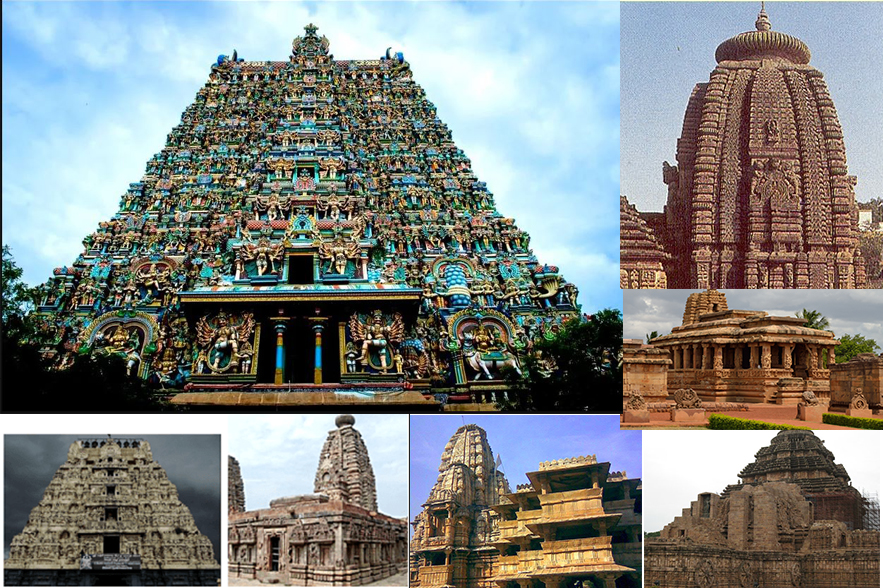
love4livi.com – Asia, a continent steeped in history and culture, is home to some of the world’s most iconic architectural wonders. From ancient temples and palaces to cutting-edge skyscrapers, Asia’s architecture is a testament to its rich heritage and innovative spirit. This article explores the architectural marvels that define Asia’s landscape, showcasing the region’s journey from ancient times to the modern era.

Ancient Architectural Wonders

The Great Wall of China

One of the most famous structures in the world, the Great Wall of China stretches over 13,000 miles. Built over several dynasties to protect against invasions, it stands as a symbol of China’s historical strength and engineering prowess.

Angkor Wat, Cambodia

Angkor Wat, the largest religious monument in the world, reflects the grandeur of the Khmer Empire. Originally constructed as a Hindu temple dedicated to Vishnu, it later transformed into a Buddhist temple, showcasing intricate carvings and architectural brilliance.

The Taj Mahal, India

A masterpiece of Mughal architecture, the Taj Mahal in Agra is a symbol of love, built by Emperor Shah Jahan in memory of his wife Mumtaz Mahal. Its stunning white marble façade and intricate inlay work attract millions of visitors each year.

Kyoto’s Temples, Japan

Kyoto, the ancient capital of Japan, is home to numerous temples and shrines, including Kinkaku-ji (the Golden Pavilion) and Fushimi Inari Taisha. These sites reflect the elegance and spiritual significance of traditional Japanese architecture.

Modern Architectural Marvels

Petronas Towers, Malaysia

The Petronas Towers in Kuala Lumpur were once the tallest buildings in the world and remain an icon of modern engineering. Their sleek design and twin structure symbolize Malaysia’s growth and ambition.

Marina Bay Sands, Singapore

Marina Bay Sands is an architectural and engineering marvel, known for its unique design featuring a ship-like structure atop three towers. It has become a symbol of Singapore’s modernity and innovation.

Burj Khalifa, United Arab Emirates

Though not in Asia geographically, the Burj Khalifa in Dubai is often associated with the Middle East’s architectural landscape. As the tallest building in the world, it exemplifies modern engineering and design innovation.

Taipei 101, Taiwan

Once the world’s tallest building, Taipei 101 is renowned for its distinctive design and advanced engineering to withstand earthquakes and typhoons. It represents Taiwan’s blend of tradition and modernity.

Conclusion

Asia’s architectural marvels, from ancient temples to futuristic skyscrapers, reflect the region’s diverse cultures and historical evolution. They stand as symbols of human creativity and resilience, inspiring awe and admiration. As Asia continues to grow and innovate, its architectural landscape will undoubtedly evolve, offering new marvels for future generations to explore and appreciate.

Diverse Traditions: The Development of Buddhism in Asia

love4livi.com – Buddhism, one of the world’s oldest religions, has a rich and complex history that spans over 2,500 years. Originating in India, it has spread across Asia, taking root in diverse cultures and evolving into a multitude of traditions. This article explores the development of Buddhism in Asia, highlighting its diverse expressions and the factors that have contributed to its rich tapestry of beliefs and practices.

The Origins of Buddhism

Buddhism was founded by Siddhartha Gautama, who later became known as the Buddha, meaning “the awakened one.” Born in Lumbini, in present-day Nepal, around the 5th century BCE, the Buddha’s teachings focused on the nature of suffering and the path to enlightenment. The core principles of Buddhism include the Four Noble Truths and the Eightfold Path, which together outline a path to liberation from the cycle of rebirth and suffering.

Spread of Buddhism in Asia

Buddhism began to spread beyond its birthplace in India during the reign of Emperor Ashoka in the 3rd century BCE. Ashoka, who converted to Buddhism after witnessing the devastation of war, became a fervent supporter of the religion and sent missionaries across Asia to spread the Buddha’s teachings. This period marked the beginning of Buddhism’s expansion, with significant developments occurring in several key regions.

Buddhism in China

Buddhism entered China through the Silk Road in the 1st century CE, gradually integrating with Chinese culture and philosophy. It blended with Confucianism and Taoism, leading to the development of Chan Buddhism, known as Zen in Japan. This school emphasizes meditation and the direct experience of enlightenment.

Buddhism in Tibet

Tibetan Buddhism, also known as Vajrayana or Tantric Buddhism, emerged from the fusion of Indian Buddhism with the indigenous Bon religion. It is characterized by its rituals, meditation practices, and the belief in bodhisattvas, beings who are on the path to enlightenment but choose to remain in the cycle of rebirth to help others.

Buddhism in Japan

Japanese Buddhism has several distinct schools, including Pure Land (Jodo), Zen, and Nichiren. Pure Land Buddhism focuses on the belief in Amitabha Buddha and the promise of rebirth in the Pure Land, a place of peace and enlightenment. Zen Buddhism, as mentioned, emphasizes meditation and direct insight into the nature of reality. Nichiren Buddhism, named after its founder, focuses on the Lotus Sutra and the chanting of a mantra.

Buddhism in Southeast Asia

In countries like Thailand, Cambodia, Laos, and Myanmar, Theravada Buddhism is the dominant form. Theravada, meaning “teaching of the elders,” is one of the earliest Buddhist schools and emphasizes the monastic life and the Pali Canon, the earliest collection of Buddhist teachings.

Factors Influencing Diversity

The development of Buddhism into diverse traditions was influenced by several factors, including cultural integration, political patronage, and the contributions of individual teachers and scholars. The interaction between Buddhism and local cultures led to the adaptation of Buddhist practices and beliefs to fit local contexts, resulting in the rich diversity seen today.

Conclusion

The development of Buddhism in Asia has been a dynamic process, shaped by historical, cultural, and religious forces. Today, Buddhism continues to be a living tradition, with its diverse forms reflecting the varied paths to enlightenment that it offers. Despite the differences among its various schools and traditions, Buddhism remains united by its core teachings and the shared goal of liberation from suffering. As it continues to evolve, Buddhism’s capacity to adapt and integrate with different cultures stands as a testament to its enduring relevance and appeal.