Rice and Peas: A Jamaican Culinary Staple

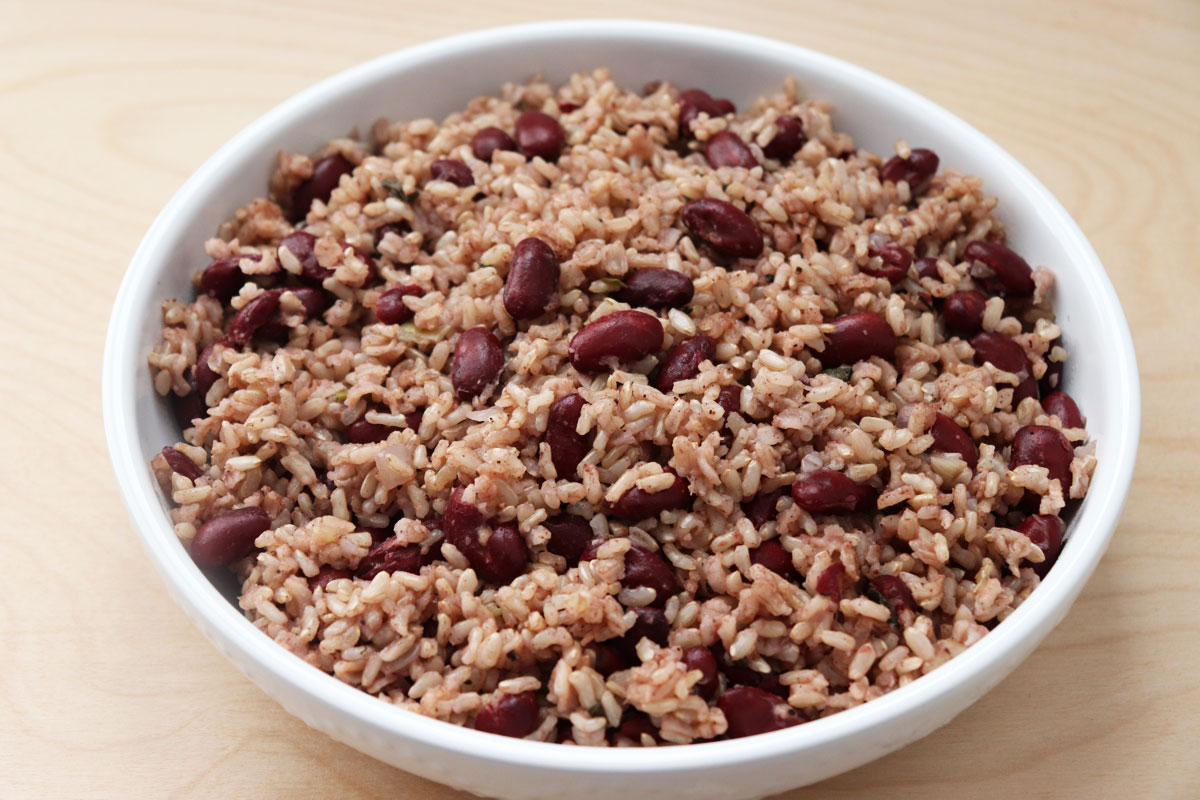
love4livi.com – Rice and peas is a beloved Jamaican dish that serves as a comforting and flavorful accompaniment to a variety of meals. While the name might suggest a combination of rice and green peas, it’s actually a savory dish made with red kidney beans, rice, coconut milk, and a blend of aromatic spices.

The Origins of Rice and Peas

The origins of rice and peas can be traced back to the African diaspora, particularly West Africa. Enslaved Africans brought their culinary traditions to the Caribbean, including the use of rice and beans. Over time, Jamaican cooks adapted these traditions, incorporating local ingredients and spices to create a unique and delicious dish.

The Essential Ingredients

The key ingredients in rice and peas are:

  • Rice: Long-grain white rice is commonly used, although other varieties can also be used.
  • Red Kidney Beans: These beans provide a hearty texture and a rich, earthy flavor.
  • Coconut Milk: Coconut milk adds a creamy texture and a tropical flavor to the dish.
  • Aromatic Spices: A blend of spices, including thyme, allspice, and Scotch bonnet peppers, gives the dish its distinctive flavor.
  • Onions, Garlic, and Scallions: These aromatic ingredients provide a savory base for the dish.

The Cooking Process

The cooking process for rice and peas is relatively simple. Here’s a general overview:

  1. Soaking the Beans: The red kidney beans are soaked in water overnight to soften them and reduce cooking time.
  2. Sautéing the Aromatics: Onions, garlic, and scallions are sautéed in oil until softened and fragrant.
  3. Adding the Beans and Spices: The soaked beans, along with the aromatic spices, are added to the pot and sautéed for a few minutes.
  4. Adding the Rice and Coconut Milk: The rice and coconut milk are added to the pot, along with enough water to cover the ingredients.
  5. Simmering: The pot is brought to a boil, then reduced to a simmer and covered. The rice and beans are cooked until tender and the liquid is absorbed.

Serving Suggestions

Rice and peas is a versatile dish that can be enjoyed with a variety of main courses, including jerk chicken, curry goat, and oxtail. It’s often served with a side of coleslaw or a fresh salad.

Cultural Significance

Rice and peas holds a special place in Jamaican culture. It’s a staple food that’s often served at celebrations and family gatherings. The dish symbolizes unity, nourishment, and the richness of Jamaican heritage.

Mallorca: A Mediterranean Paradise – A Culinary Delight

love4livi.com – Mallorca, the largest of the Balearic Islands, is a captivating destination that effortlessly blends stunning natural beauty, rich history, and vibrant culture. With its sun-kissed beaches, picturesque villages, and lively cities, Mallorca offers something for everyone.   

A Tapestry of Coastal Beauty

Mallorca’s coastline is a masterpiece, boasting a diverse array of beaches, from the bustling resorts of Palma de Mallorca to the secluded coves of the Serra de Tramuntana. The island’s crystal-clear waters, soft sands, and dramatic cliffs create a breathtaking backdrop for sunbathing, swimming, and water sports.   

A Journey Through Time

The island’s history is as captivating as its natural beauty. The charming old town of Palma de Mallorca, with its Gothic cathedral and historic palaces, offers a glimpse into the island’s rich past. The Serra de Tramuntana, a UNESCO World Heritage Site, is a mountainous region with picturesque villages, ancient monasteries, and breathtaking hiking trails.   

A Culinary Delight

Mallorcan cuisine is a delightful fusion of Mediterranean flavors, influenced by both Spanish and Arabic traditions. Fresh seafood, locally sourced produce, and aromatic herbs are the hallmarks of the island’s culinary scene. From traditional tapas to innovative gourmet dishes, Mallorca’s restaurants offer a wide range of dining experiences.   

A Vibrant Nightlife

Mallorca’s nightlife is as diverse as its landscapes. Palma de Mallorca, the island’s capital, is home to a vibrant nightlife scene, with trendy bars, chic nightclubs, and lively music venues. For a more laid-back evening, head to one of the island’s charming coastal towns, where you can enjoy a leisurely dinner by the sea, followed by a stroll along the waterfront.   

A Sustainable Future

In recent years, Mallorca has made significant strides in sustainable tourism. The island is committed to preserving its natural beauty and cultural heritage for future generations. By promoting eco-friendly practices and supporting local businesses, visitors can contribute to the island’s sustainable development.

Fish and Chips: A Classic Coastal Culinary Delight

love4livi.com – Fish and chips is a quintessential dish that holds a special place in the hearts of many, especially those near coastal regions. This classic meal, consisting of battered and fried fish served alongside crispy chips (fries), is beloved for its simplicity, satisfying flavors, and comforting appeal. In this article, we’ll explore the origins, preparation, and enduring popularity of fish and chips, highlighting why it remains a favorite for so many.

The Origins of Fish and Chips

Fish and chips have a storied history, with roots in both British and Jewish culinary traditions. The dish emerged in the United Kingdom during the 19th century, when fried fish was introduced by Jewish immigrants, and chips became a popular street food. The first fish and chip shop is believed to have opened in London in 1860, and the meal quickly became a staple of the British working class, thanks to its affordability and convenience.

How to Prepare Fish and Chips

The preparation of fish and chips involves selecting the right type of fish, creating a flavorful batter, and frying both components to golden perfection. Cod and haddock are traditional choices, although other white fish like pollock and plaice are also commonly used.

Ingredients

  • Fresh white fish fillets (such as cod or haddock)
  • 1 cup all-purpose flour
  • 1 teaspoon baking powder
  • 1 cup cold sparkling water or beer
  • Salt and pepper to taste
  • Potatoes for chips
  • Vegetable oil for frying

Directions

  1. Prepare the Chips: Peel and cut the potatoes into thick strips. Rinse them under cold water to remove excess starch, then pat dry with a towel.
  2. Make the Batter: In a bowl, mix the flour, baking powder, salt, and pepper. Gradually whisk in the sparkling water or beer until the batter is smooth and thick.
  3. Heat the Oil: In a deep fryer or large pot, heat vegetable oil to 350°F (180°C).
  4. Fry the Chips: Fry the potato chips in batches until golden and crispy, about 5-7 minutes. Remove with a slotted spoon and drain on paper towels.
  5. Batter and Fry the Fish: Dip the fish fillets in the batter, ensuring they are fully coated. Carefully lower the fish into the hot oil and fry until the batter is crisp and the fish is cooked through, about 4-5 minutes.
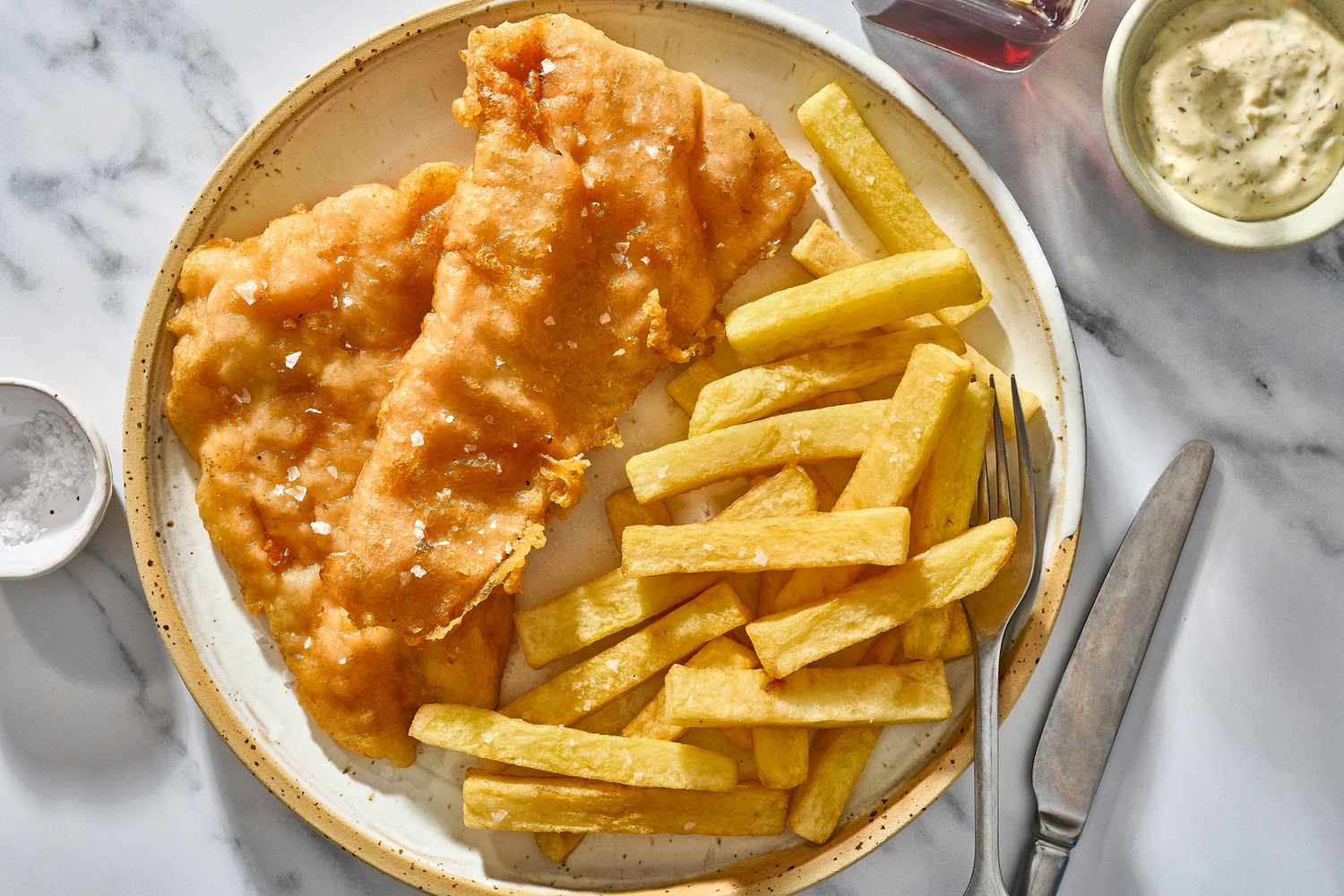
  6. Serve: Season the fish and chips with salt and serve immediately, often accompanied by tartar sauce, malt vinegar, or lemon wedges.

The Enduring Popularity of Fish and Chips

Fish and chips have remained a beloved dish for over a century, cherished for their comforting simplicity and timeless appeal. The meal is especially popular in coastal areas, where fresh fish is readily available, and seaside fish and chip shops are a common sight. The combination of tender fish, crispy batter, and golden chips creates a satisfying harmony of textures and flavors that few can resist.

Variations and Accompaniments

While the classic recipe remains popular, there are numerous variations and accompaniments to explore:

  • Different Fish: Some regions use local fish varieties, adding a unique twist to the dish.
  • Seasoned Chips: Adding herbs or spices to the chips can enhance their flavor.
  • Gourmet Toppings: Modern takes on fish and chips may include gourmet toppings like pea puree, pickled onions, or aioli.

Conclusion

Fish and chips is more than just a meal; it is a cultural icon that evokes nostalgia and comfort. Its enduring popularity is a testament to its universal appeal, offering a taste of the sea and a reminder of simpler times. Whether enjoyed at a seaside shack or a bustling city shop, fish and chips continue to be a cherished favorite for people around the world.

Exploring Laksa: A Culinary Journey Through Southeast Asia

love4livi.com – Laksa is a beloved noodle soup with deep roots in Southeast Asian cuisine, celebrated for its bold flavors and rich history. This delectable dish typically comes in two main varieties: the coconut milk-based curry laksa and the tangy, sour asam laksa. Each version offers a unique taste experience, drawing from the diverse cultural influences of the region. Let’s dive into the world of laksa and discover what makes this dish so special.

The Origins of Laksa

Laksa is a culinary staple in countries like Malaysia, Singapore, and Indonesia, where it has become an integral part of the local food culture. The origins of laksa are somewhat elusive, with various theories about its beginnings. Some suggest it was brought to Southeast Asia by Chinese immigrants, while others believe it evolved from traditional Malay and Peranakan cooking practices. Regardless of its origins, laksa has become a symbol of cultural fusion, combining elements from Chinese, Malay, and other Southeast Asian cuisines.

Types of Laksa

Curry Laksa

Curry laksa, also known as laksa lemak, is a rich and creamy noodle soup made with coconut milk. The base is a fragrant, spicy paste typically made from ingredients like lemongrass, galangal, turmeric, and chili. This is then combined with coconut milk to create a luscious, aromatic broth. Curry laksa often includes a variety of proteins such as chicken, prawns, or fish, along with tofu puffs, bean sprouts, and fresh herbs. The noodles are usually thick rice vermicelli, although egg noodles are sometimes used.

Asam Laksa

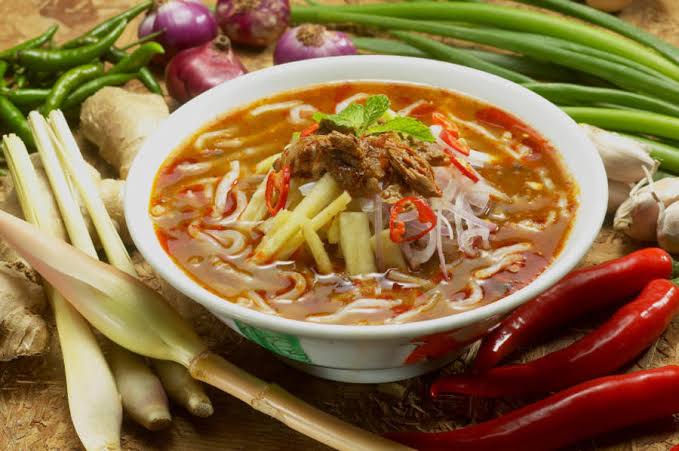
In contrast, asam laksa offers a completely different flavor profile. This variety is distinguished by its tangy, sour broth made from tamarind paste, which gives it a refreshing kick. Asam laksa is typically made with mackerel and garnished with ingredients like cucumber, pineapple, mint leaves, and a dollop of shrimp paste. The noodles are usually thinner rice vermicelli, allowing the tangy broth to shine through.

The Cultural Significance of Laksa

Laksa is more than just a dish; it is a reflection of the multicultural tapestry of Southeast Asia. Each region has its own version of laksa, with variations in ingredients and preparation methods. For example, Penang asam laksa is renowned for its strong tamarind flavor, while Singaporean laksa is known for its spicy, coconut-rich broth. The dish is often enjoyed during festive occasions and family gatherings, symbolizing warmth and togetherness.

Enjoying Laksa

Whether you’re a fan of creamy, spicy soups or prefer something with a tangy kick, laksa offers something for everyone. It is a dish best savored slowly, allowing the complex flavors to meld together. Traditionally, laksa is served with a side of sambal chili paste, allowing diners to customize the level of heat to their preference.

In conclusion, laksa is a testament to the rich culinary heritage of Southeast Asia. Its bold flavors, diverse ingredients, and comforting warmth make it a favorite among locals and tourists alike. Next time you find yourself in a Southeast Asian country, be sure to seek out this iconic dish and experience the vibrant flavors that have captivated food lovers around the world.

A Culinary Journey: The Portuguese Seafood

love4livi.com – Portugal, a country with a rich maritime history, is renowned for its stunning coastline and the bounty of seafood it provides. The Portuguese cuisine, deeply influenced by the sea, offers a plethora of seafood dishes that are a testament to the country’s culinary prowess. From the freshest catches of the day to traditional recipes passed down through generations, Portuguese seafood is a journey through flavors, textures, and traditions.

The Heart of Portuguese Seafood: The Azores and Algarve

The Azores and Algarve regions are the heart of Portuguese seafood. The Azores, an archipelago in the Atlantic Ocean, is known for its sustainable fishing practices and the abundance of marine life. Here, you can find dishes like the traditional Azorean stew, “Caldeirada,” a hearty fish stew made with a variety of fish, potatoes, onions, tomatoes, and herbs.

The Algarve, on the southern coast, boasts some of the best seafood restaurants in the country. The region is famous for its sardines, grilled to perfection and often served with bread and a squeeze of lemon. The Algarve’s coastline also offers a variety of shellfish, such as clams and mussels, which are often used in dishes like “Amodo de Bolhão Pato,” a spicy clam dish that is a must-try.

The Art of Preparation: Simplicity and Freshness

Portuguese seafood dishes are celebrated for their simplicity and the freshness of the ingredients. The preparation methods are designed to enhance the natural flavors of the seafood, rather than mask them. Grilling, steaming, and poaching are common cooking techniques that preserve the delicate taste and texture of the fish and shellfish.

One of the most iconic Portuguese seafood dishes is “Bacalhau,” or salted cod. It’s said that there are over 1,000 ways to prepare bacalhau in Portugal, from the simple “Bacalhau Assado” (grilled cod) to the more elaborate “Bacalhau à Brás,” a scrambled egg and potato dish with shreds of cod.

The Role of Seafood in Portuguese Culture

Seafood is not just a culinary delight in Portugal; it’s a cornerstone of the country’s culture and identity. The Portuguese have a deep connection to the sea, and this is reflected in their cuisine. Festivals and celebrations often revolve around seafood, with events like the “Festa do Marisco” (Seafood Festival) in Matosinhos, where locals and tourists alike gather to enjoy the freshest seafood, accompanied by local wines and music.

Sustainability and the Future of Portuguese Seafood

As the world becomes more conscious of sustainable practices, Portugal is leading the way in sustainable seafood. The country’s commitment to preserving its marine ecosystems ensures that future generations can continue to enjoy the rich seafood traditions. From small-scale fisheries to aquaculture, Portugal is exploring innovative methods to maintain its seafood bounty while protecting the environment.

Conclusion

The Portuguese seafood experience is more than just a meal; it’s a journey through the country’s history, culture, and traditions. With its emphasis on freshness, simplicity, and flavor, Portuguese seafood stands out as a culinary treasure. Whether you’re indulging in a traditional bacalhau dish or savoring the catch of the day, the seafood of Portugal promises an unforgettable taste of the sea.