
Providence, Rhode Island: A City of History, Arts

love4livi.com – Providence, the capital city of Rhode Island, is a charming urban destination that combines rich history, vibrant arts, and a dynamic waterfront. Known for its colonial past, its role in the American Industrial Revolution, and its modern cultural scene, Providence has something to offer every type of visitor. Whether you are walking along the scenic WaterFire installation, enjoying the culinary scene, or exploring the city’s many museums and theaters, Providence is a city that offers an inviting blend of old-world charm and contemporary appeal.

A City with Deep Historical Roots

Founded in 1636 by Roger Williams, Providence is one of the oldest cities in the United States. The city’s history is reflected in its well-preserved colonial architecture, historical landmarks, and museums. One of the key attractions for history enthusiasts is the John Brown House Museum, the former home of a prominent Providence merchant and slave trader, which offers a glimpse into the city’s early days. The Rhode Island State House, with its magnificent dome, is another iconic landmark and an architectural marvel. The city’s industrial past is also on display at the Museum of Work and Culture, which tells the story of Providence’s role in the Industrial Revolution.

Waterfront Beauty and Recreation

Providence is uniquely situated along the Woonasquatucket and Moshassuck Rivers, which converge at the city’s downtown waterfront. The city’s riverfront area offers picturesque views, walking paths, and opportunities for outdoor recreation. The highlight of Providence’s waterfront is the WaterFire installation, a breathtaking art display that takes place along the rivers, with over 80 bonfires lighting up the water while music fills the air. This spectacular event draws thousands of visitors to the city during the warmer months and has become one of Providence’s most popular cultural events.

A Thriving Arts and Cultural Scene

Providence is known for its vibrant arts and cultural scene, with a strong focus on local artists and performers. The city’s Arts District is home to numerous galleries, theaters, and cultural institutions, including the Rhode Island School of Design (RISD), one of the most prestigious art schools in the world. The RISD Museum is a must-see for art lovers, housing a vast collection of fine art, textiles, and decorative arts. The city is also home to the Trinity Repertory Company, a renowned regional theater company that offers a variety of plays and performances throughout the year. Providence’s annual PVDFest is a celebration of public art, music, dance, and culture, attracting artists from all over the world.

Providence’s Culinary Scene

Providence has earned a reputation as a foodie destination, with a diverse and dynamic culinary scene that reflects the city’s multicultural population. Federal Hill, the city’s Little Italy, is home to a wide range of Italian restaurants, markets, and bakeries, offering delicious pasta, seafood, and pastries. The city is also known for its creative and contemporary dining, with a growing number of farm-to-table restaurants and upscale eateries. Seafood lovers will appreciate Providence’s access to fresh local fish and shellfish, particularly at restaurants like The Capital Grille and Hemenway’s. In addition to fine dining, the city’s food trucks and casual eateries provide a variety of quick bites and global cuisine options.

Education and Innovation

Providence is an educational and intellectual hub, home to several renowned universities and institutions. The Rhode Island School of Design (RISD) is one of the top art and design schools in the world, drawing students and professionals from across the globe. Brown University, an Ivy League institution, is located just a short distance from the city center and contributes to the intellectual and cultural vibrancy of the region. Providence’s commitment to education and innovation is further seen in the growing tech and startup ecosystem, particularly in industries such as digital media, healthcare, and design. The city’s universities and incubators foster creativity and entrepreneurship, making Providence an exciting place for young professionals.

Diverse Neighborhoods and Community Life

Providence is a city of diverse neighborhoods, each with its own character and charm. The East Side of Providence is home to upscale neighborhoods, such as College Hill and Wayland Square, which offer beautiful historic homes, tree-lined streets, and a variety of independent shops and cafes. Federal Hill, the Italian-American district, is known for its rich cultural heritage, delicious food, and lively atmosphere. The Jewelry District, once home to the city’s jewelry manufacturing industry, is now an up-and-coming neighborhood with new residential developments and trendy restaurants. Each neighborhood offers a unique experience, and the city’s compact size makes it easy to explore on foot or by bike.

Sustainability and Green Spaces

Providence is also a city that places a strong emphasis on sustainability and environmental consciousness. The city has made strides in expanding green spaces and encouraging eco-friendly practices. Roger Williams Park, one of the largest urban parks in the United States, offers beautiful gardens, walking paths, a zoo, and a museum, making it a favorite destination for both residents and visitors. The city’s commitment to sustainability is reflected in initiatives like the Clean Water Act, which aims to improve the city’s waterways, and various green-building projects in new developments. Providence also has an extensive network of bike lanes and public transportation options, making it easy for residents to reduce their carbon footprint.

Conclusion

Providence, Rhode Island, is a city that beautifully blends its rich historical roots with a modern cultural and artistic landscape. From its colonial architecture and historical landmarks to its thriving arts scene and dynamic culinary offerings, Providence offers a wealth of experiences for visitors and residents alike. Whether you’re exploring the city’s waterfront, immersing yourself in its cultural festivals, or enjoying a meal at one of its top-rated restaurants, Providence is a city full of charm and opportunity. With its welcoming community, educational institutions, and commitment to sustainability, Providence is a hidden gem in New England that continues to evolve and inspire.

Exploring the Dynamics of “Friend Zone” (2019)

love4livi.com – Released in 2019, “Friend Zone” is a Thai romantic comedy film that explores the often complicated and emotional territory of friendships that border on romance. The film, directed by Chayanop Boonprakob, delves into the nuances of being stuck in a “friend zone,” where one person has romantic feelings while the other sees them purely as a friend.

Plot Summary

“Friend Zone” follows the story of Palm, a flight attendant, and Gink, his best friend from high school. Over the years, Palm has harbored feelings for Gink, but she only sees him as a friend. The film takes the audience through various humorous and emotional scenarios as Palm continues to support Gink through different phases of her life, all while concealing his true feelings.

Themes and Analysis

The film effectively highlights the theme of unrequited love, showcasing the emotional toll of being in love with someone who doesn’t reciprocate those feelings. It also explores the idea of timing in relationships—how sometimes being in the right place at the wrong time can lead to missed opportunities. The narrative is filled with comedic elements, making it relatable and engaging for the audience.

Character Development

Palm and Gink’s characters are well-developed, with their personalities shining through the narrative. Palm is portrayed as a loyal and patient friend, whose internal struggle is depicted with both humor and sincerity. Gink, on the other hand, is lively and somewhat oblivious to Palm’s feelings, adding depth to her character as she navigates her own romantic pursuits.

Cultural Impact

“Friend Zone” resonated with audiences not just in Thailand but internationally, as it touches on a universal theme that many people experience at some point in their lives. The film’s success led to discussions about the nature of friendships and love, challenging viewers to reflect on their own relationships.

Conclusion

“Friend Zone” (2019) is more than just a romantic comedy; it is a heartfelt exploration of love, friendship, and the complexities that often exist between the two. Its comedic yet poignant portrayal of unrequited love makes it a standout film in the romantic comedy genre, offering both entertainment and introspection for its viewers.

Exploring Laksa: A Culinary Journey Through Southeast Asia

love4livi.com – Laksa is a beloved noodle soup with deep roots in Southeast Asian cuisine, celebrated for its bold flavors and rich history. This delectable dish typically comes in two main varieties: the coconut milk-based curry laksa and the tangy, sour asam laksa. Each version offers a unique taste experience, drawing from the diverse cultural influences of the region. Let’s dive into the world of laksa and discover what makes this dish so special.

The Origins of Laksa

Laksa is a culinary staple in countries like Malaysia, Singapore, and Indonesia, where it has become an integral part of the local food culture. The origins of laksa are somewhat elusive, with various theories about its beginnings. Some suggest it was brought to Southeast Asia by Chinese immigrants, while others believe it evolved from traditional Malay and Peranakan cooking practices. Regardless of its origins, laksa has become a symbol of cultural fusion, combining elements from Chinese, Malay, and other Southeast Asian cuisines.

Types of Laksa

Curry Laksa

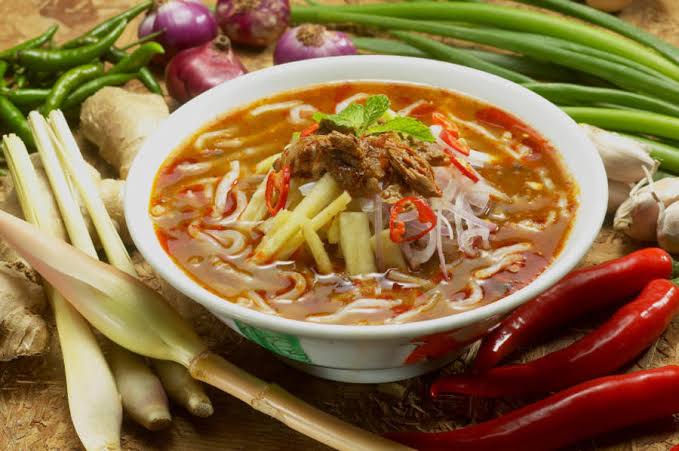
Curry laksa, also known as laksa lemak, is a rich and creamy noodle soup made with coconut milk. The base is a fragrant, spicy paste typically made from ingredients like lemongrass, galangal, turmeric, and chili. This is then combined with coconut milk to create a luscious, aromatic broth. Curry laksa often includes a variety of proteins such as chicken, prawns, or fish, along with tofu puffs, bean sprouts, and fresh herbs. The noodles are usually thick rice vermicelli, although egg noodles are sometimes used.

Asam Laksa

In contrast, asam laksa offers a completely different flavor profile. This variety is distinguished by its tangy, sour broth made from tamarind paste, which gives it a refreshing kick. Asam laksa is typically made with mackerel and garnished with ingredients like cucumber, pineapple, mint leaves, and a dollop of shrimp paste. The noodles are usually thinner rice vermicelli, allowing the tangy broth to shine through.

The Cultural Significance of Laksa

Laksa is more than just a dish; it is a reflection of the multicultural tapestry of Southeast Asia. Each region has its own version of laksa, with variations in ingredients and preparation methods. For example, Penang asam laksa is renowned for its strong tamarind flavor, while Singaporean laksa is known for its spicy, coconut-rich broth. The dish is often enjoyed during festive occasions and family gatherings, symbolizing warmth and togetherness.

Enjoying Laksa

Whether you’re a fan of creamy, spicy soups or prefer something with a tangy kick, laksa offers something for everyone. It is a dish best savored slowly, allowing the complex flavors to meld together. Traditionally, laksa is served with a side of sambal chili paste, allowing diners to customize the level of heat to their preference.

In conclusion, laksa is a testament to the rich culinary heritage of Southeast Asia. Its bold flavors, diverse ingredients, and comforting warmth make it a favorite among locals and tourists alike. Next time you find yourself in a Southeast Asian country, be sure to seek out this iconic dish and experience the vibrant flavors that have captivated food lovers around the world.

Exploring Pide: Turkey’s Delicious Flatbread Delight

love4livi.com – Pide is a traditional Turkish flatbread that has captured the hearts and taste buds of many around the world. Often compared to pizza due to its similar shape and variety of toppings, Pide offers a unique and flavorful experience that stands out in the realm of international cuisine. This article delves into the origins, preparation, and varieties of Pide, highlighting why it is a must-try dish for any food enthusiast.

Origins and History of Pide

Pide has a rich history that traces back to the traditional culinary practices of Turkey. It is believed to have originated in the Anatolian region, where bread-making has been a staple practice for centuries. The flatbread was a convenient and versatile meal for workers and travelers, offering sustenance with its hearty toppings and easy portability. Over time, Pide evolved and diversified, with each region of Turkey adding its own twist to the recipe.

Ingredients and Preparation

The base of Pide is a simple dough made from flour, water, yeast, and salt. This dough is rolled out into an elongated oval shape, providing a perfect canvas for a variety of toppings. The most common toppings include cheese, minced meat, spinach, and eggs, but the possibilities are endless. A key characteristic of Pide is its open-ended design, which allows the toppings to be prominently displayed and cooked to perfection.

The preparation of Pide often involves baking it in a wood-fired oven, which imparts a distinct smoky flavor and crisp texture to the bread. This method of cooking is reminiscent of traditional baking techniques and adds to the authenticity of the dish.

Popular Varieties of Pide

The variety of Pide is where its true charm lies. Some popular types include:

  1. Kıymalı Pide: Topped with seasoned minced meat, often mixed with onions, peppers, and herbs.
  2. Peynirli Pide: Known for its rich cheese topping, typically using Turkish white cheese or a blend of cheeses.
  3. Ispanaklı Pide: Features spinach and sometimes feta cheese, offering a delicious vegetarian option.
  4. Sucuklu Pide: Includes spicy Turkish sausage (sucuk) and sometimes eggs, providing a robust and flavorful experience.

Pide vs. Pizza: A Culinary Comparison

While Pide and pizza share similarities, such as their shape and ability to be customized with various toppings, they differ in several key ways. Pide’s dough is typically softer and chewier compared to pizza’s, and its toppings often reflect Turkish culinary traditions, incorporating spices and ingredients native to the region. Additionally, Pide is usually served with a side of fresh salad or yogurt sauce, enhancing its flavor profile and offering a refreshing contrast.

Enjoying Pide Today

Pide is widely available in Turkish restaurants and bakeries around the world, making it accessible to those eager to try this delightful dish. Whether enjoyed as a casual snack, a shared appetizer, or a hearty meal, Pide offers a taste of Turkish culture and tradition in every bite.

In conclusion, Pide is more than just a flatbread; it is a testament to the rich culinary heritage of Turkey. Its diverse toppings, traditional preparation methods, and cultural significance make it a beloved dish that continues to gain popularity globally. So, next time you’re in the mood for something different, consider trying Pide and embark on a flavorful journey to Turkey.

Exploring the Intricacies of “Kahaani”: A Cinematic Masterpiece

love4livi.com – “Kahaani,” a 2012 Indian thriller film directed by Sujoy Ghosh, has captivated audiences with its compelling narrative and remarkable performances. The movie stands out in the realm of Indian cinema for its gripping storyline, intricate plot twists, and a strong female protagonist. Set against the bustling backdrop of Kolkata, “Kahaani” weaves a tale of mystery, suspense, and emotional depth, making it a must-watch for thriller enthusiasts.

Plot Overview

The story follows Vidya Bagchi, played by the talented Vidya Balan, a pregnant woman who travels from London to Kolkata in search of her missing husband, Arnab Bagchi. Upon her arrival, Vidya encounters numerous challenges, including skepticism from local authorities and the absence of any record of her husband’s existence. As she delves deeper into her investigation, Vidya uncovers a web of deceit, lies, and hidden identities that lead her on a dangerous path.

Characters and Performances

Vidya Balan delivers a powerful performance as Vidya Bagchi, showcasing her versatility and emotional range. Her portrayal of a determined yet vulnerable woman is both compelling and relatable. Supporting performances by actors like Nawazuddin Siddiqui, who plays an Intelligence Bureau officer, and Parambrata Chatterjee, who portrays a sympathetic police officer, add depth to the narrative.

Cinematic Elements

The film’s cinematography, handled by Setu, captures the essence of Kolkata with its vibrant colors and chaotic energy. The city’s streets, festivals, and cultural nuances serve as a vibrant backdrop, enhancing the film’s immersive experience. The music, composed by Vishal-Shekhar, complements the narrative with its haunting melodies and suspenseful undertones.

Themes and Symbolism

“Kahaani” explores themes of motherhood, identity, and resilience. Vidya’s pregnancy symbolizes vulnerability and strength, driving her relentless pursuit of truth. The film also delves into the complexities of human relationships, trust, and betrayal, reflecting the unpredictable nature of life itself.

Conclusion

“Kahaani” is more than just a thriller; it’s a testament to the power of storytelling in cinema. With its intricate plot, strong performances, and evocative setting, the film has left an indelible mark on audiences and critics alike. It challenges conventional narratives, offering a fresh perspective on the thriller genre while celebrating the strength and determination of its protagonist. “Kahaani” remains a benchmark for storytelling, encouraging filmmakers to craft narratives that are both engaging and thought-provoking.

Exploring the National Museum of Anthropology in Mexico City

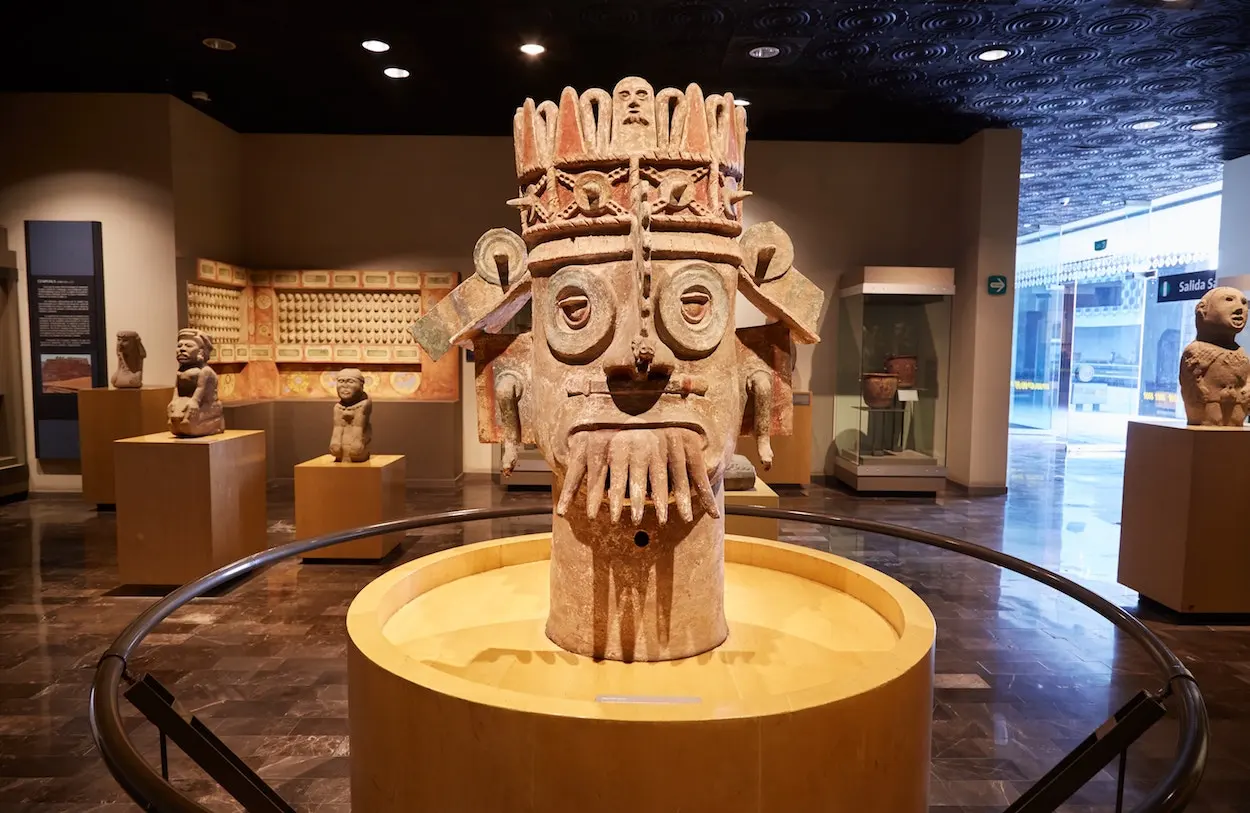
love4livi.com – The National Museum of Anthropology, located in Mexico City, is a world-renowned institution that houses an extensive collection of artifacts from Mexico’s pre-Columbian heritage. Known for its architectural grandeur and rich exhibits, the museum is a must-visit destination for anyone interested in understanding the cultural and historical evolution of Mexico.

The Museum’s Architecture

Designed by architect Pedro Ramírez Vázquez, the museum opened its doors in 1964. It is situated in Chapultepec Park, a prime location that adds to its allure. The building itself is a marvel of modernist architecture, featuring a large central courtyard dominated by an iconic umbrella-like structure known as “El Paraguas.”

Collections and Exhibits

Pre-Columbian Artifacts

The museum’s collection is vast, with artifacts dating back thousands of years. It includes significant pieces from the Aztec, Maya, Olmec, and other indigenous civilizations. Among the most famous exhibits is the Aztec Stone of the Sun, also known as the Aztec Calendar, which is a massive carved disk that has become a symbol of Mexican culture.

Ethnographic Displays

In addition to its archaeological treasures, the museum also features ethnographic exhibits that showcase the diverse cultures and traditions of contemporary indigenous peoples in Mexico. These displays highlight the living traditions and ongoing cultural practices of various indigenous communities.

Educational Programs and Research

The National Museum of Anthropology is not just a repository of ancient artifacts but also a center for education and research. It offers various educational programs, guided tours, and workshops aimed at engaging visitors of all ages. The museum’s research initiatives contribute significantly to the field of anthropology and archaeology.

Visitor Information

The museum is open to the public year-round, with special exhibitions and events held regularly. It is one of the most visited museums in Mexico, attracting millions of tourists and locals alike. Visitors are advised to check the official website for the latest information on opening hours and ticket prices.

Conclusion

The National Museum of Anthropology in Mexico City is a testament to the rich cultural heritage of Mexico. Its impressive collections, educational initiatives, and striking architecture make it a vital institution for both locals and international visitors. Whether you are a history buff or simply curious about the past, the museum offers a captivating journey through time and culture.