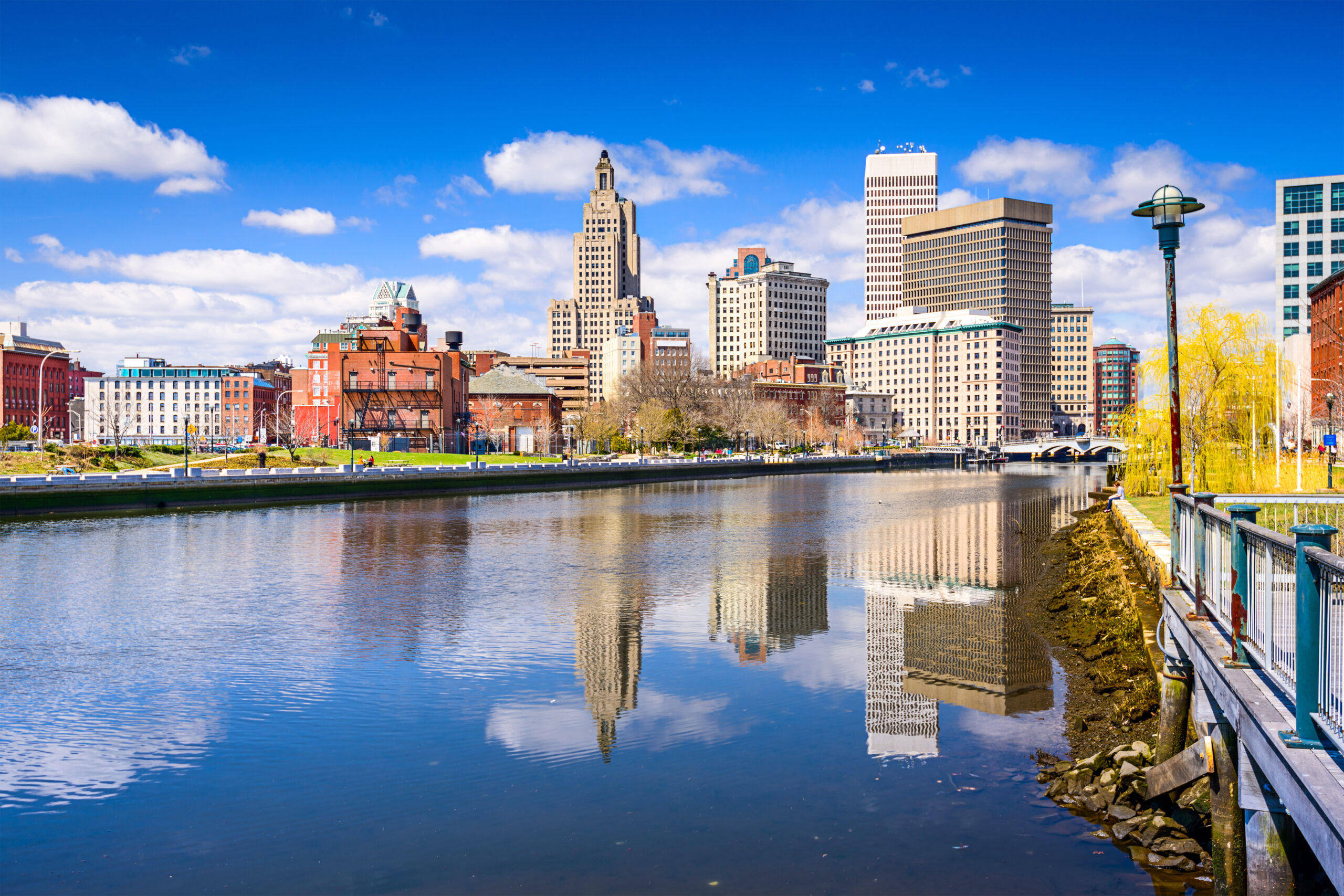
love4livi.com – Providence, the capital city of Rhode Island, is a charming urban destination that combines rich history, vibrant arts, and a dynamic waterfront. Known for its colonial past, its role in the American Industrial Revolution, and its modern cultural scene, Providence has something to offer every type of visitor. Whether you are walking along the scenic WaterFire installation, enjoying the culinary scene, or exploring the city’s many museums and theaters, Providence is a city that offers an inviting blend of old-world charm and contemporary appeal.
A City with Deep Historical Roots
Founded in 1636 by Roger Williams, Providence is one of the oldest cities in the United States. The city’s history is reflected in its well-preserved colonial architecture, historical landmarks, and museums. One of the key attractions for history enthusiasts is the John Brown House Museum, the former home of a prominent Providence merchant and slave trader, which offers a glimpse into the city’s early days. The Rhode Island State House, with its magnificent dome, is another iconic landmark and an architectural marvel. The city’s industrial past is also on display at the Museum of Work and Culture, which tells the story of Providence’s role in the Industrial Revolution.
Waterfront Beauty and Recreation
Providence is uniquely situated along the Woonasquatucket and Moshassuck Rivers, which converge at the city’s downtown waterfront. The city’s riverfront area offers picturesque views, walking paths, and opportunities for outdoor recreation. The highlight of Providence’s waterfront is the WaterFire installation, a breathtaking art display that takes place along the rivers, with over 80 bonfires lighting up the water while music fills the air. This spectacular event draws thousands of visitors to the city during the warmer months and has become one of Providence’s most popular cultural events.
A Thriving Arts and Cultural Scene
Providence is known for its vibrant arts and cultural scene, with a strong focus on local artists and performers. The city’s Arts District is home to numerous galleries, theaters, and cultural institutions, including the Rhode Island School of Design (RISD), one of the most prestigious art schools in the world. The RISD Museum is a must-see for art lovers, housing a vast collection of fine art, textiles, and decorative arts. The city is also home to the Trinity Repertory Company, a renowned regional theater company that offers a variety of plays and performances throughout the year. Providence’s annual PVDFest is a celebration of public art, music, dance, and culture, attracting artists from all over the world.
Providence’s Culinary Scene
Providence has earned a reputation as a foodie destination, with a diverse and dynamic culinary scene that reflects the city’s multicultural population. Federal Hill, the city’s Little Italy, is home to a wide range of Italian restaurants, markets, and bakeries, offering delicious pasta, seafood, and pastries. The city is also known for its creative and contemporary dining, with a growing number of farm-to-table restaurants and upscale eateries. Seafood lovers will appreciate Providence’s access to fresh local fish and shellfish, particularly at restaurants like The Capital Grille and Hemenway’s. In addition to fine dining, the city’s food trucks and casual eateries provide a variety of quick bites and global cuisine options.
Education and Innovation
Providence is an educational and intellectual hub, home to several renowned universities and institutions. The Rhode Island School of Design (RISD) is one of the top art and design schools in the world, drawing students and professionals from across the globe. Brown University, an Ivy League institution, is located just a short distance from the city center and contributes to the intellectual and cultural vibrancy of the region. Providence’s commitment to education and innovation is further seen in the growing tech and startup ecosystem, particularly in industries such as digital media, healthcare, and design. The city’s universities and incubators foster creativity and entrepreneurship, making Providence an exciting place for young professionals.
Diverse Neighborhoods and Community Life
Providence is a city of diverse neighborhoods, each with its own character and charm. The East Side of Providence is home to upscale neighborhoods, such as College Hill and Wayland Square, which offer beautiful historic homes, tree-lined streets, and a variety of independent shops and cafes. Federal Hill, the Italian-American district, is known for its rich cultural heritage, delicious food, and lively atmosphere. The Jewelry District, once home to the city’s jewelry manufacturing industry, is now an up-and-coming neighborhood with new residential developments and trendy restaurants. Each neighborhood offers a unique experience, and the city’s compact size makes it easy to explore on foot or by bike.
Sustainability and Green Spaces
Providence is also a city that places a strong emphasis on sustainability and environmental consciousness. The city has made strides in expanding green spaces and encouraging eco-friendly practices. Roger Williams Park, one of the largest urban parks in the United States, offers beautiful gardens, walking paths, a zoo, and a museum, making it a favorite destination for both residents and visitors. The city’s commitment to sustainability is reflected in initiatives like the Clean Water Act, which aims to improve the city’s waterways, and various green-building projects in new developments. Providence also has an extensive network of bike lanes and public transportation options, making it easy for residents to reduce their carbon footprint.
Conclusion
Providence, Rhode Island, is a city that beautifully blends its rich historical roots with a modern cultural and artistic landscape. From its colonial architecture and historical landmarks to its thriving arts scene and dynamic culinary offerings, Providence offers a wealth of experiences for visitors and residents alike. Whether you’re exploring the city’s waterfront, immersing yourself in its cultural festivals, or enjoying a meal at one of its top-rated restaurants, Providence is a city full of charm and opportunity. With its welcoming community, educational institutions, and commitment to sustainability, Providence is a hidden gem in New England that continues to evolve and inspire.