Providence, Rhode Island: A City of History, Arts

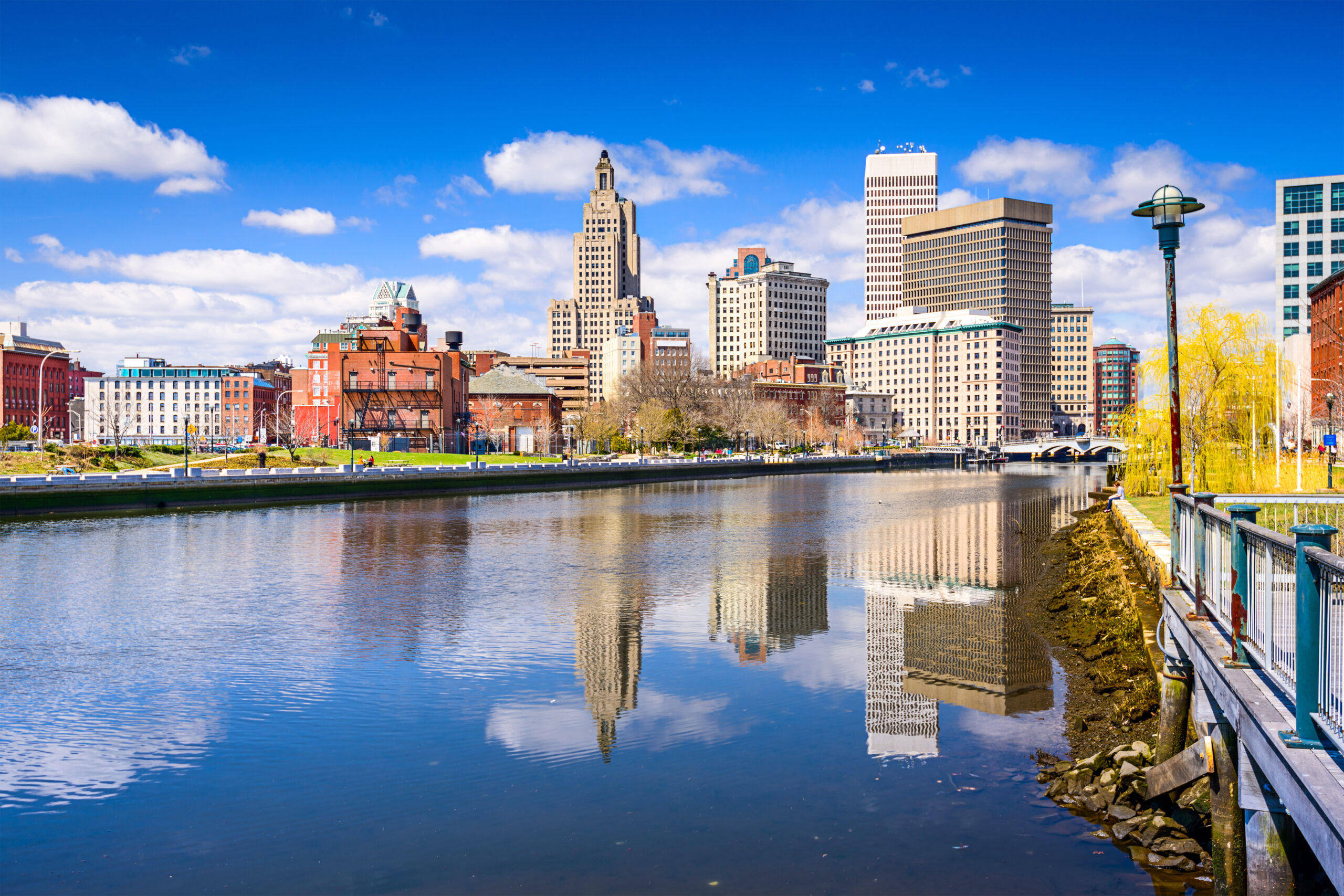
love4livi.com – Providence, the capital city of Rhode Island, is a charming urban destination that combines rich history, vibrant arts, and a dynamic waterfront. Known for its colonial past, its role in the American Industrial Revolution, and its modern cultural scene, Providence has something to offer every type of visitor. Whether you are walking along the scenic WaterFire installation, enjoying the culinary scene, or exploring the city’s many museums and theaters, Providence is a city that offers an inviting blend of old-world charm and contemporary appeal.

A City with Deep Historical Roots

Founded in 1636 by Roger Williams, Providence is one of the oldest cities in the United States. The city’s history is reflected in its well-preserved colonial architecture, historical landmarks, and museums. One of the key attractions for history enthusiasts is the John Brown House Museum, the former home of a prominent Providence merchant and slave trader, which offers a glimpse into the city’s early days. The Rhode Island State House, with its magnificent dome, is another iconic landmark and an architectural marvel. The city’s industrial past is also on display at the Museum of Work and Culture, which tells the story of Providence’s role in the Industrial Revolution.

Waterfront Beauty and Recreation

Providence is uniquely situated along the Woonasquatucket and Moshassuck Rivers, which converge at the city’s downtown waterfront. The city’s riverfront area offers picturesque views, walking paths, and opportunities for outdoor recreation. The highlight of Providence’s waterfront is the WaterFire installation, a breathtaking art display that takes place along the rivers, with over 80 bonfires lighting up the water while music fills the air. This spectacular event draws thousands of visitors to the city during the warmer months and has become one of Providence’s most popular cultural events.

A Thriving Arts and Cultural Scene

Providence is known for its vibrant arts and cultural scene, with a strong focus on local artists and performers. The city’s Arts District is home to numerous galleries, theaters, and cultural institutions, including the Rhode Island School of Design (RISD), one of the most prestigious art schools in the world. The RISD Museum is a must-see for art lovers, housing a vast collection of fine art, textiles, and decorative arts. The city is also home to the Trinity Repertory Company, a renowned regional theater company that offers a variety of plays and performances throughout the year. Providence’s annual PVDFest is a celebration of public art, music, dance, and culture, attracting artists from all over the world.

Providence’s Culinary Scene

Providence has earned a reputation as a foodie destination, with a diverse and dynamic culinary scene that reflects the city’s multicultural population. Federal Hill, the city’s Little Italy, is home to a wide range of Italian restaurants, markets, and bakeries, offering delicious pasta, seafood, and pastries. The city is also known for its creative and contemporary dining, with a growing number of farm-to-table restaurants and upscale eateries. Seafood lovers will appreciate Providence’s access to fresh local fish and shellfish, particularly at restaurants like The Capital Grille and Hemenway’s. In addition to fine dining, the city’s food trucks and casual eateries provide a variety of quick bites and global cuisine options.

Education and Innovation

Providence is an educational and intellectual hub, home to several renowned universities and institutions. The Rhode Island School of Design (RISD) is one of the top art and design schools in the world, drawing students and professionals from across the globe. Brown University, an Ivy League institution, is located just a short distance from the city center and contributes to the intellectual and cultural vibrancy of the region. Providence’s commitment to education and innovation is further seen in the growing tech and startup ecosystem, particularly in industries such as digital media, healthcare, and design. The city’s universities and incubators foster creativity and entrepreneurship, making Providence an exciting place for young professionals.

Diverse Neighborhoods and Community Life

Providence is a city of diverse neighborhoods, each with its own character and charm. The East Side of Providence is home to upscale neighborhoods, such as College Hill and Wayland Square, which offer beautiful historic homes, tree-lined streets, and a variety of independent shops and cafes. Federal Hill, the Italian-American district, is known for its rich cultural heritage, delicious food, and lively atmosphere. The Jewelry District, once home to the city’s jewelry manufacturing industry, is now an up-and-coming neighborhood with new residential developments and trendy restaurants. Each neighborhood offers a unique experience, and the city’s compact size makes it easy to explore on foot or by bike.

Sustainability and Green Spaces

Providence is also a city that places a strong emphasis on sustainability and environmental consciousness. The city has made strides in expanding green spaces and encouraging eco-friendly practices. Roger Williams Park, one of the largest urban parks in the United States, offers beautiful gardens, walking paths, a zoo, and a museum, making it a favorite destination for both residents and visitors. The city’s commitment to sustainability is reflected in initiatives like the Clean Water Act, which aims to improve the city’s waterways, and various green-building projects in new developments. Providence also has an extensive network of bike lanes and public transportation options, making it easy for residents to reduce their carbon footprint.

Conclusion

Providence, Rhode Island, is a city that beautifully blends its rich historical roots with a modern cultural and artistic landscape. From its colonial architecture and historical landmarks to its thriving arts scene and dynamic culinary offerings, Providence offers a wealth of experiences for visitors and residents alike. Whether you’re exploring the city’s waterfront, immersing yourself in its cultural festivals, or enjoying a meal at one of its top-rated restaurants, Providence is a city full of charm and opportunity. With its welcoming community, educational institutions, and commitment to sustainability, Providence is a hidden gem in New England that continues to evolve and inspire.
Gulab Jamun: A Sweet Symphony -A Rich History

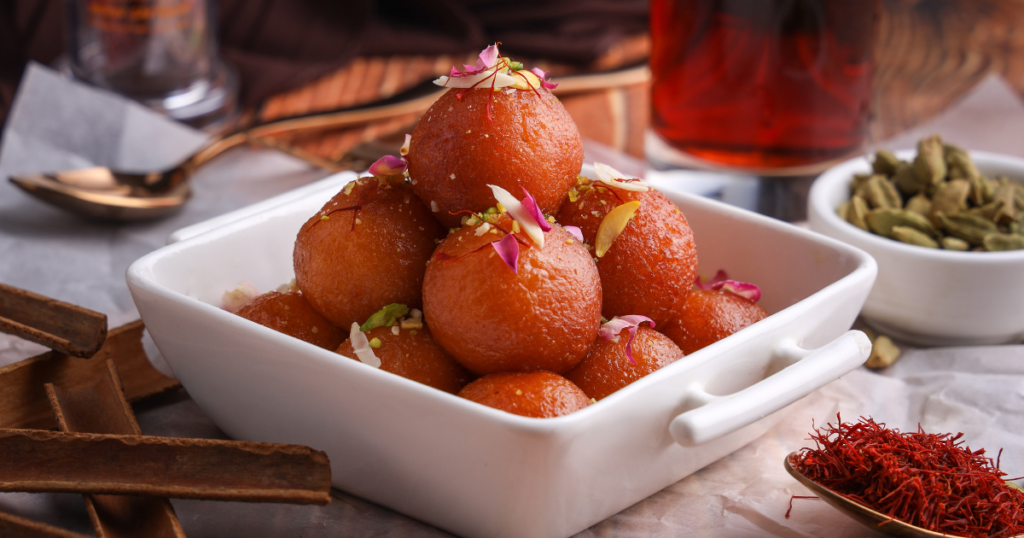
love4livi.com – Gulab Jamun, a beloved Indian dessert, is a decadent treat that has captured the hearts of sweet lovers worldwide. These deep-fried milk balls, soaked in a fragrant rose-flavored syrup, are a delightful combination of textures and flavors.

A Rich History

The origins of Gulab Jamun can be traced back to ancient India. It is believed to have evolved from a Persian dessert called luqmat al-qadi. Over time, the dessert adapted to Indian tastes and ingredients, resulting in the delicious Gulab Jamun we know today.

The Art of Making

Making Gulab Jamun is a delicate process that requires patience and skill. The milk solids are mixed with flour, cardamom powder, and a pinch of baking soda to form a dough. Small balls are then rolled out of the dough and deep-fried until golden brown.

The key to a perfect Gulab Jamun lies in the syrup. A sugar syrup, infused with rose water, cardamom, and saffron, is simmered until it reaches the desired consistency. The deep-fried milk balls are then soaked in this fragrant syrup, allowing them to absorb the sweet and aromatic flavors.

A Culinary Delight

Gulab Jamun is a versatile dessert that can be enjoyed on its own or paired with other sweets. It is often served at Indian festivals, weddings, and other special occasions. The soft, spongy texture of the milk balls, combined with the sweet and fragrant syrup, creates a truly indulgent experience.

A Modern Twist

While the traditional Gulab Jamun remains a classic, modern variations have emerged. Some chefs experiment with different flavors, such as chocolate or pistachio, while others play with the shape and size of the milk balls. However, the core essence of Gulab Jamun, its rich, sweet, and aromatic flavor, remains unchanged.

A Sweet Ending

Gulab Jamun is a timeless dessert that continues to delight people of all ages. Its simple yet elegant presentation, coupled with its irresistible taste, makes it a perfect ending to any meal. So, the next time you crave a sweet indulgence, treat yourself to a plate of warm Gulab Jamun and experience the magic of this Indian dessert.

Bragança: A Timeless Tapestry of History and Tradition

love4livi.com – Bragança, a city steeped in history and nestled in the heart of Portugal’s Trás-os-Montes region, offers a unique blend of medieval charm and natural beauty. With its imposing castle, cobbled streets, and stunning landscapes, Bragança is a hidden gem waiting to be discovered.  

A Glimpse into History

Bragança’s history stretches back to Roman times, when it was known as Juliobriga. The city’s strategic location and rich cultural heritage have made it a significant player throughout the centuries. During the Middle Ages, Bragança emerged as a powerful stronghold, and its imposing castle became a symbol of its strength and resilience.   

Exploring Bragança’s Historical Treasures

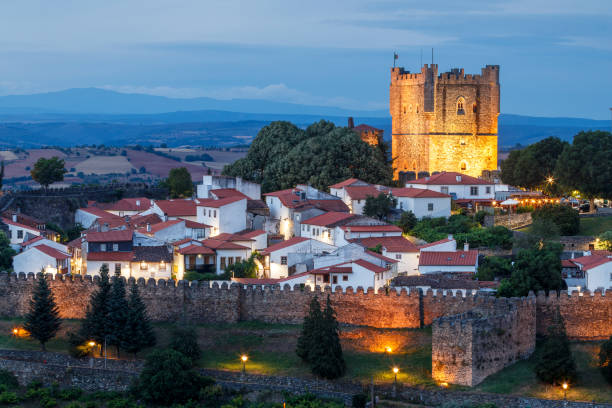
  • Bragança Castle: This majestic castle, dating back to the 12th century, dominates the city skyline. Its imposing walls and towers offer panoramic views of the surrounding countryside. 
  • Domus Municipalis: This Romanesque building, once the seat of municipal power, now houses a fascinating museum showcasing the city’s rich history.   
  • Cathedral of Bragança: This Gothic cathedral is a stunning example of religious architecture. Its intricate carvings and stained-glass windows are a testament to the skill of medieval artisans.
  • Igreja de São Vicente: This 12th-century church is known for its Romanesque cloister, which features beautiful carvings and a peaceful atmosphere.

The Natural Beauty of Trás-os-Montes

Bragança is surrounded by breathtaking natural beauty. The Montesinho Natural Park, a protected area known for its diverse flora and fauna, offers opportunities for hiking, birdwatching, and other outdoor activities. The region’s rolling hills, pristine rivers, and charming villages create a picturesque landscape that is perfect for a relaxing getaway.   

A Taste of Trás-os-Montes Cuisine

Trás-os-Montes cuisine is renowned for its hearty dishes and simple, fresh ingredients. Local specialties include chanfana de cabra (goat stew), cabrito assado no forno (roasted kid goat), and migas de milho (cornmeal crumbs). Pair your meal with a glass of vinho verde (green wine), a refreshing and light-bodied wine produced in the region.   

A Cultural Experience

Bragança hosts a variety of cultural events throughout the year, including music festivals, art exhibitions, and traditional fairs. The city’s annual festival, the Feira Franca, is a highlight of the cultural calendar, featuring colorful parades, traditional music, and delicious food.   

A Peaceful Retreat

Bragança offers a peaceful retreat from the hustle and bustle of city life. Its serene atmosphere, coupled with its rich history and cultural heritage, makes it an ideal place to unwind and recharge.

Bihor: A Tapestry of History and Nature – Historical Treasures

love4livi.com – Bihor, a county in western Romania, is a captivating blend of history, culture, and breathtaking natural beauty. With its medieval castles, picturesque villages, and stunning mountain landscapes, Bihor offers a diverse and unforgettable experience for visitors.

Historical Treasures

Bihor is home to several historical landmarks, including the majestic Oradea Fortress, a medieval citadel that has witnessed centuries of history. The fortress offers panoramic views of the city and is a popular destination for history buffs.

Another significant historical site is the Pădurea Craiului National Park, a vast expanse of pristine forests, crystal-clear lakes, and towering mountains. The park is home to a diverse range of wildlife, including bears, wolves, and deer.

Cultural Experiences

Bihor’s rich cultural heritage is evident in its traditional customs, music, and dance. The county is famous for its colorful folk costumes and lively folk festivals. Visitors can experience the authentic Romanian culture by attending traditional events and sampling local cuisine.

Natural Wonders

Bihor is blessed with stunning natural beauty. The Apuseni Mountains, a part of the Carpathian Mountains, offer breathtaking scenery, including deep valleys, majestic peaks, and crystal-clear rivers. The mountains are a paradise for hikers, climbers, and nature lovers.

The Crișul Repede River, one of the most beautiful rivers in Romania, flows through the county, offering opportunities for rafting, kayaking, and fishing. The river’s crystal-clear waters and stunning landscapes make it a popular destination for outdoor enthusiasts.

Urban Charm

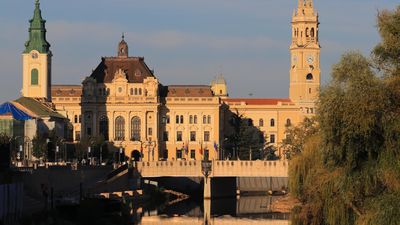
Oradea, the county’s capital, is a charming city with a unique blend of architectural styles. The city’s historic center is a UNESCO World Heritage Site, featuring beautiful Art Nouveau buildings, Baroque palaces, and Gothic churches.

A Memorable Journey

Bihor County invites visitors to explore its diverse landscapes, rich history, and vibrant culture. Whether you’re seeking adventure in the mountains, tranquility by the river, or a cultural immersion, Bihor has something to offer everyone.

Culture of Vanuatu: History, People, Women, and Beliefs

love4livi.com – Vanuatu, a beautiful archipelago in the South Pacific Ocean, is renowned for its rich and diverse culture that has evolved over centuries. This article explores the fascinating cultural landscape of Vanuatu, delving into its history, the lives of its people, the role of women, and the beliefs that shape this vibrant nation.

History

Vanuatu’s history is marked by its early settlement by the Austronesian people around 3,000 years ago. Over the centuries, the islands saw the arrival of traders, explorers, and missionaries from Europe, particularly during the 18th and 19th centuries. This led to significant cultural exchanges and transformations. In 1980, amidst a growing movement for independence, Vanuatu became a sovereign nation, proudly preserving its unique cultural heritage.

People

The people of Vanuatu, known as Ni-Vanuatu, are primarily of Melanesian descent. They are known for their strong sense of community and traditional lifestyles, which are deeply connected to their land and environment. There are over 100 indigenous languages spoken across the islands, reflecting the rich cultural diversity within the nation. Each island and village has its distinct customs and practices, contributing to Vanuatu’s multicultural tapestry.

Women

In Vanuatu, women play a vital role in both family and community life. Traditionally, they are responsible for maintaining the household, raising children, and participating in agricultural activities. In recent years, there has been a growing emphasis on empowering women through education and economic opportunities. Despite facing challenges such as gender inequality and limited access to resources, women in Vanuatu continue to make significant contributions to their society and are increasingly taking on leadership roles.

Beliefs

The belief systems in Vanuatu are a complex blend of traditional customs and Christianity. Many Ni-Vanuatu still adhere to kastom, a term referring to indigenous customs and traditional practices that are passed down through generations. These include rituals, dances, and ceremonies that are integral to community life. Christianity, introduced by missionaries in the 19th century, is also widely practiced, and many people have integrated Christian beliefs with their traditional customs.

Conclusion

The culture of Vanuatu is a vibrant mosaic of history, people, women, and beliefs that continue to thrive amidst modern influences. The resilience and adaptability of the Ni-Vanuatu have ensured the preservation of their cultural identity while embracing change. This unique blend of tradition and modernity makes Vanuatu a truly fascinating place to explore and understand.

Philippine Literature: A History and Anthology

love4livi.com – “Philippine Literature: A History and Anthology” by Bienvenido L. Lumbera is a seminal work that provides a detailed exploration of the rich tapestry of Philippine literature, spanning various periods and genres. This book is not only a historical account but also an anthology that includes a wide range of literary works, making it an invaluable resource for scholars, students, and enthusiasts alike.

Historical Context and Structure

The book is structured to cover the evolution of Philippine literature from its early oral traditions to the modern era, reflecting the cultural, social, and political influences that have shaped its development. It begins with the pre-colonial period, where oral traditions and indigenous forms of literature were prevalent. The narrative then transitions through the Spanish colonial era, the American period, and up to the contemporary times, highlighting the shifts in language, themes, and literary styles.

Contributions and Editions

The first edition of “Philippine Literature: A History and Anthology” was published in 1982, and it has since been revised and updated to reflect new scholarly insights and literary contributions. The most recent edition, published in 1997, includes a comprehensive bibliography and is available in both English and Tagalog, making it accessible to a broader audience.

Themes and Genres

The anthology covers a wide range of themes, including nationalism, colonialism, identity, and social issues. It includes various genres such as poetry, drama, and fiction, showcasing the diversity and depth of Philippine literary expression. Notable works from different periods are included, providing a glimpse into the evolution of themes and styles.

Impact and Legacy

“Philippine Literature: A History and Anthology” has been highly influential in the academic and literary circles, serving as a foundational text for understanding the complexities of Philippine literature. It has been used extensively in educational institutions and has contributed significantly to the study and appreciation of Philippine literature both within the country and internationally.

Conclusion

Bienvenido L. Lumbera’s “Philippine Literature: A History and Anthology” is a monumental work that not only documents the history of Philippine literature but also celebrates its richness and diversity. Through its comprehensive coverage and critical insights, the book continues to be a vital resource for anyone interested in the literary heritage of the Philippines.