
love4livi.com – The marae is at the heart of Māori culture, serving as the central place for gatherings, ceremonies, and community activities. It is more than just a physical space; the marae embodies Māori values, traditions, and social structures. The protocols and customs observed on the marae, known as marae protocol, play a vital role in preserving Māori identity, fostering community cohesion, and upholding cultural heritage. This article explores the significance of marae protocol, its history, the key customs involved, and its role in contemporary Māori society.
What is a Marae?
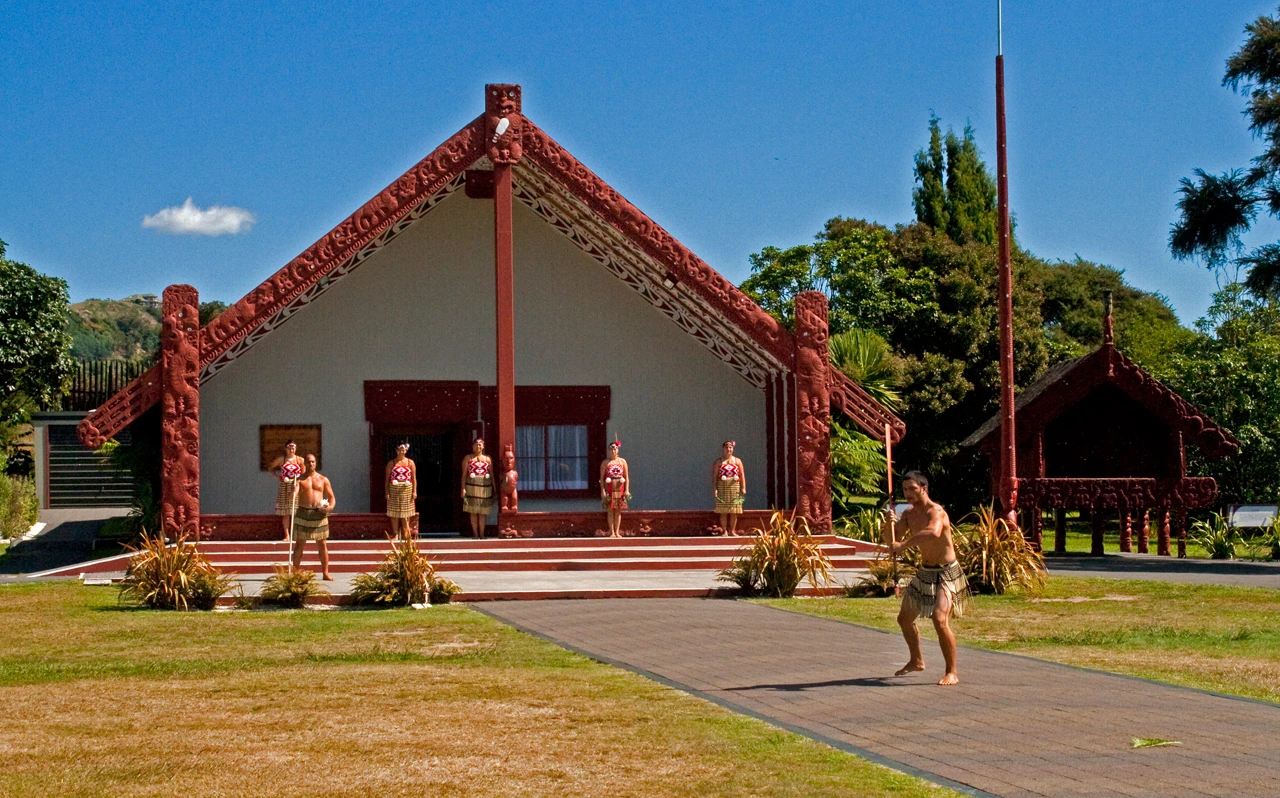
A marae is a Māori community space that consists of a wharenui (meeting house), wharekai (kitchen), and open grounds for outdoor activities. The wharenui is the spiritual and social center of the marae, representing the meeting place of ancestors. The building itself is often elaborately carved with images and motifs that depict tribal history, genealogies, and significant stories from Māori mythology.
The marae is a place where whānau (family), hapū (subtribe), iwi (tribe), and other groups come together to celebrate life events, such as births, weddings, and graduations, or to mourn the passing of loved ones. It is also a place for discussions, decisions, and addressing issues affecting the community, and for welcoming visitors, especially those from outside the local area.
The Importance of Marae Protocol
Marae protocol is a set of rules and customs that guide interactions and behavior on the marae. These protocols reflect Māori values such as respect, hospitality, and collective responsibility, and they are designed to foster an atmosphere of harmony, respect, and reciprocity. Adhering to marae protocol is a way to show respect for the tangata whenua (local people) and for the mana (prestige) of the marae itself.
The customs followed on the marae also honor Māori traditions and genealogies, reinforcing the links between the present and the ancestral past. Following the proper protocol helps maintain the spiritual significance of the marae, as it is seen as a sacred space that connects people with their ancestors and the spiritual world.
Key Aspects of Marae Protocol
Marae protocol involves a variety of customs, some of which may differ between iwi or regions, but the core values remain consistent. Below are some of the most important aspects of marae protocol:
1. The Powhiri (Welcoming Ceremony)
A powhiri is the traditional Māori ceremony used to welcome visitors onto the marae. The ceremony is designed to establish a connection between the tangata whenua (hosts) and the manuhiri (guests) and to ensure the safety of visitors by acknowledging and respecting spiritual forces.
The powhiri typically begins with a call to the visitors to approach the marae, often through the sound of a conch shell (putorino) or a ceremonial chant. Upon arrival, the visitors are greeted by a haka or a group chant performed by the tangata whenua. The visitors, in turn, respond with their own chant or greeting, often called a koha (gift), which can be symbolic or material.
The ceremony may include a speech or prayer from both sides, and it ends with the formal invitation for guests to enter the wharenui. The process is meant to foster unity, mutual respect, and understanding.
2. The Role of the Wharenui (Meeting House)
The wharenui is the central space on the marae, and it is where many important gatherings take place. The protocols surrounding the wharenui reflect its spiritual significance. Before entering the wharenui, visitors must remove their shoes as a sign of respect for the sacredness of the space. The host is responsible for guiding visitors to the wharenui and explaining the key elements of its structure, including the carvings, which represent the tribe’s ancestors.
Inside the wharenui, guests are typically seated in a designated place based on their status or role in the ceremony. The hierarchy of seating and placement reflects the Māori social structure, with elders and leaders sitting at the front, followed by other members of the community.
3. The Use of Waiata (Songs) and Karakia (Prayers)
Waiata and karakia are integral to marae protocol and are used throughout various ceremonies. Waiata, traditional Māori songs, are performed to convey emotions, tell stories, or mark an important event, such as a wedding or funeral. In the context of the powhiri, the singing of waiata helps set the tone for the ceremony, creating a sense of unity and togetherness.
Karakia are prayers or blessings, often recited at the beginning or end of a gathering, and are meant to invoke spiritual protection and guidance. They are deeply important as they connect the participants with the spiritual realm and ensure the success of the ceremony.
4. The Importance of Manaakitanga (Hospitality)
Manaakitanga refers to the Māori concept of hospitality, kindness, and generosity. On the marae, it is essential for the tangata whenua to ensure that their guests are well cared for and treated with respect. This includes providing food, shelter, and warmth, and attending to the needs of visitors. The concept of manaakitanga is central to the spirit of the marae, as it encourages the hosts to create an environment where all are treated equally and with dignity.
The preparation and sharing of food, particularly in the wharekai (kitchen/dining hall), are a key part of marae hospitality. A communal meal is often shared following formal proceedings, where both the hosts and guests partake in food offerings, reinforcing the values of connection and community.
5. The Koha (Gift)
A koha is a traditional Māori gift, often given by the manuhiri (visitors) to the tangata whenua (hosts) as a symbol of respect and appreciation. It can be in the form of money, food, or other gifts, and is an important gesture of reciprocity. The koha represents a commitment to the relationship between the hosts and guests and acknowledges the effort made by the tangata whenua in hosting the event.
6. The Role of Elders and Leaders
In Māori society, elders (kaumātua) and leaders (rangatira) play a key role in the rituals and decision-making processes that take place on the marae. Their wisdom and knowledge of the traditions are highly valued, and they often take the lead in ceremonies and discussions. In many instances, it is the kaumātua who will speak on behalf of the iwi, delivering important speeches, offering prayers, and ensuring that all cultural protocols are followed.
The Marae in Contemporary Māori Society
In modern New Zealand, the marae continues to serve as a cultural and spiritual hub for Māori communities. It remains a place for social gatherings, ceremonies, and educational events, and it has become a site for the revitalization of Māori language and customs. As Māori identity and culture have become more visible in New Zealand society, the marae has played an increasingly important role in promoting cultural pride and unity.
In addition to its traditional functions, the marae is also being used to address contemporary issues, including Māori land rights, social justice, and Treaty of Waitangi claims. Through the marae, Māori communities engage in discussions about their future and the ongoing struggles to preserve their cultural heritage and rights.
Conclusion
The marae is far more than a physical space; it is a living testament to the values, history, and identity of the Māori people. Marae protocol provides a framework for maintaining respect, unity, and connection within the community. By adhering to these traditions, Māori ensure that their culture remains vibrant and relevant, fostering a deep sense of belonging and cultural pride. Whether for ceremonies, family gatherings, or discussions of important issues, the marae will continue to serve as the heart of Māori communities, preserving both the past and the future of this rich and diverse culture.