
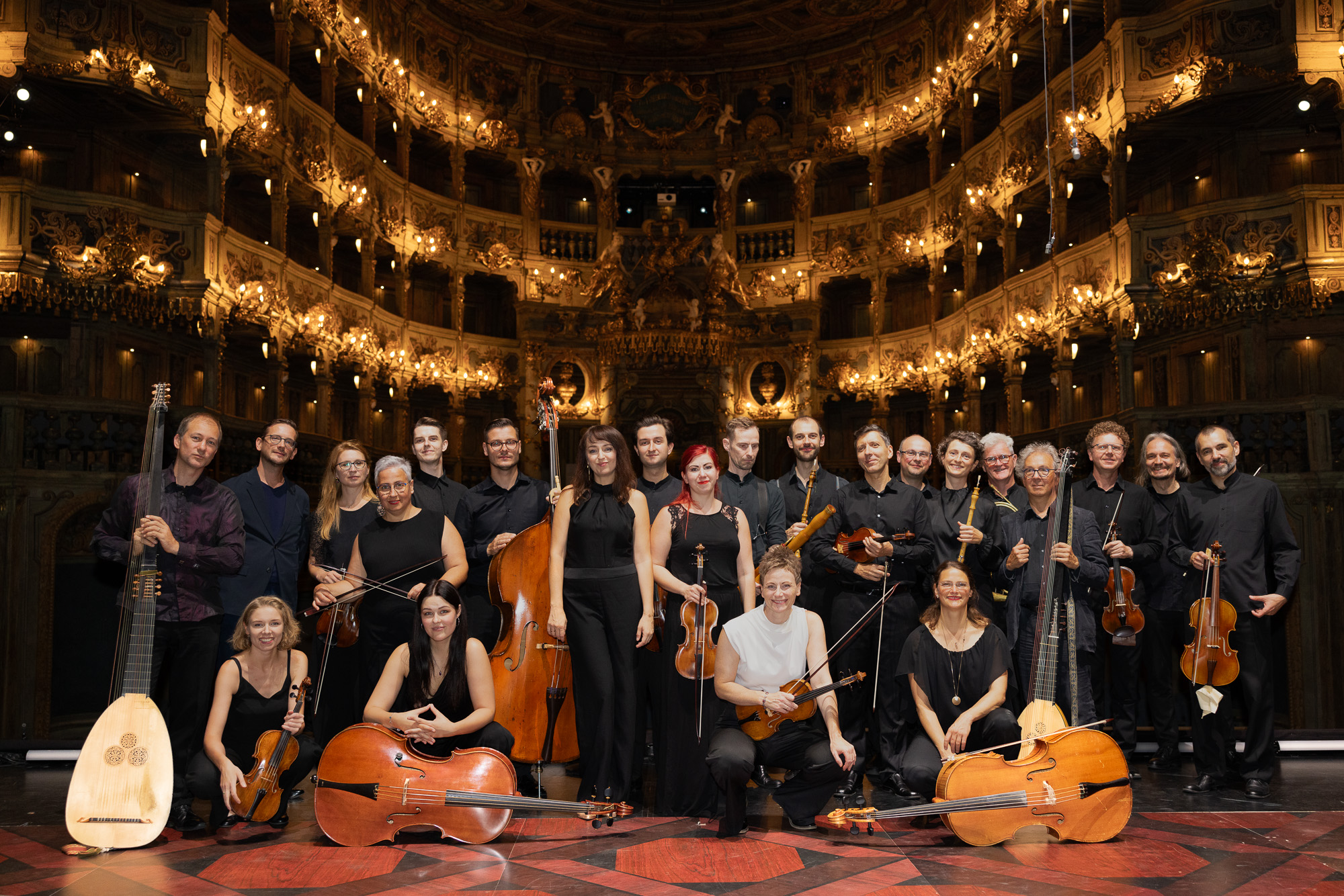
Warsaw Autumn: A Tapestry of Contemporary Music

love4livi.com – The Warsaw Autumn International Festival of Contemporary Music is a prestigious annual event held in Warsaw, Poland. It is one of the oldest and most renowned festivals of contemporary classical music in the world. The festival showcases the latest trends and innovations in contemporary music, attracting both established and emerging composers and performers from around the globe.

A Legacy of Innovation

Founded in 1956, Warsaw Autumn has played a crucial role in shaping the landscape of contemporary music. The festival was initially conceived as a platform to introduce Polish composers to the international music scene. However, it quickly evolved into a major international event, attracting composers and performers from various countries.

Over the years, Warsaw Autumn has championed a wide range of musical styles, from avant-garde and experimental to neo-Romantic and minimalist. The festival has been a breeding ground for groundbreaking works and has hosted world premieres of compositions by renowned composers such as Krzysztof Penderecki, Witold Lutosławski, and Henryk Mikołaj Górecki.

A Diverse Program

The Warsaw Autumn Festival offers a diverse program that caters to a wide range of musical tastes. The festival features a variety of concert formats, including orchestral, chamber, electroacoustic, and multimedia performances.

The festival’s program typically includes:

  • World premieres: New works by both established and emerging composers.
  • Retrospectives: Dedicated to the works of significant composers.
  • Thematic concerts: Exploring specific musical trends or styles.
  • Collaborations: Between musicians from different backgrounds and cultures.

A Hub for International Music Community

Warsaw Autumn has become a meeting point for the international music community. The festival attracts a diverse audience, including composers, performers, music critics, and enthusiasts. It provides a unique opportunity to network, exchange ideas, and explore the latest developments in contemporary music.

The festival also organizes workshops, masterclasses, and discussions, fostering a vibrant and intellectually stimulating environment.

A Cultural and Artistic Experience

Beyond its musical offerings, Warsaw Autumn is a cultural and artistic experience. The festival takes place in various iconic venues across Warsaw, including the National Philharmonic, the Polish Radio Symphony Orchestra Concert Studio, and the Royal Castle.

The city’s rich history and vibrant cultural scene provide a perfect backdrop for the festival. Visitors can explore Warsaw’s historical sites, indulge in its culinary delights, and experience its vibrant nightlife.

Conclusion

The Warsaw Autumn International Festival of Contemporary Music is a testament to the enduring power of music to inspire, challenge, and transform. It continues to be a vital platform for contemporary music, pushing the boundaries of artistic expression and shaping the future of musical innovation.
The Cultural Impact of Baby Boomers: Music, Art, & Media

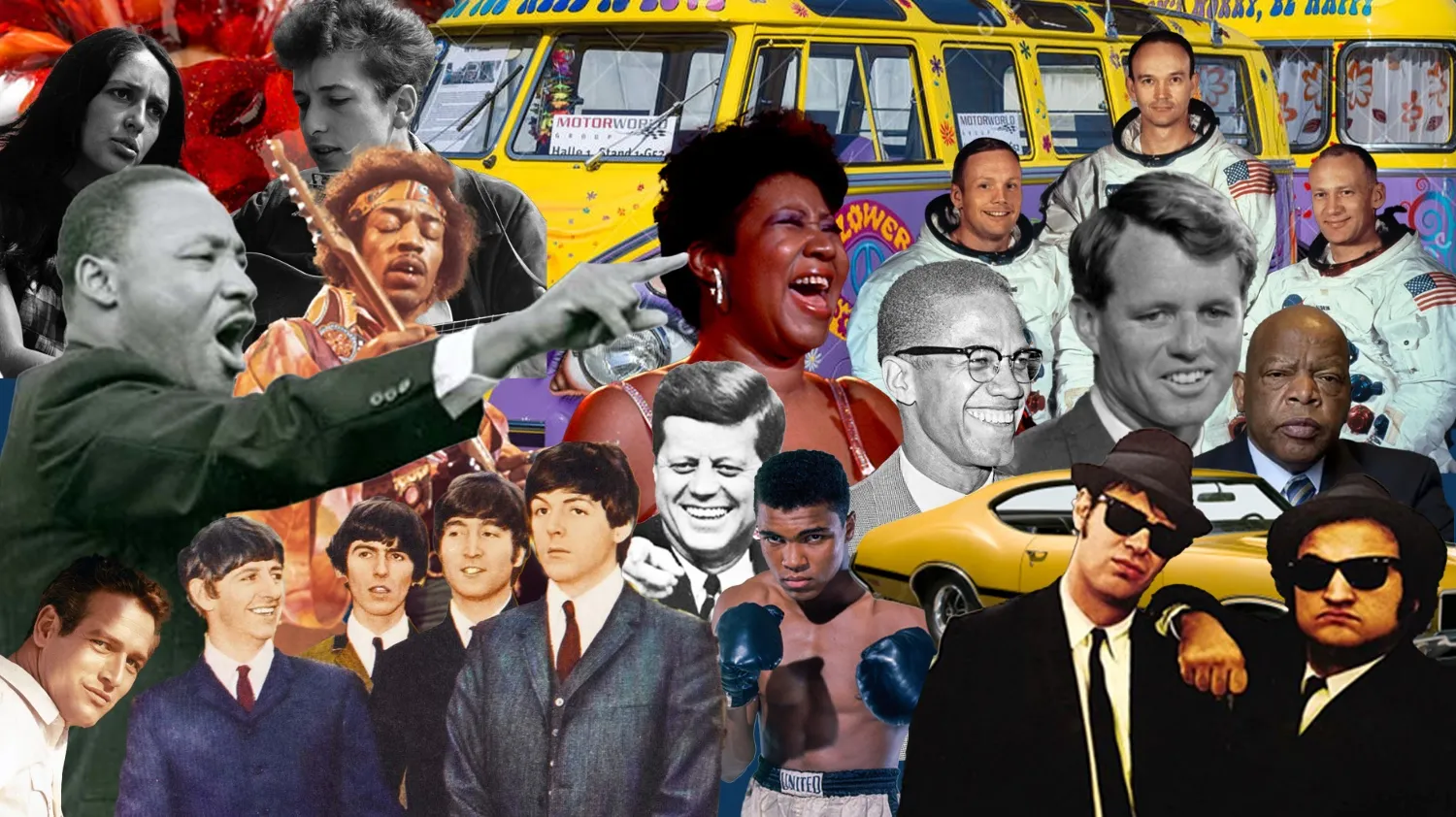
love4livi.com – The Baby Boomer generation, born between 1946 and 1964, has left an indelible mark on various aspects of culture, particularly in music, art, and media. As this generation grew up during a time of significant social and political change, their influence has been profound and far-reaching. This article explores how Baby Boomers have shaped and transformed these cultural domains.

Music: From Rock ‘n’ Roll to Social Commentary

Baby Boomers were instrumental in the rise of rock ‘n’ roll, a genre that revolutionized the music industry and became a defining feature of their youth. Artists like Elvis Presley, The Beatles, and The Rolling Stones not only captured the spirit of rebellion and freedom but also set new standards for musical innovation. As the Boomers aged, their taste in music evolved, embracing genres such as folk, protest music, and eventually, classic rock.

This generation’s music often reflected the social issues of the time, including civil rights, the Vietnam War, and environmental concerns. Iconic musicians like Bob Dylan and Joan Baez used their platforms to address these themes, blending art with activism. The legacy of Baby Boomer music is still evident today, influencing countless artists across various genres.

Art: Breaking Boundaries and Embracing Diversity

The art world experienced a significant transformation during the Baby Boomer era. This generation witnessed the rise of movements such as Pop Art, spearheaded by figures like Andy Warhol and Roy Lichtenstein. By challenging traditional notions of art and incorporating elements of popular culture, these artists redefined what art could be.

Furthermore, Baby Boomers contributed to the diversification of the art scene, advocating for greater representation of marginalized voices. The feminist art movement, for example, gained momentum as artists like Judy Chicago and Ana Mendieta explored themes of gender and identity. This push for inclusivity and diversity in art has continued to resonate, fostering a more inclusive cultural landscape.

Media: The Evolution of Entertainment and Information

The Baby Boomer generation witnessed the golden age of television, which became a primary source of entertainment and information. Shows like “I Love Lucy,” “The Twilight Zone,” and “The Ed Sullivan Show” not only entertained millions but also reflected and shaped societal norms and values.

As technology advanced, Boomers adapted to new forms of media, from cable television to the internet. They were among the first to embrace the digital age, influencing the development of online content and digital media platforms. Their impact on media is also evident in the way news is consumed; the emphasis on 24-hour news cycles and the rise of opinion-driven journalism are, in part, a result of the Baby Boomers’ appetite for constant information.

Conclusion

The cultural impact of Baby Boomers is a testament to their ability to adapt, innovate, and influence. Their contributions to music, art, and media have not only defined their generation but have also paved the way for future cultural evolution. As this generation continues to age, their legacy remains a vital part of the cultural fabric, inspiring new generations to explore and expand the boundaries of creativity and expression.

The Unmatched Vocal Range of Ariana Grande

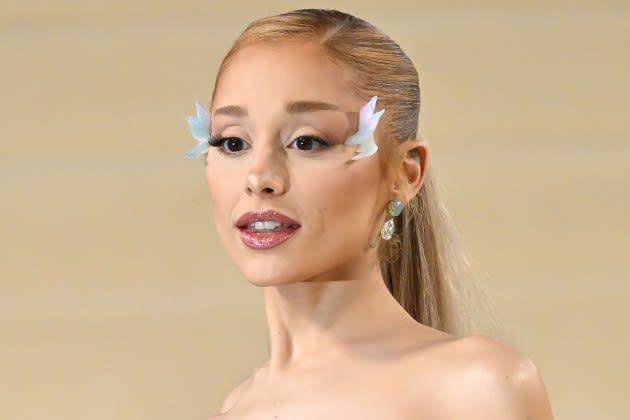
love4livi.com – Ariana Grande, a name synonymous with powerhouse vocals and pop sensation, has captivated audiences worldwide with her incredible vocal range and unique sound. From her early days as a Nickelodeon star to her status as a Grammy-winning artist, Ariana’s voice has been her most defining asset. In this article, we explore what makes her vocal range so exceptional and how it has contributed to her success in the music industry.

A Vocal Phenomenon

Ariana Grande’s vocal range spans four octaves, a rarity in the pop music world. This range allows her to effortlessly transition between various musical styles and genres, from pop and R&B to soul and even Broadway. Her ability to hit high notes with precision and clarity has drawn comparisons to legendary vocalists like Mariah Carey and Whitney Houston.

Technical Mastery

Beyond her wide range, Ariana’s technical vocal skills are remarkable. She possesses a strong command of vocal techniques such as melisma, vibrato, and breath control, which she uses to enhance her performances. Her agility in executing complex vocal runs and her ability to convey emotion through her voice are testaments to her rigorous training and natural talent.

Signature Sound

Ariana’s voice is instantly recognizable, characterized by its light, airy quality and impressive range. Her ability to belt powerful notes and seamlessly switch to a whisper-soft falsetto has become a signature element of her music. This versatility allows her to experiment with different sounds and collaborate with artists across various genres, keeping her music fresh and innovative.

Impact on Pop Music

Ariana Grande’s vocal prowess has set a new standard in the pop music industry. Her influence is evident in the way contemporary artists approach vocal performance, with many aspiring to achieve her level of skill and versatility. Her success has also paved the way for other artists with strong vocal abilities to gain recognition in the mainstream music scene.

Conclusion

Ariana Grande’s unmatched vocal range is a cornerstone of her success and continues to captivate audiences around the globe. Her technical skill, emotional expression, and unique sound have solidified her place as one of the most talented vocalists of her generation. As she continues to evolve as an artist, there’s no doubt that Ariana’s voice will remain a powerful force in the world of music.

From Folk to Pop to Indie: The Australian Music Scene

love4livi.com – The Australian music scene is a vibrant and diverse landscape that has evolved significantly over the decades. From the early folk and bush ballads to the pop and rock explosion of the 1960s and 1970s, and the indie and alternative movements of the 1980s and 1990s, Australian musicians have consistently pushed boundaries and captured the world’s attention.

The Folk Tradition

Early Folk and Bush Ballads

The roots of Australian music can be traced back to the folk and bush ballads of the 19th century. These songs, often passed down orally, reflected the life of the Australian bush and the experiences of the working class. Iconic figures like Henry Lawson and Banjo Paterson captured the spirit of the times with their lyrics, celebrating the rugged individualism and resilience of the Australian character.

The Pop and Rock Era

The 1960s and 1970s: A Golden Age

The 1960s and 1970s were a golden age for Australian pop and rock music. Bands like The Easybeats, The Bee Gees, and AC/DC broke into the international scene, while local legends like John Farnham, Olivia Newton-John, and Kylie Minogue became household names. The emergence of pub rock in the 1970s, spearheaded by bands like Cold Chisel and Midnight Oil, further cemented Australia’s reputation as a powerhouse of rock music.

The Indie and Alternative Scene

The 1980s and 1990s: A New Wave

The 1980s and 1990s saw the rise of indie and alternative music in Australia. Bands like The Church, Crowded House, and The Go-Betweens gained international acclaim, while the grunge and punk movements inspired a new generation of musicians. The indie scene continued to flourish, with artists like Nick Cave, Tame Impala, and Courtney Barnett achieving critical and commercial success.

Contemporary Australian Music

Today’s Diverse Scene

Today, the Australian music scene is more diverse than ever. From the electronic and dance music of Flume and Rufus Du Sol to the hip-hop and R&B of The Kid Laroi and Sampa the Great, Australian artists are making waves across multiple genres. The country’s music festivals, such as Splendour in the Grass and Falls Festival, showcase this diversity and contribute to the vibrant music culture.

The Impact of Australian Music

Global Influence and Recognition

Australian music has had a significant impact on the global music scene. Australian artists have won numerous international awards, including Grammys and Brits, and have influenced music trends worldwide. The country’s music education and industry support, provided by institutions like the Australian Music Industry Network (AMIN) and the Australian Recording Industry Association (ARIA), ensure that the next generation of musicians is well-equipped to continue this legacy.

Conclusion

The Australian music scene is a testament to the country’s rich cultural heritage and its ability to innovate and adapt. From the traditional folk songs to the cutting-edge electronic beats, Australian music reflects the nation’s spirit of adventure, creativity, and resilience. As the music industry continues to evolve, the world will undoubtedly continue to listen to the unique sounds coming from Down Under.