
The Impact of Glasses on Daily Life: Framing Your World

love4livi.com – Glasses are more than just tools for vision correction; they significantly impact our daily lives, influencing how we see the world and how the world sees us. This article explores the multifaceted role of glasses in enhancing daily life and their broader societal effects.

Enhancing Vision and Comfort

The most immediate and vital impact of glasses is the improvement they bring to vision. For those with refractive errors, glasses transform blurry, indistinct images into sharp and clear visuals, enhancing everything from reading and driving to appreciating art and nature. This clarity reduces eye strain and improves overall comfort, allowing individuals to engage more fully in daily activities.

Boosting Confidence and Self-Expression

Glasses can also be a powerful tool for self-expression and confidence. The right pair of frames can enhance facial features, complement personal style, and serve as a fashion statement. Many people find that wearing glasses boosts their confidence, making them feel more poised and self-assured in social and professional settings.

Influencing Social Perceptions

Glasses often carry connotations of intelligence, professionalism, and sophistication. They can influence how others perceive us, often positively affecting interactions in workplaces and academic environments. However, they can also carry stereotypes that may impact social dynamics, highlighting the complex role glasses play in societal perceptions.

Supporting Eye Health

Beyond vision correction, glasses play a crucial role in protecting eye health. Sunglasses shield eyes from harmful UV rays, reducing the risk of conditions like cataracts and macular degeneration. Specialized lenses, such as blue light filters, protect against digital eye strain, a growing concern in our technology-driven world.

Adapting to Technological Advances

With the advent of smart glasses and augmented reality, eyewear is at the forefront of technological innovation. These advancements are expanding the role of glasses from vision correction to interactive and immersive experiences, further integrating them into daily life.

Conclusion

Glasses are a vital part of daily life, offering more than just visual clarity. They enhance comfort, boost confidence, influence social interactions, and protect eye health. As technology continues to evolve, the impact of glasses on our lives will only grow, further cementing their place as indispensable tools in framing our world.
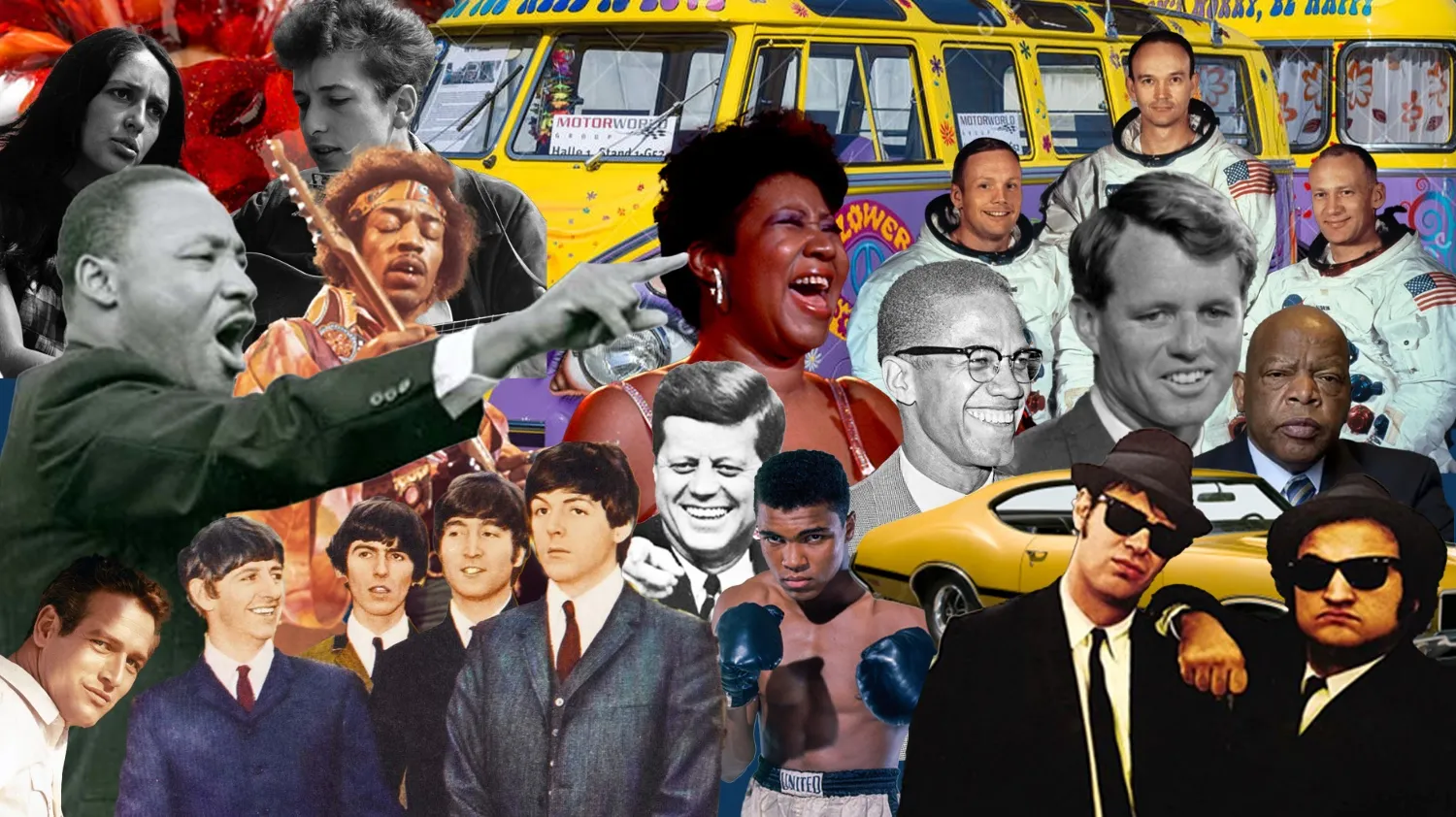

The Cultural Impact of Baby Boomers: Music, Art, & Media

love4livi.com – The Baby Boomer generation, born between 1946 and 1964, has left an indelible mark on various aspects of culture, particularly in music, art, and media. As this generation grew up during a time of significant social and political change, their influence has been profound and far-reaching. This article explores how Baby Boomers have shaped and transformed these cultural domains.

Music: From Rock ‘n’ Roll to Social Commentary

Baby Boomers were instrumental in the rise of rock ‘n’ roll, a genre that revolutionized the music industry and became a defining feature of their youth. Artists like Elvis Presley, The Beatles, and The Rolling Stones not only captured the spirit of rebellion and freedom but also set new standards for musical innovation. As the Boomers aged, their taste in music evolved, embracing genres such as folk, protest music, and eventually, classic rock.

This generation’s music often reflected the social issues of the time, including civil rights, the Vietnam War, and environmental concerns. Iconic musicians like Bob Dylan and Joan Baez used their platforms to address these themes, blending art with activism. The legacy of Baby Boomer music is still evident today, influencing countless artists across various genres.

Art: Breaking Boundaries and Embracing Diversity

The art world experienced a significant transformation during the Baby Boomer era. This generation witnessed the rise of movements such as Pop Art, spearheaded by figures like Andy Warhol and Roy Lichtenstein. By challenging traditional notions of art and incorporating elements of popular culture, these artists redefined what art could be.

Furthermore, Baby Boomers contributed to the diversification of the art scene, advocating for greater representation of marginalized voices. The feminist art movement, for example, gained momentum as artists like Judy Chicago and Ana Mendieta explored themes of gender and identity. This push for inclusivity and diversity in art has continued to resonate, fostering a more inclusive cultural landscape.

Media: The Evolution of Entertainment and Information

The Baby Boomer generation witnessed the golden age of television, which became a primary source of entertainment and information. Shows like “I Love Lucy,” “The Twilight Zone,” and “The Ed Sullivan Show” not only entertained millions but also reflected and shaped societal norms and values.

As technology advanced, Boomers adapted to new forms of media, from cable television to the internet. They were among the first to embrace the digital age, influencing the development of online content and digital media platforms. Their impact on media is also evident in the way news is consumed; the emphasis on 24-hour news cycles and the rise of opinion-driven journalism are, in part, a result of the Baby Boomers’ appetite for constant information.

Conclusion

The cultural impact of Baby Boomers is a testament to their ability to adapt, innovate, and influence. Their contributions to music, art, and media have not only defined their generation but have also paved the way for future cultural evolution. As this generation continues to age, their legacy remains a vital part of the cultural fabric, inspiring new generations to explore and expand the boundaries of creativity and expression.

The Unmatched Vocal Range of Ariana Grande

love4livi.com – Ariana Grande, a name synonymous with powerhouse vocals and pop sensation, has captivated audiences worldwide with her incredible vocal range and unique sound. From her early days as a Nickelodeon star to her status as a Grammy-winning artist, Ariana’s voice has been her most defining asset. In this article, we explore what makes her vocal range so exceptional and how it has contributed to her success in the music industry.

A Vocal Phenomenon

Ariana Grande’s vocal range spans four octaves, a rarity in the pop music world. This range allows her to effortlessly transition between various musical styles and genres, from pop and R&B to soul and even Broadway. Her ability to hit high notes with precision and clarity has drawn comparisons to legendary vocalists like Mariah Carey and Whitney Houston.

Technical Mastery

Beyond her wide range, Ariana’s technical vocal skills are remarkable. She possesses a strong command of vocal techniques such as melisma, vibrato, and breath control, which she uses to enhance her performances. Her agility in executing complex vocal runs and her ability to convey emotion through her voice are testaments to her rigorous training and natural talent.

Signature Sound

Ariana’s voice is instantly recognizable, characterized by its light, airy quality and impressive range. Her ability to belt powerful notes and seamlessly switch to a whisper-soft falsetto has become a signature element of her music. This versatility allows her to experiment with different sounds and collaborate with artists across various genres, keeping her music fresh and innovative.

Impact on Pop Music

Ariana Grande’s vocal prowess has set a new standard in the pop music industry. Her influence is evident in the way contemporary artists approach vocal performance, with many aspiring to achieve her level of skill and versatility. Her success has also paved the way for other artists with strong vocal abilities to gain recognition in the mainstream music scene.

Conclusion

Ariana Grande’s unmatched vocal range is a cornerstone of her success and continues to captivate audiences around the globe. Her technical skill, emotional expression, and unique sound have solidified her place as one of the most talented vocalists of her generation. As she continues to evolve as an artist, there’s no doubt that Ariana’s voice will remain a powerful force in the world of music.

The Impact of European Contact on Easter Island

love4livi.com – Easter Island, known as Rapa Nui, is a remote island in the southeastern Pacific Ocean, famous for its monumental stone statues called moai. The island’s history is marked by significant changes following the arrival of Europeans in 1722. This article explores the demographic, cultural, and ecological impacts of European contact on Easter Island.

First European Contact

The first recorded European contact with Easter Island occurred on April 5, 1722, when Dutch navigator Jacob Roggeveen landed on the island. Roggeveen’s visit was brief, lasting only a week, but it marked the beginning of a series of interactions that would profoundly affect the indigenous Rapanui people and their society.

Demographic and Cultural Collapse

The arrival of Europeans had devastating consequences for the Rapanui population. European contact brought with it newly introduced diseases, such as smallpox, which the Rapanui had no immunity against. These diseases led to a significant demographic collapse, drastically reducing the island’s population. Additionally, the introduction of European diseases and the subsequent social upheaval led to a cultural collapse, as traditional practices and knowledge were disrupted and lost over time.

Continued Resilience Before European Contact

Contrary to earlier beliefs, recent research suggests that Easter Island society did not collapse prior to European contact. The Rapanui people continued to build their iconic moai statues for much longer than previously thought, indicating a level of resilience and continuity in their culture and society.

Ecological Impact

The ecological impact of European contact on Easter Island was also significant. While the island had already experienced some degree of deforestation and ecological stress prior to European arrival, the introduction of new species and the intensification of resource exploitation by Europeans exacerbated these issues. The ecological changes further contributed to the challenges faced by the Rapanui people.

Conclusion

The impact of European contact on Easter Island was multifaceted and profound. It led to a demographic and cultural collapse, primarily due to the introduction of diseases and social upheaval. However, it is important to note that the Rapanui society showed resilience and continuity in their cultural practices before the arrival of Europeans. The ecological changes brought about by European contact further compounded the challenges faced by the indigenous population. Understanding these impacts provides a more nuanced view of Easter Island’s history and the complex interactions between indigenous societies and European explorers.